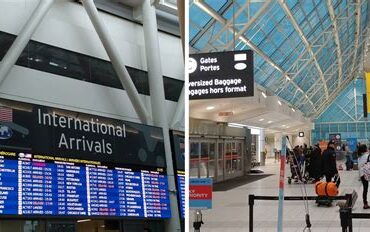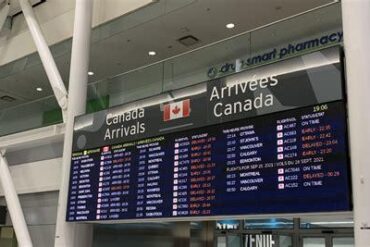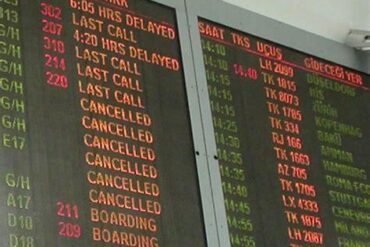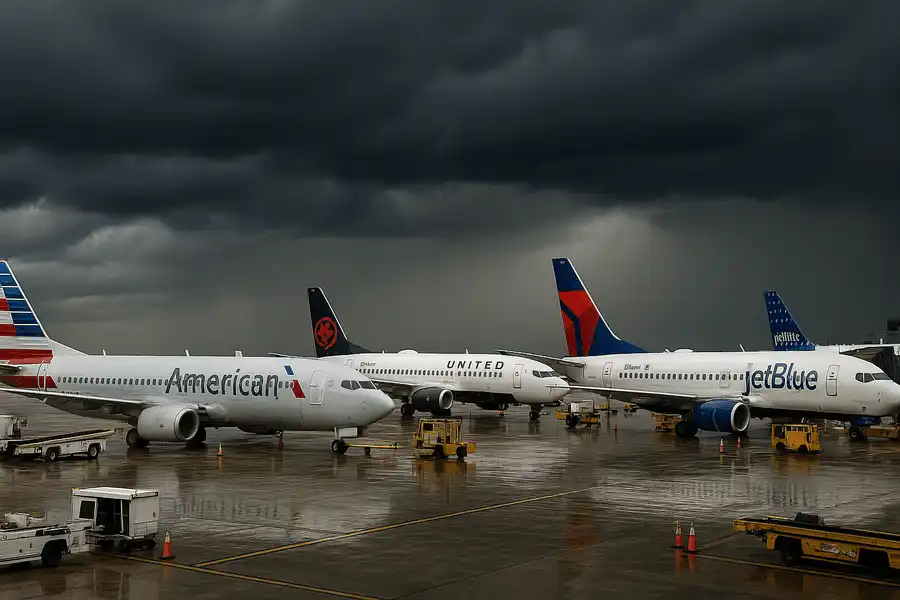
Canada’s aviation infrastructure was dealt a severe blow on Monday, July 14, 2025, as over 1,200 delays and cancellations plagued major airports across the nation. From Toronto Pearson International Airport (YYZ) to Vancouver International Airport (YVR) and Montreal-Pierre Elliott Trudeau International Airport (YUL), passengers found themselves stranded or rerouted amid fierce weather patterns. The nation’s leading carriers—Air Canada, WestJet, and Jazz Airlines—struggled to maintain schedules as thunderstorms, rain, fog, and reduced visibility disrupted both domestic and international travel.
Toronto Pearson Leads the Crisis with Over 390 Disruptions
At Toronto Pearson, the country’s busiest airport, chaos unfolded early in the day. 342 delays and 50 cancellations were logged, primarily caused by severe thunderstorms and torrential downpours. Aircraft were forced into extended holding patterns, while inbound flights were rerouted to alternative airports. Ground operations slowed dramatically due to waterlogged tarmacs and limited visibility, resulting in cascading delays across the airspace.
Jazz Airlines was the hardest hit at Pearson, reporting 26 cancellations and 46 delays, while Air Canada posted 112 delays and 7 cancellations, affecting both long-haul and regional routes. Cathay Pacific, Delta, and Endeavor Air also suffered notable setbacks as the weather’s reach extended to global carriers.
Montreal’s Visibility Crisis Disrupts 251 Flights
Montreal’s Pierre Elliott Trudeau International Airport experienced its own weather-related disruptions, with 183 delays and 68 cancellations. Although the rain was lighter, persistent cloud cover and deteriorated visibility impaired both takeoffs and landings, especially for flights relying on visual approaches. The airport’s ground handling capacity also faced challenges as delays accumulated.
Jazz, again, was disproportionately affected, reporting 32 cancellations and 27 delays, followed by Air Canada with 68 delays and 12 cancellations. Porter Airlines and Air Canada Rouge added to the tally, with ripple effects seen across East Coast connections.
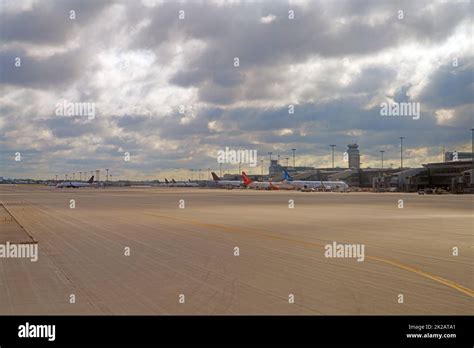
Vancouver Struggles With Dense Fog and International Delays
On the west coast, Vancouver International Airport (YVR) tallied 164 delays and 10 cancellations, caused by dense coastal fog and persistent drizzle. The fog particularly impacted international carriers, who were forced to delay departures or circle in holding patterns due to low-visibility runway approaches.
Air Canada, WestJet Encore, and Cathay Pacific all logged multiple delays and cancellations, while Alaska Airlines, Air India, and China Airlines were among those affected with 100% cancellation rates on scheduled services. Ground traffic moved at a crawl, making connections precarious and pushing some outbound flights beyond their departure windows.
Weather’s Chain Reaction Spreads to Calgary, Edmonton, Ottawa, and More
Although not all airports experienced severe local weather, the national flight grid suffered a domino effect, with disruptions echoing through Calgary (YYC), Edmonton (YEG), Ottawa (YOW), Halifax (YHZ), Quebec City (YQB), Winnipeg (YWG), and even St. John’s (YYT).
In Calgary, 161 delays and a single cancellation were recorded. Heavy winds and soaking rains slowed departure procedures. Air Canada and Flair Airlines bore much of the brunt, and delays forced rebooking on limited routes.
Edmonton faced 42 delays and 2 cancellations, despite clear skies locally. Most delays stemmed from inbound aircraft originating from the east coast and Toronto, demonstrating how tightly interconnected the national airspace is.
Ottawa, under cloud cover and steady rain, logged 63 delays and 9 cancellations. Airlines such as Republic, Jazz, and Porter reported disrupted schedules as aircraft and crews failed to arrive on time.
Airline Breakdown: Who Was Hit Hardest?
Nationwide, Jazz Airlines emerged as one of the most impacted carriers, logging dozens of cancellations across major airports. Their reliance on short-haul and regional routes made them especially vulnerable to domino delays. Air Canada, while better resourced, still absorbed over 250 delays and dozens of cancellations across its mainline and Rouge subsidiaries.
WestJet and WestJet Encore struggled primarily in Western Canada, with notable impacts in Vancouver, Calgary, and Winnipeg, where weather conditions disrupted both their regional and national routes.
Foreign carriers were not immune. Delta Air Lines, Cathay Pacific, Swiss, and Air India all experienced measurable delays or outright cancellations at major hubs, underscoring the international scope of the disruption.
Halifax, Quebec City, and Winnipeg Face Mounting Delays
Halifax Stanfield International Airport recorded 36 delays and 4 cancellations, driven by light rain, patchy fog, and intermittent gusts of wind. Aircraft movements slowed significantly, with Porter Airlines and WestJet experiencing prolonged turnaround times.
In Quebec City, 36 delays and 8 cancellations were logged, driven largely by low-hanging clouds and mist. Smaller operators like Pascan Aviation and PAL Airlines struggled to maintain schedule integrity.
Winnipeg reported 33 delays and 2 cancellations, mostly related to weather disruptions in origin cities such as Vancouver and Toronto. WestJet and Air Canada flights ran hours behind schedule, frustrating passengers caught in the cascading schedule failures.

St. John’s and Fredericton Weather Patterns Add to the National Gridlock
On the Atlantic edge, St. John’s International Airport recorded 8 delays and 2 cancellations, stemming from localized snowfall and thick fog. While minor in number, these disruptions compounded problems for connecting travelers from smaller markets.
Greater Fredericton International Airport faced 6 delays with no cancellations. Cloud cover and rain reduced visibility, affecting morning departures. Though the numbers seem modest, any delay in such small airports leads to disproportionate disruption.
Flight Totals: A National Picture of Weather-Induced Mayhem
As of press time, the combined total from across Canada stood at:
- 1,074 flight delays
- 154 cancellations
These figures underscore the magnitude of the crisis, spanning over a dozen airports and dozens of carriers. It was not merely a Toronto or Vancouver issue, but a nationwide systemic breakdown triggered by hostile weather conditions and limited operational elasticity.

What Travelers Need to Know Right Now
Airports and airlines are urging passengers to take the following actions:
- Monitor flight status online or via the airline’s app before heading to the airport
- Prepare for rebookings and extended layovers
- Expect limited food and accommodation vouchers, especially for weather-related delays
- Pack essentials like medications, chargers, and snacks in carry-on bags
Passengers are advised to remain flexible and patient as weather patterns continue to shift across regions. Airport authorities are coordinating with airlines to recover schedules, but full operational normalization could take up to 48 hours depending on weather stabilization and aircraft repositioning.
Conclusion: Weather as a Stress Test on Canadian Aviation
This mid-July disruption serves as a stark reminder of the fragility of Canada’s air travel network in the face of widespread weather volatility. While airline crews and ground teams are working around the clock, the system’s interdependency has amplified the impact. For passengers, the day turned into a logistical nightmare; for carriers, a costly exercise in damage control.
As the country heads into the heart of summer travel season, this disruption is expected to prompt greater scrutiny of contingency planning, resource allocation, and passenger communication protocols within Canadian aviation.
The weather may be unpredictable, but resilience in operations and transparency to passengers must become non-negotiables for airlines going forward.