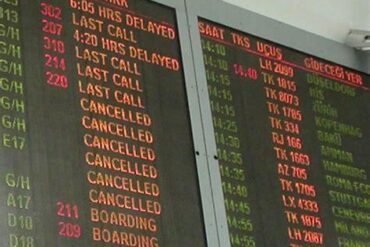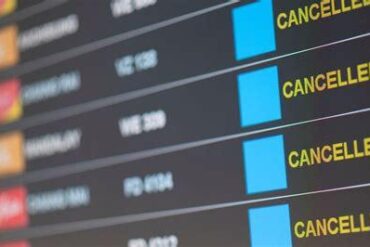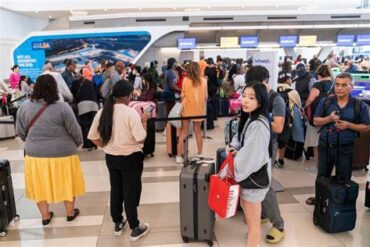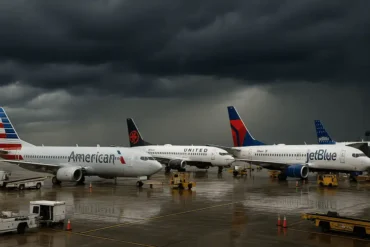
The United States aviation sector was rocked on June 25, 2025, as over 1,400 flights were delayed or canceled due to a relentless wave of severe weather sweeping across major transport hubs. The widespread disruptions struck with little warning, crippling schedules at Chicago O’Hare (ORD), Dallas-Fort Worth (DFW), San Francisco (SFO), New York JFK, Philadelphia (PHL), and San Diego (SAN). This critical summer travel period collapse has strained airline operations from coast to coast, bringing chaos to terminals and stranding thousands of passengers both domestically and internationally.
Chicago O’Hare Suffers the Most Severe Impact
As a critical node in the national and international air network, Chicago O’Hare International Airport bore the brunt of the storm’s wrath. A staggering 530 flights were delayed and 16 canceled at ORD alone. Major carriers like United Airlines, American Airlines, and SkyWest found themselves battling operational meltdowns. SkyWest recorded 112 delays, United saw 100 delays and 4 cancellations, and American Airlines added 84 delays to the growing total.
Smaller regional carriers such as Republic, GoJet, PSA Airlines, and Envoy Air were not spared, with delay rates soaring beyond 20%. International giants like British Airways, Qatar Airways, Turkish Airlines, Air India, and Emirates also encountered significant slowdowns. ORD’s role as a connecting hub meant that its collapse had ripple effects throughout the entire network, derailing itineraries far beyond Chicago.
Dallas-Fort Worth Buckles Under Weather Pressure
Down south at Dallas-Fort Worth International Airport, the weather-induced operational chaos continued. DFW recorded 367 delays and 5 cancellations. The largest blow was suffered by American Airlines, which posted 227 delayed flights, though notably avoiding any outright cancellations. This minor success did little to contain the passenger overflow, with SkyWest, PSA Airlines, and Air Canada also seeing high disruption levels.
International long-haul operations into and out of DFW faced additional turbulence. Carriers such as Qantas, VivaAerobus, Emirates, Etihad, and Fiji Airways reported delays or had to reshuffle schedules entirely. DFW’s congested airspace created system-wide congestion, affecting surrounding airports in Texas and creating bottlenecks for rebooking options.
San Francisco Flights Snarled Amid West Coast Chaos
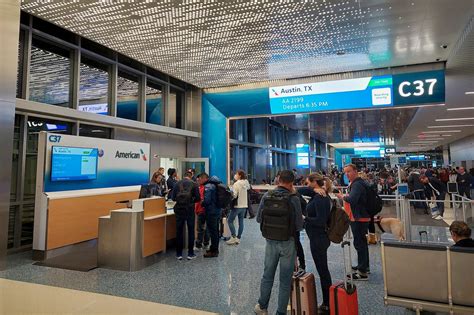
The West Coast’s principal gateway, San Francisco International Airport, saw 122 delays and 7 cancellations. United Airlines, headquartered nearby, led the disruption tally with 44 delays and 6 canceled flights. Other domestic carriers, including Delta, Alaska Airlines, and JetBlue, also faced cascading delays.
The international schedule suffered as Air India, Emirates, Air France, Swiss, and Air New Zealand reeled from the storm’s timing. As departure and arrival gates became clogged, connections were missed en masse, and ground operations struggled to absorb the passenger volume.
New York JFK Sees Global Ripple Effects
John F. Kennedy International Airport, a cornerstone for transatlantic and global travel, was hit with 146 delays and 4 cancellations. JetBlue, Delta, and American Airlines dominated the delay chart, but the impact reverberated far wider.
Among the global airlines affected were Lufthansa, Qatar Airways, Japan Airlines, Etihad, and Singapore Airlines, all facing significant schedule interruptions. Cargo operations did not escape unscathed either—Nippon Cargo and Sata Internacional saw key flights grounded or rescheduled, adding a logistical dimension to the disruption.
Philadelphia Hit by Regional Bottlenecks
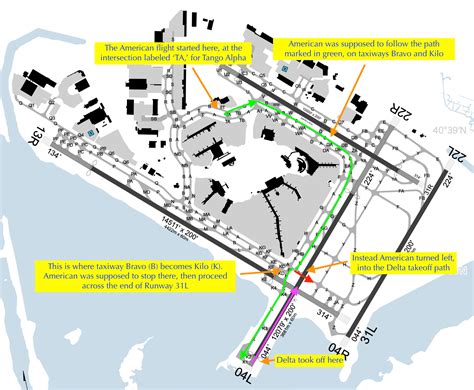
At Philadelphia International Airport, 127 delays and 3 cancellations added another chapter to the national disruption. American Airlines and its regional affiliates such as PSA Airlines and Piedmont bore the brunt. PSA Airlines alone suffered 16 delays and 2 cancellations, while Piedmont saw 28 delayed flights, exacerbating problems for mid-Atlantic travelers.
Though not as globally connected as JFK or ORD, PHL still reported issues for Air Canada, which had a 100% delay rate on its limited PHL schedule. The ripple effect made Philadelphia terminals swell with frustrated passengers and compounded issues with flight connectivity.
San Diego Airport Suffers Disproportionate Delays
On the Pacific front, San Diego International Airport logged 95 delays and 6 cancellations. Southwest Airlines, long a key player in SAN, accounted for 44 delays and 4 cancellations, while Alaska Airlines contributed 13 delays and 2 canceled flights.
International players like Lufthansa, Japan Airlines, and WestJet struggled with schedule integrity, while smaller airlines such as Breeze Airways and Hawaiian Airlines added to the mix of stranded and rescheduled flights. Despite its smaller footprint, SAN’s delay density left a significant dent in West Coast travel fluidity.
Over 60 Airlines Affected Nationwide
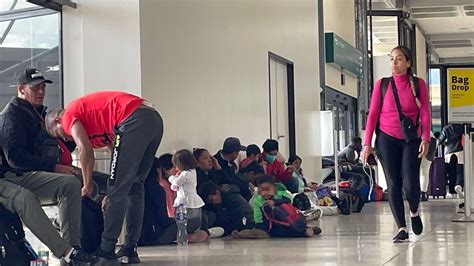
This massive disruption wasn’t limited to just a few names. More than 60 airlines, from domestic regionals to intercontinental behemoths, saw schedules collapse. This included household names like:
- American Airlines
- Delta Air Lines
- United Airlines
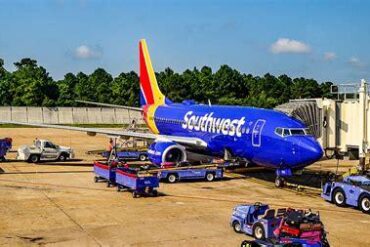
- Southwest Airlines
- Alaska Airlines
- JetBlue Airways
- Spirit Airlines
- Frontier Airlines
- Hawaiian Airlines
- Air Canada
- British Airways, Turkish Airlines, Japan Airlines, Qatar Airways, and Etihad Airways
Even smaller regional affiliates like GoJet, Republic Airways, Envoy Air, and Contour Airlines experienced significant bottlenecks.
Breakdown of Disruptions by Airport
- Chicago O’Hare (ORD): 530 delays, 16 cancellations
- Dallas-Fort Worth (DFW): 367 delays, 5 cancellations
- San Francisco (SFO): 122 delays, 7 cancellations
- New York JFK: 146 delays, 4 cancellations
- Philadelphia (PHL): 127 delays, 3 cancellations
- San Diego (SAN): 95 delays, 6 cancellations
- Total Nationwide: 1,387 delays, 41 cancellations, 1,428 total disrupted flights
Implications for Summer Travel Season
This episode marks one of the most severe single-day air travel disruptions in recent years. Coming at the start of peak summer travel, it sends a sobering signal about how fragile air logistics have become in the face of increasingly unpredictable weather patterns.
With climate change driving more frequent and intense storms, the U.S. aviation system is now in a constant state of contingency planning. Airlines are encouraging passengers to:
- Sign up for real-time flight alerts
- Check the weather at departure and destination cities
- Arrive early to navigate rebooking lines and screening delays
These delays underscore a harsh reality: even well-prepared carriers with robust contingency protocols can be swiftly overwhelmed. Passengers should now expect weather-induced travel turbulence to be the rule rather than the exception.
Conclusion: A Fragile Summer of Uncertainty
As airlines scramble to regain control over disrupted operations and rebook thousands of stranded passengers, the larger issue lingers: how can the U.S. air system adapt to a future of routine, climate-driven chaos?
The storm may have passed, but its ripple effects—missed connections, lost revenue, passenger dissatisfaction, and workforce exhaustion—will be felt for days. With the Fourth of July travel rush just around the corner, recovery will be a race against time. For travelers, flexibility and vigilance are now essential companions to every boarding pass.