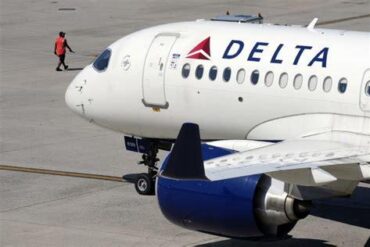
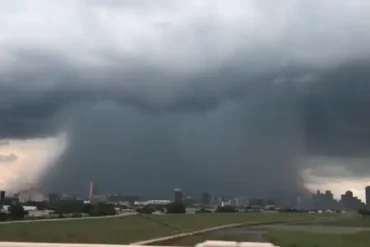
Airports across the United States descended into disarray on Thursday, June 19, 2025, as over 1,300 flights were delayed or canceled due to severe and fast-moving weather systems. Major air traffic hubs from Washington, D.C. to New York, Chicago, and Boston experienced sweeping operational disruptions that snarled schedules, stranded travelers, and overwhelmed airline networks already stretched thin during the peak summer travel season.
The storm systems, which brought thunderstorms, low visibility, and heavy rain, created a domino effect that impacted more than 50 airlines, including heavyweights like American Airlines, Delta Air Lines, United Airlines, Southwest, JetBlue, and Air Canada. These effects rippled across Reagan National Airport, JFK, Chicago O’Hare, Boston Logan, Philadelphia International, and Baltimore/Washington International, triggering ground stops, reroutes, and flight crew displacements.
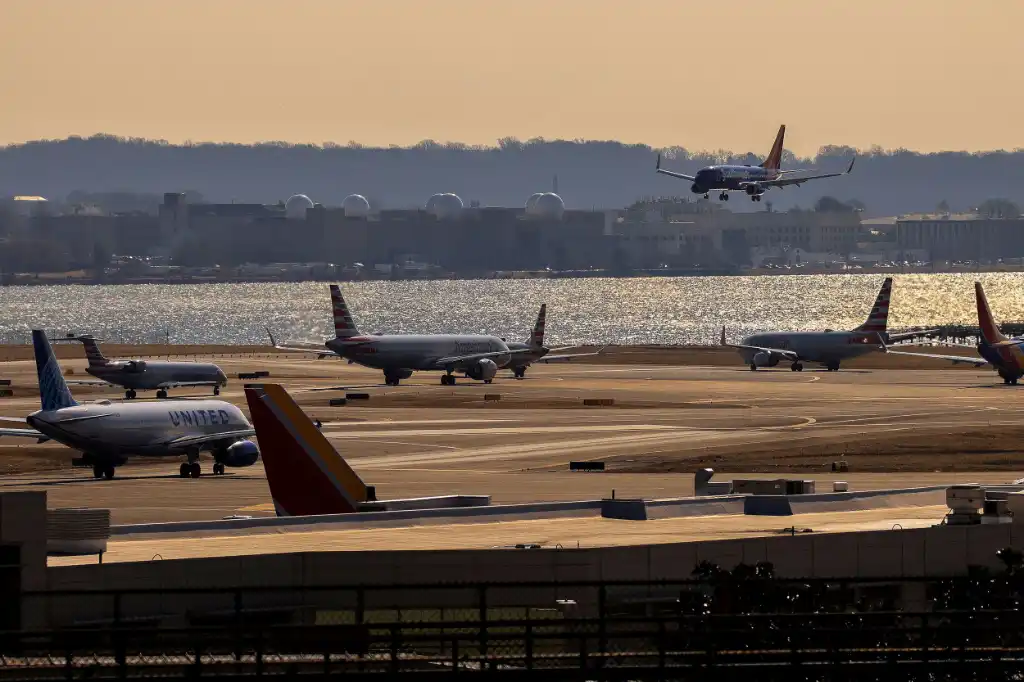
Reagan National Paralyzed by Sudden DC Thunderstorms
At Reagan National Airport (DCA), the weather front struck hard and fast, unleashing lightning storms that led to 178 flight delays and 69 cancellations. The intensity of the storm led to a halt in departures as airspace around Washington, D.C. became congested with grounded or rerouted flights.
PSA Airlines, a regional affiliate for American, endured the brunt of the cancellations with 19 flights scrapped and 31 delayed. American Airlines, dominant at DCA, saw 10 flights canceled and 32 delayed, while Southwest registered 8 cancellations and 28 delays. The ground hold triggered ripple delays for Republic Airways, Envoy Air, JetBlue, and United Airlines, all of which scrambled to recover displaced aircraft and flight crews.
Philadelphia Airport Gridlocks Under Thunderstorm Pressure
Further north, Philadelphia International Airport (PHL) faced 54 cancellations and 84 delays, primarily due to prolonged thunderstorms and reduced visibility. American Airlines, again at the epicenter, canceled 20 flights and delayed another 25. Regional partner Republic Airways was forced to cancel 8 flights.
Smaller carriers like Mesa Airlines, Piedmont, and PSA Airlines experienced mounting issues as limited gates and weather-triggered airspace restrictions prevented rapid turnover. The delays persisted well into the evening as some aircraft remained grounded for hours due to incoming storm waves.
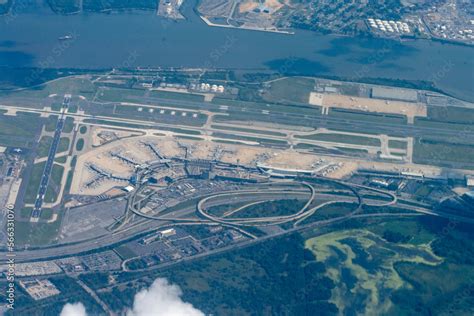
Boston Logan Blanketed by Fog and Mist
While the Mid-Atlantic grappled with lightning and downpours, Boston Logan International Airport (BOS) suffered a different weather-induced fate: dense mist and low cloud cover. The resulting 42 cancellations and 127 delays proved just as disruptive. Regional airline Cape Air was severely impacted, canceling 12 flights and delaying 23, primarily affecting inter-New England routes.
JetBlue, Delta, and American Airlines encountered numerous hold-ups, while inbound international flights from British Airways, Qatar Airways, and Air France were delayed or diverted temporarily. Several widebody aircraft were forced into airborne holding patterns or landed at alternate locations while crews waited for clearance.
Baltimore/Washington Swamped by Heavy Rain
In Baltimore, Baltimore/Washington International Thurgood Marshall Airport (BWI) saw 30 flights canceled and 86 delayed, largely due to Southwest Airlines’ network buckling under heavy rainfall and operational stress. All 30 cancellations at BWI were from Southwest, along with 57 of the delays, underscoring how centralized operations can spiral under pressure.
Despite more modest schedules, Delta, Frontier, Envoy Air, and American were not spared, each experiencing moderate delays. Crowded gates and waterlogged runways further exacerbated the slowdowns, leaving many passengers with no choice but to wait or rebook via alternate hubs.
Chicago O’Hare Struggles with Surging Storm Front
The impact at Chicago O’Hare International Airport (ORD) was among the most dramatic of the day. A brutal weather front that moved through the Midwest triggered 509 delays and 74 cancellations, with nearly every major airline affected.
American Airlines alone registered 24 cancellations and 38 delays, while United Airlines, the largest carrier at ORD, posted 5 cancellations and 40 delays. Regional affiliate Envoy Air delayed 30 flights and canceled 2, while Republic, SkyWest, and GoJet were entangled in the storm’s widespread chaos.
International giants including Air India, KLM, British Airways, and All Nippon Airways faced significant hold-ups, some aircraft idling for hours either on the tarmac or while circling overhead. Runway gridlock combined with thunderstorm cell movement made on-time operations nearly impossible.
JFK Faces Massive Global Disruptions
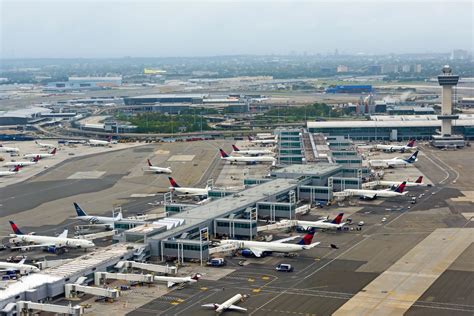
The East Coast’s largest international gateway, John F. Kennedy International Airport (JFK), reported 55 cancellations and 181 delays, mostly due to storm systems hovering along the Atlantic coast. Republic Airways, JetBlue, American, and Delta all experienced delays across domestic and short-haul international routes.
The worst impact, however, was reserved for international carriers. Flights operated by Etihad, Qatar Airways, Japan Airlines, Air India, and Saudia were all delayed, many of them long-haul services facing timing constraints and aircraft rest limitations. Midday, terminal gate access was maxed out, forcing several inbound aircraft to hold or divert.
Widespread Systemic Disruption Across the U.S.
In total, 906 flights were disrupted nationwide with 699 delayed and 207 canceled. This day’s chaos is part of a broader pattern of escalating weather-related flight disruptions, with over 5,000 flights impacted in just four severe events in June and July alone.
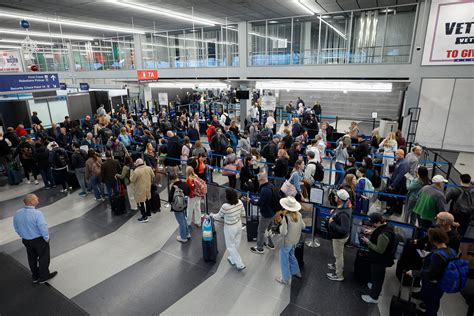
The ripple effect spread far beyond the core six airports. Carriers like Spirit, Frontier, Jazz Aviation, Boutique Air, Air Serbia, and Ethiopian Airlines also faced scheduling havoc. At some terminals, airline counters were overwhelmed by rebooking demands, while stranded passengers sought hotel accommodations or resorted to ground transport alternatives.
FAA and Airlines Urge Caution for Summer Travelers
As weather instability becomes more frequent amid the climate volatility of 2025, industry officials are urging passengers to remain flexible, proactive, and cautious. The FAA advised travelers to continuously monitor flight statuses, opt for travel insurance when possible, and allow buffer time between connections.
Airlines are working around the clock to restore operations, reposition crews, and reschedule displaced aircraft. However, ongoing storms across the central U.S. and East Coast corridor may continue to impact flight activity for the next 48–72 hours.
Travelers are encouraged to consider early morning flights—which are more likely to depart on time—and to utilize mobile alerts for real-time updates. Experts note that July is typically among the worst months for aviation weather delays, and with summer travel volumes peaking, further chaos may be unavoidable.
Conclusion: A Tumultuous Summer of Travel Unfolds
With over 1,300 flight disruptions on June 19 alone, the U.S. air travel system finds itself again at the mercy of nature’s unpredictability. From mist-covered runways in Boston to storm-drenched tarmacs in Chicago and DC, the cascading impacts from weather events are testing airline agility, traveler patience, and airport capacity. The compounding pressure on America’s aviation infrastructure signals what could be a summer of unprecedented air travel turbulence, unless weather patterns stabilize—and fast.