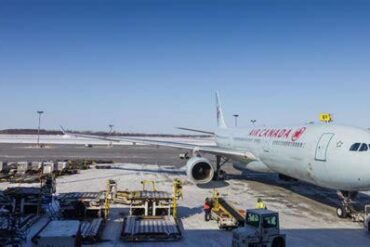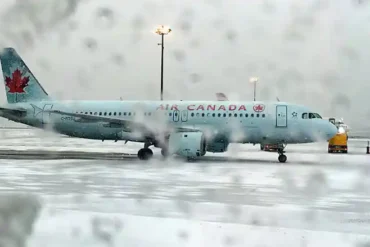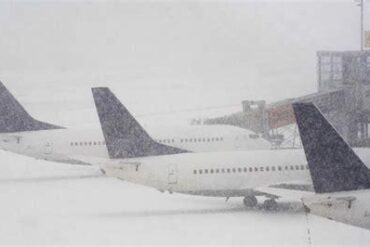
Severe weather conditions paralyzed major Canadian air travel hubs on Thursday, June 26, 2025, as over 350 flights were cancelled or delayed at Montreal-Trudeau (YUL), Toronto Pearson (YYZ), and Vancouver International Airport (YVR). Passengers faced hours-long waits, aircraft held on tarmacs, and cascading operational disruptions as thunderstorms, high winds, and low visibility swept across Quebec, Ontario, and British Columbia.
Toronto Pearson: Epicenter of Canada’s Aviation Gridlock
Toronto Pearson, the busiest airport in Canada, bore the brunt of the nationwide meltdown. With 156 delays and 11 cancellations, the ripple effects impacted both domestic and international flights, disrupting air corridors across the Atlantic, Pacific, and continental North America.
Air Canada, the country’s flagship carrier, suffered the worst of the fallout with 45 delays and 2 cancellations, while Jazz Aviation, a key regional operator for Air Canada, was hammered with 25 delays and 7 cancellations. Aircraft were held at gates for extended periods due to lightning risks, and taxiway access was suspended as wind gusts exceeded safe operating limits.
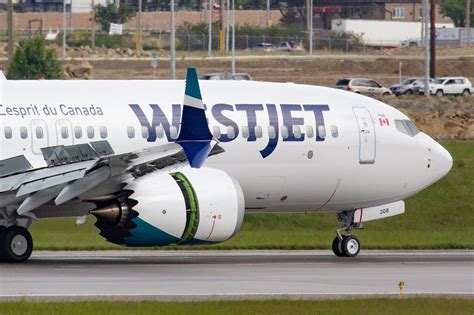
Several international airlines were ensnared in the chaos:
- British Airways, Lufthansa, and BermudAir encountered schedule volatility.
- Turkish Airlines, Qantas, and All Nippon Airways (ANA) saw over half their scheduled flights delayed.
- American Airlines logged 3 delays and 2 cancellations, with regional partners affected as well.
- Delta and United Airlines faced cascading delays as transborder operations buckled under terminal congestion.
Passengers at Pearson described chaotic scenes at gates, unresponsive flight information boards, and staff shortages that delayed rebookings. Airlines moved quickly to waive change fees and allow itinerary flexibility, but mounting backlogs made alternative travel options scarce.
Montreal-Trudeau: Early Storms Spark Widespread Ripple Effects
In Quebec, Montreal-Trudeau International Airport (YUL) experienced 88 delays and 6 cancellations, many triggered by morning thunderstorms that forced prolonged ground holds and ramp closures.
Air Canada was again the most affected, reporting 19 delays and 2 cancellations. Jazz Aviation followed closely with 22 delays and 2 cancellations, straining regional traffic into Atlantic Canada and northeastern U.S. hubs.

Notable international disruptions included:
- Air France, Turkish Airlines, and Qatar Airways faced inbound delays due to poor visibility and gate congestion.
- Lufthansa, French Bee, and Royal Jordanian experienced complications from delayed aircraft turnaround times.
- Smaller carriers like PAL Airlines, Porter Airlines, and Air Creebec struggled to reposition aircraft and crews amid sudden scheduling shifts.
Ground operations were strained by storm cells passing through early in the day, leading to scattered gate closures and delayed refueling and deboarding processes. Passengers reported being stuck on aircraft for up to an hour, waiting for crew clearance and gate assignments.
Vancouver: Wind Gusts and Low Visibility Disrupt Pacific Operations
On the Pacific coast, Vancouver International Airport (YVR) registered 88 delays and 9 cancellations as shifting wind patterns and poor visibility triggered sustained arrival and departure holds.
Regional airline Pacific Coastal led local disruption counts with 12 delays and 4 cancellations, followed by Air Canada with 18 delays and 3 cancellations. WestJet Encore also experienced 5 delays and 2 cancellations.
International carriers grappling with delays included:
- Lufthansa, Edelweiss Air, and EVA Air saw delays on long-haul European and Asian routes.
- Qantas, Cathay Pacific, Hong Kong Airlines, and China Airlines reported complications during key evening departures.
- All Nippon Airways (ANA) and Korean Air faced inbound delays during high-traffic windows.
Vancouver’s west-facing runways were especially vulnerable to crosswinds, forcing aircraft into holding patterns and disrupting runway sequencing. Transport Canada and NAV CANADA advised pilots to increase spacing between approaches, further compounding delays.
Airlines Scramble to Rebook Passengers and Recover Schedules
Across all three hubs, airline and airport staff were overwhelmed by the scale of disruption. With check-in counters swamped, tarmac delays mounting, and rebooked passengers flooding help desks, major carriers enacted emergency response measures.
Airlines that offered change-fee waivers included:
- Air Canada and WestJet, providing complimentary rescheduling for affected passengers.
- American Airlines, United, and Delta, enabling flexible rebooking across alliance networks.
- Turkish Airlines and Qatar Airways, encouraging travelers to monitor their flight status before heading to the airport.
Despite these efforts, hundreds of passengers missed connections, with many forced to stay overnight or reroute through U.S. airports. Toronto’s Terminal 1 experienced significant overflow as travelers waited for hours with limited information.
Regional Airlines Hit Hardest by Crew and Aircraft Limitations
While the big names captured headlines, regional carriers bore the brunt of cascading delays as they lacked the fleet depth and crew redundancy to absorb disruption shocks.
- Jazz Aviation, a critical feeder airline for Air Canada, reported a total of 57 delays and 11 cancellations across all airports.
- Porter Airlines suffered 14 delays, with its Toronto-Billy Bishop base also impacted by inclement weather over Lake Ontario.
- Pacific Coastal Airlines, operating critical western Canada links, was unable to complete several scheduled legs due to pilot hour restrictions and aircraft availability.
- Flair Airlines, Air North Charter, and Horizon also reported delays extending into secondary airports such as Kelowna, Saskatoon, and Thunder Bay.
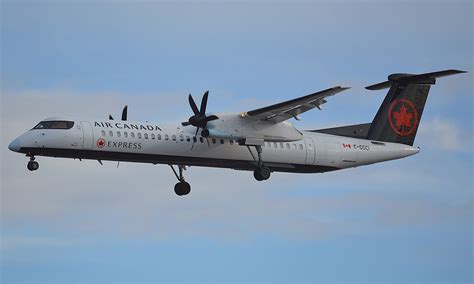
Smaller aircraft, often operating tight-turnaround schedules, were particularly vulnerable to delays compounding over successive legs. Several pilots were unable to continue rotations due to exceeding duty time regulations.
Weather Forecast: More Turbulence Ahead
Environment Canada warned of continuing volatile weather patterns over the coming 48–72 hours, with additional thunderstorms forecast across Quebec, Ontario, and the lower mainland of British Columbia.
Air traffic flow may remain volatile through the weekend, especially with peak summer travel volumes already underway. Transport Canada urged passengers to verify flight status, use mobile alerts, and prepare contingency plans in case of rerouting.
Airport crews are now working overtime to clear backlogs, reposition aircraft, and stabilize departure boards. However, systemic strain on the national air network means delays may still ripple into Friday and Saturday’s flights.
What Travelers Should Do Next
Passengers with upcoming flights through YUL, YYZ, or YVR are strongly advised to:
- Check flight status regularly via airline apps and airport websites.
- Arrive early to allow time for rebooking and alternate arrangements.
- Sign up for SMS or email alerts from their carriers.
- Monitor weather alerts through official meteorological channels.
Most airlines continue to offer waivers or free changes for affected travel dates. However, availability on alternate flights remains limited, especially for international departures and regional connectors.
Conclusion: A Fragile System Exposed by the Storm
Canada’s aviation infrastructure, though modern and expansive, proved vulnerable to the perfect storm of summer volatility. While airports and airlines worked quickly to enact mitigation strategies, the domino effect of a multi-hub weather event exposed weaknesses in staffing, fleet allocation, and passenger communication protocols.
As travel rebounds in a post-pandemic era, this incident underscores the need for more resilient air traffic systems, better coordination between carriers, and infrastructure investments to prepare for extreme weather scenarios that are becoming more frequent.
For now, passengers are left hoping for clearer skies ahead — and a smoother journey once operations stabilize across the nation’s skies.