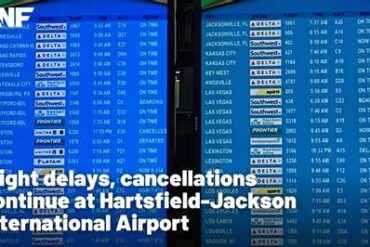
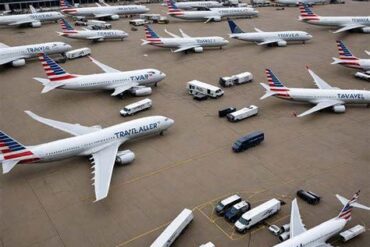
Severe weather swept across Hartsfield-Jackson Atlanta International Airport (ATL) on June 28, 2025, igniting a cascading crisis that rippled through the US aviation system, leaving thousands of passengers stranded, frustrated, and uncertain. With over 470 flight cancellations and nearly 560 delays, the storm’s ferocity disrupted operations for major carriers, most notably Delta Air Lines, American Airlines, Endeavor Air, and Frontier Airlines, marking one of the most significant travel interruptions ATL has seen in recent years.
The storm’s timing couldn’t have been worse. As the US approaches the July 4th holiday weekend, traditionally among the busiest travel periods of the year, this large-scale disruption has set off a domino effect, pushing airline schedules, airport resources, and passenger patience to their limits.
Severe Weather Paralyzes Air Traffic at Atlanta — The Heart of US Aviation
The heart of the disruption lies at Hartsfield-Jackson Atlanta International Airport, globally recognized as one of the busiest air travel hubs. On a normal day, ATL handles approximately 2,100 flight movements and serves over 286,000 passengers, connecting more than 150 domestic and 70 international destinations. The airport is the linchpin for Delta Air Lines, which maintains its primary hub there, and a critical node for other major carriers such as Southwest Airlines, United Airlines, and American Airlines.
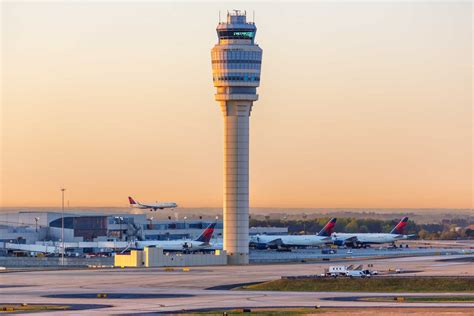
But on June 28, a relentless weather system forced airport operations to grind to a near halt. The most dramatic impact came when ATL’s air traffic control tower was partially evacuated, leaving only two air traffic controllers to manage inbound and outbound flights. With North America’s tallest control tower—standing an imposing 398 feet (121 meters)—normally orchestrating one of the world’s most complex air traffic networks, the sudden depletion in staffing had immediate, severe consequences.
The combination of lightning, torrential rain, and strong winds presented safety hazards that demanded the evacuation, significantly constraining the airport’s operational capacity.
Delta and Endeavor Bear the Brunt as Cancellations Mount
Flight data from FlightAware reveals the full scale of the disruption. Delta Air Lines, which operates a vast majority of flights through ATL, experienced 391 cancellations, accounting for the lion’s share of impacted services. Its regional affiliate, Endeavor Air, was the second-most affected, suffering extensive delays and grounded flights.
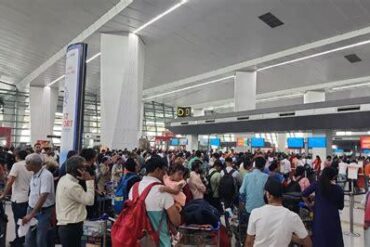
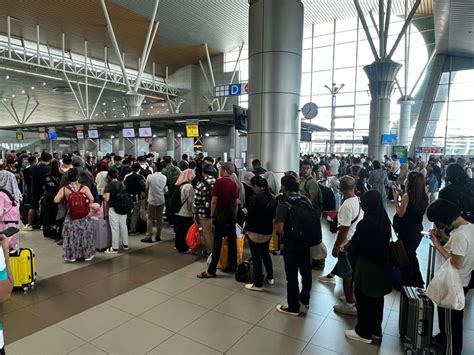
American Airlines and Frontier Airlines also reported significant operational setbacks, with dozens of flights delayed or canceled. Passengers traveling with these carriers faced long waits, chaotic terminal scenes, and scarce rebooking options, particularly as seats on alternative flights quickly evaporated amid the holiday surge.
Holiday Travel Surge Amplifies the Crisis
The storm’s disruptive power collided with another looming challenge — the anticipated Fourth of July travel rush. According to the Transportation Security Administration (TSA), between July 1 and July 7, 2025, an estimated 18.5 million passengers will pass through US airport security checkpoints. The busiest travel day is forecasted to be July 6, with nearly 2.9 million travelers expected to fly.
This surge follows record-breaking passenger volumes in recent weeks. On June 22, 2025, TSA reported screening almost 3.1 million passengers, the highest single-day total in agency history. Post-pandemic travel demand is booming, intensifying pressures on airport infrastructure and airline operations. The sudden weather-induced disruption at ATL demonstrates the fragility of the aviation ecosystem when stretched to capacity.
FAA and TSA Respond Amid Mounting Pressure
The Federal Aviation Administration (FAA) moved swiftly to assure the public that efforts to restore normalcy were underway. Officials confirmed that while the storm severely impacted immediate operations, long-term airport capacity remains intact.
Meanwhile, TSA has ramped up preparations for the July 4th period, deploying additional staff and resources to alleviate bottlenecks where possible. However, with the storm’s aftermath complicating scheduling and logistics, recovery will likely take days, especially as airlines reposition aircraft, accommodate stranded passengers, and navigate heightened traveler volumes.
ATL’s Global Significance and Structural Vulnerabilities
Despite the chaos, ATL’s role as an aviation superhub remains undisputed. In 2024, the airport facilitated over 108 million passengers, ranking it as the second-busiest airport globally. With connections to 43 countries, ATL is a cornerstone of both domestic and international air travel.
However, the events of June 28 highlight ATL’s vulnerabilities, particularly when severe weather converges with operational chokepoints like limited air traffic control staffing. As ATL officials and airlines grapple with recovery, questions resurface about the resilience of mega-airports in the face of increasing climate-related disruptions.
Travelers Face Uncertainty as Ripple Effects Spread
For travelers caught in the storm’s wake, the outlook remains uncertain. While airlines have mobilized rebooking teams and waived certain change fees, flight availability is scarce, and delays persist across the network. With ATL serving as a primary connecting hub, cancellations have cascaded beyond Georgia, impacting schedules at airports nationwide.
Passengers are urged to closely monitor flight status updates, arrive at airports early, and prepare for extended wait times. Those traveling through ATL in the coming days should brace for potential disruptions as the airport works to restore full operational capability.
Severe Weather, Aviation Infrastructure, and Future Resilience
The storm at ATL underscores a broader industry challenge: the need to fortify aviation infrastructure against increasingly volatile weather patterns. Meteorologists have warned that severe storm activity is intensifying, fueled by climate change, putting airports and airlines under heightened strain.
In response, industry leaders are exploring strategies to enhance resilience, including upgraded communication systems, expanded staffing flexibility, and investments in weather monitoring technologies. Yet, even with proactive measures, events like the June 28 disruption reveal how swiftly conditions can unravel.
Conclusion: A Sobering Reminder for US Aviation
The events at Hartsfield-Jackson Atlanta International Airport serve as a sobering reminder of aviation’s sensitivity to external shocks. With millions preparing to travel for Independence Day, the recent disruption illustrates how even the most sophisticated airports can falter under the combined weight of severe weather and peak traveler demand.
For now, ATL remains a vital artery in global air travel. But its storm-induced paralysis reveals an urgent need for more robust contingency planning to safeguard the movement of passengers and goods, particularly as the industry contends with mounting environmental and operational pressures.
As airlines, airport authorities, and federal agencies collaborate to stabilize operations, travelers are left navigating uncertainty — a reflection of the delicate balance underpinning modern air travel.