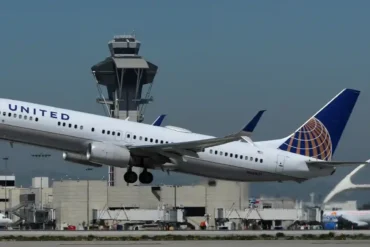
The United States aviation network faced major turmoil this weekend as American Airlines struggled with over 700 flight cancellations and delays due to intense and wide-ranging severe weather conditions. From Miami and Dallas-Fort Worth to Chicago O’Hare, Philadelphia, Charlotte, and JFK, the airline’s sprawling hub network was battered by thunderstorms, lightning, torrential rain, and strong winds, triggering a domino effect of delays and disruptions across the country.
The timing could not have been worse. With the peak summer travel season in full swing, thousands of travelers were left stranded, rerouted, or anxiously awaiting updates. The scale of disruption marks one of the most severe operational impacts the airline has experienced in recent months.
Major Hubs Plunged Into Chaos by Weather Extremes
At the epicenter of the storm-induced disruption was Dallas-Fort Worth International Airport (DFW), a critical gateway for American Airlines. With 137 delays and 66 cancellations, DFW alone accounted for 203 flight disruptions. Heavy rain combined with lightning strikes led to extensive ground delays as airport staff were forced to suspend operations for safety.
Charlotte Douglas International Airport (CLT) followed closely with 183 flight disruptions, including 139 delays and 44 cancellations. Thunderstorms moving through the southeastern corridor played havoc with flight schedules, backing up both departures and arrivals.
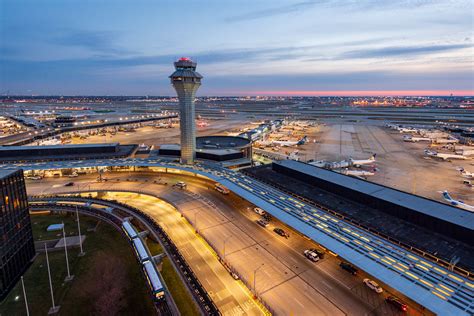
Chicago O’Hare International Airport (ORD) experienced 87 disruptions. Strong crosswinds and volatile storm fronts disrupted operations, causing inbound flights to circle in holding patterns and outbound flights to be rescheduled or canceled entirely.
On the East Coast, Philadelphia International Airport (PHL) and John F. Kennedy International Airport (JFK) collectively saw over 87 disruptions, further complicating transcontinental and transatlantic connectivity. JFK’s 29 flight disruptions, many of which involved long-haul flights, left hundreds of international travelers stuck in terminals overnight.
Even Miami International Airport (MIA)—a major international hub with high daily volumes—was severely affected, reporting 72 delays and 25 cancellations. Torrential rain and low visibility conditions severely hampered air traffic movements in South Florida.
Disruptions at a Glance: A Widespread Operational Crisis
Although DFW and CLT faced the brunt of the disruptions, airports across the country were impacted:
- Reagan National (DCA): 52 disruptions
- LaGuardia (LGA): 37 disruptions
- Detroit Metro (DTW): 84 disruptions
- Minneapolis-St. Paul (MSP): 78 disruptions
- Boston Logan (BOS): 42 disruptions
- Orlando International (MCO): 42 disruptions
- Salt Lake City (SLC): 43 disruptions
- Houston Bush Intercontinental (IAH): 47 disruptions
- Los Angeles International (LAX): 2 delays, relatively minimal but indicative of ripple effects
The Meteorological Triggers: How Weather Derailed the Skies
The aviation chaos stemmed from a deadly combination of meteorological elements:
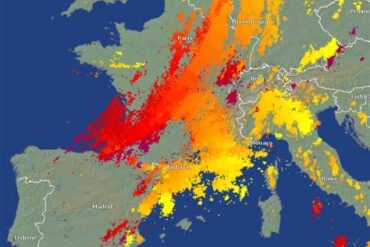
Thunderstorms and Lightning: Particularly problematic in Dallas, Philadelphia, and Chicago, lightning strikes triggered automatic ground delays, halting all outdoor ramp activity. During these periods, no aircraft could taxi, take off, or be serviced, leading to cascading schedule issues.
Heavy Rain and Low Visibility: Torrential downpours were a significant issue in Miami, Boston, and LaGuardia, forcing ATC to slow or suspend operations. Aircraft approaching runways were redirected, and takeoffs were delayed as visibility dropped below minimum thresholds.
Gusty Winds and Crosswinds: High wind gusts exceeding safe crosswind limits disrupted landing sequences, especially at Chicago O’Hare, Newark, and Charlotte. Aircraft were required to hold in the air or reroute, causing logistical challenges for ground crews and further flight knock-ons.

American Airlines’ Response: Crisis Management Under Pressure
In the wake of the growing delays and cancellations, American Airlines issued a public apology, acknowledging the massive operational impact of the weather. The airline activated its irregular operations (IROPS) protocol, which included:
- Waiving change fees and offering flexible rebooking options
- Deploying additional customer service representatives to assist stranded travelers
- Updating passengers via the American Airlines mobile app, text notifications, and gate announcements
American Airlines also requested passengers to regularly monitor their flight status and use the airline’s digital channels for rebooking to avoid overcrowding at service counters.
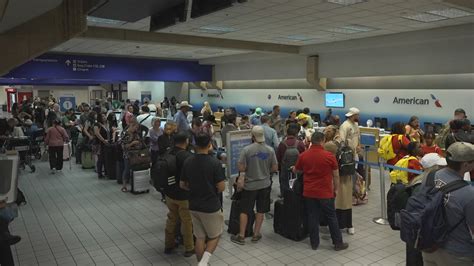
Despite these efforts, scenes of long lines, crowded terminals, and frustrated travelers played out in airports across the nation.
Human Cost: Stranded Passengers and Missed Connections
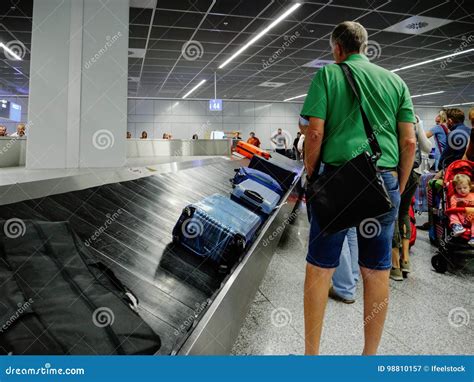
The ripple effects of these disruptions were deeply felt. At Philadelphia, one traveler en route to London reported being stuck for over seven hours with no definitive update. Others at Miami International faced the difficult task of rebooking connecting flights, many of which were already full due to summer demand.
Families traveling for vacations were among the most affected. At Orlando International, children slept on terminal floors while parents scrambled for alternative routes. Passengers in Detroit, Salt Lake City, and Houston recounted waiting in serpentine queues just to speak with customer service agents.
Operational Recovery: The Road Ahead for American Airlines
The scale of this disruption underscores a broader challenge in the U.S. air travel ecosystem: the vulnerability of flight operations to extreme weather events. As climate change fuels more intense storm systems, airlines are expected to face similar hurdles with increasing frequency.
American Airlines is working to restore normalcy across its network by:
- Adjusting crew schedules to replace time-out flight staff
- Positioning reserve aircraft in less-affected hubs
- Coordinating with the Federal Aviation Administration (FAA) to optimize traffic flow
Still, with aircraft and crews out of position, full recovery may take days—a situation that will likely leave passengers grappling with extended delays and canceled plans.
A Glimpse Into Systemic Pressure Points
This incident highlights a few critical vulnerabilities in American Airlines’ operations and, more broadly, the U.S. aviation network:
- Hub Dependence: With major disruptions centered at DFW, CLT, and ORD, the interconnected nature of hub-and-spoke networks makes cascading cancellations inevitable.
- Crew Time-Out Regulations: FAA-mandated rest periods limit how long crew can operate, leading to compounding flight cancellations once delays accumulate.
- Limited Spare Capacity: With airlines operating near capacity during the summer season, finding alternative aircraft or spare seats is increasingly difficult.
Final Thoughts: Travelers Advised to Stay Vigilant
As American Airlines works through one of its most widespread and severe weather disruptions in recent history, passengers are urged to stay alert, remain flexible, and expect delays.
The airline has reiterated its commitment to safety as the top priority but acknowledges the need for stronger contingencies as weather volatility increases.
Travelers planning to fly in the coming days are encouraged to:
- Regularly check flight status via official airline channels
- Use mobile apps for rebooking rather than relying on airport desks
- Consider travel insurance or flexible booking options during storm-prone seasons
The events of June 29, 2025, serve as a sharp reminder of the fragility of even the most robust airline operations in the face of nature’s unpredictability.