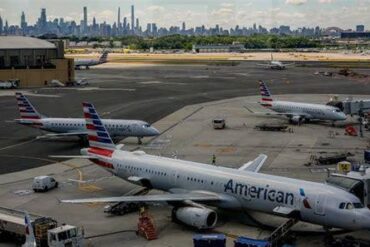
The severe weather system that has gripped the United States in recent days has thrown United Airlines’ operations into disarray, with flight schedules unraveling at critical airport hubs across the country. Torrential rainfall, aggressive wind patterns, and deteriorating visibility have triggered an escalating crisis for United, which now faces hundreds of delays and dozens of cancellations from coast to coast.
By Monday, June 30, 2025, major U.S. airports including Charlotte Douglas International, Atlanta Hartsfield-Jackson, Dallas-Fort Worth, Chicago O’Hare, Newark Liberty, JFK, LaGuardia, Boston Logan, Reagan National, Dulles International, Detroit Metro, Los Angeles International, San Francisco International, and Fort Lauderdale-Hollywood International were all experiencing sustained operational disruptions due to the storm.
Severe Disruptions at Charlotte Douglas International Airport
In the Southeast, Charlotte Douglas International Airport (CLT) reported 96 delays for United flights, a figure made worse by slow-moving storm cells drenching the Carolinas. While cancellations were fortunately avoided at this location, heavy downpours and runway congestion left many flights grounded for extended periods. Ramp crews faced hazardous working conditions, adding to the airline’s logistical burden.
Atlanta and Dallas: Southern Gateways Under Siege
In Atlanta, one of the busiest air corridors in the country, United Airlines struggled to maintain departure integrity amid sudden wind shifts and severe lightning alerts. Further west, at Dallas-Fort Worth International Airport (DFW), the storm’s fury resulted in 283 delayed flights and 14 cancellations.
Passengers faced mounting frustration as connecting itineraries collapsed, and wait times surged beyond five hours in some terminals. The convergence of turbulence warnings, wind shear, and air traffic control flow holds paralyzed many outbound routes.
Chicago O’Hare: A Central Hub Gridlocked by Storm Cells
United’s sprawling hub at Chicago O’Hare International Airport (ORD) was among the hardest hit. With 308 delays and 11 cancellations, O’Hare quickly became a pressure point for cascading network failures.
The weather system hovered over the Great Lakes region, triggering a sequence of departure stalls and arrival bottlenecks. United’s ground teams had difficulty repositioning aircraft, while air traffic controllers imposed frequent metering programs to manage the traffic volumes.
Northeast Corridor: Newark, JFK, and LaGuardia Paralyzed
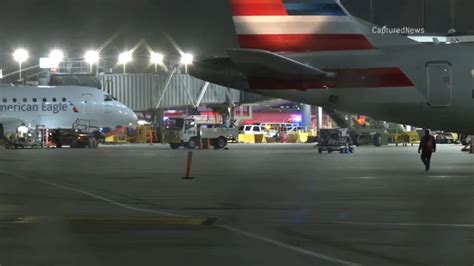
The storm’s footprint expanded into the Northeast, where United Airlines operates some of its most critical transatlantic gateways. At Newark Liberty International Airport (EWR), the airline recorded 200 delays and 9 cancellations, mostly stemming from lightning alerts and runway occupancy restrictions.
In tandem, JFK and LaGuardia airports also saw severe congestion as visibility dropped below Federal Aviation Administration (FAA) minimums for safe arrivals. Passengers expecting to fly into or out of New York City were either grounded or rebooked, overwhelming customer service desks.
Washington D.C. and Boston: Political and Educational Capitals Stalled
Both Reagan National (DCA) and Dulles International (IAD) suffered as storms crept up the Mid-Atlantic. At Dulles, United logged 109 delays and a substantial 18 cancellations. The problem was exacerbated by shifting thunderstorm cells and runway vectoring constraints.
Further north, Boston Logan International Airport battled dense fog and downdrafts, with United’s aircraft often forced to enter holding patterns over the Atlantic before getting clearance to land.
Detroit and Fort Lauderdale: Midwest and Florida Feel the Pressure
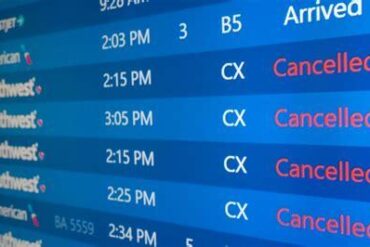
In the Midwest, Detroit Metropolitan Wayne County Airport (DTW) experienced a surge in delays as storm energy intensified over Lake Erie and the surrounding region. Meanwhile, in Fort Lauderdale, already vulnerable to tropical weather systems, United struggled to maintain normal operations, with departure boards flooded with delay notifications.
West Coast Operations Buckle Under Strain
The West Coast was not spared. At Los Angeles International Airport (LAX), United reported 193 delays and 10 cancellations. The atmospheric disturbances included gusty crosswinds and inconsistent cloud layers, which disrupted vectoring operations for incoming flights. Air traffic control implemented runway swaps to mitigate risk, causing further disruption.
In the Bay Area, San Francisco International Airport (SFO) saw 111 delays and 9 cancellations. The iconic fog that often haunts SFO became dangerously dense, mixing with storm-induced precipitation to reduce visibility to unsafe levels. International arrivals were notably impacted, with aircraft holding over the Pacific awaiting safer approach windows.
Air Traffic Control Constraints Amplify Disruptions
Beyond weather conditions alone, a critical bottleneck emerged from overwhelmed air traffic control (ATC) centers. The FAA issued multiple ground stops, airspace flow programs (AFPs), and departure delays to maintain safety. These control measures, though essential, had the side effect of locking United’s aircraft into unscheduled idling, disrupting rotation schedules.
Flight crews hit maximum duty limits, leading to cascading staffing shortages. Meanwhile, aircraft were stranded in the wrong cities, further undermining the airline’s recovery timeline. Terminal congestion and limited gate availability contributed to the slowdown, with several aircraft left parked on taxiways for over 90 minutes.
Operational Recovery: United’s Real-Time Response
United Airlines has activated its Operations Recovery Center, a centralized command structure designed to oversee multi-hub response coordination. Crews are being rerouted, new reserve staff activated, and rebooking platforms updated in real time.
Despite these efforts, backlogs persist. The airline’s mobile app and website continue to show elevated alerts, and travelers are being urged to monitor flight statuses and allow additional buffer time. Compensation policies, including meal vouchers and hotel stays, are being applied selectively, depending on airport capacity and availability.
Passenger Impact and Industry-Wide Ramifications
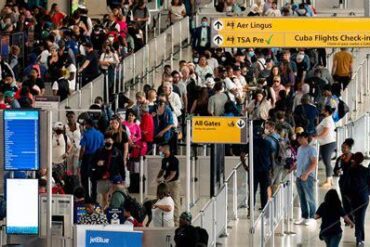
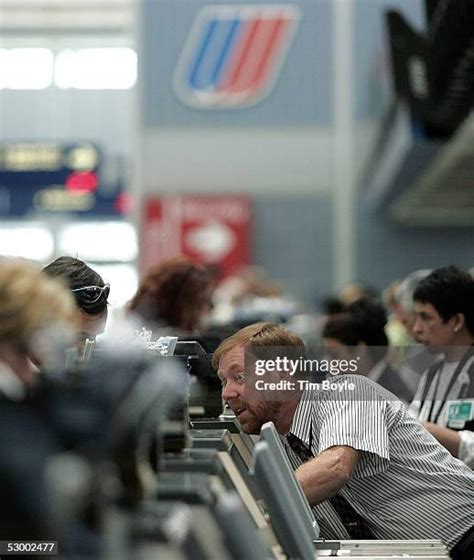
The human toll is rising. Thousands of passengers remain stranded, with some reporting overnight stays in terminals, lost luggage, and confusing rebooking scenarios. Social media is flooded with real-time images of chaotic gate areas, missed connections, and frustration over inconsistent communication.
From an industry perspective, the disruptions highlight the fragility of hub-and-spoke systems under extreme weather pressure. Airlines such as United, which rely heavily on synchronized operations across their network, are particularly vulnerable to compounding delays.
Looking Ahead: Weather Forecast and Future Preparedness
Meteorological models predict that storm conditions will gradually ease by the middle of the week, offering some relief. However, clearing the existing backlog of delayed flights, repositioning aircraft, and rescheduling crews will require several more days.
United is expected to continue with schedule thinning, prioritizing long-haul and high-capacity routes over regional connectors to stabilize its network. The airline’s leadership has not issued a formal press conference but has released updates through press statements and social platforms.
While the airline industry has made strides in operational resilience, events like this underscore the need for more agile scheduling software, real-time predictive weather analytics, and expanded contingency crew bases to respond swiftly to extreme weather.
Conclusion: A Long Road to Normalcy
The current crisis reveals the deep interdependence of major U.S. airports and the national airline infrastructure. United Airlines finds itself in the eye of the storm, literally and operationally. While recovery efforts are underway, the scale of the disruption means that delays and cancellations will likely continue to ripple across the system for several days.
For passengers, the advice remains consistent: check flight status continuously, remain flexible, and be prepared for additional delays. For United Airlines, the coming days will test not just its logistical agility, but also its commitment to passenger experience in the face of unprecedented weather adversity.