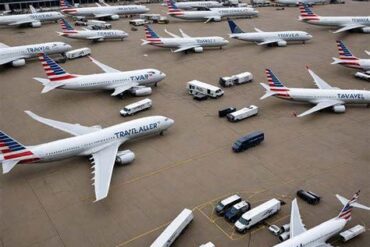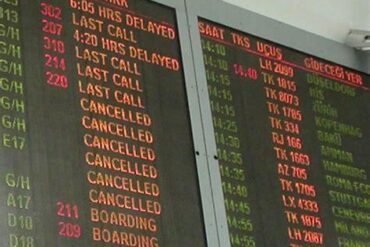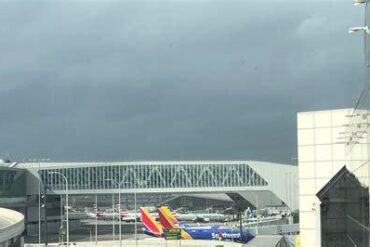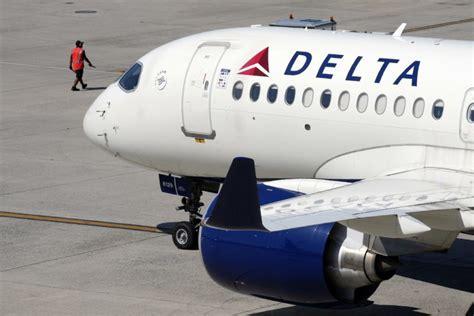
The U.S. air travel system faced a fresh wave of operational breakdown over the weekend, as more than 800 flights were delayed or canceled due to severe weather patterns sweeping across major East Coast and Southern airports. Heavy rain in the Northeast and intense wind gusts in the South crippled operations at pivotal transit hubs including JFK, LaGuardia, Detroit Metro, and Atlanta Hartsfield-Jackson, just as the summer travel surge kicked into full gear.
Passengers across the country found themselves grounded, rerouted, or severely delayed as leading airlines—including Delta, JetBlue, American Airlines, Air Canada, and WestJet—struggled to contain a domino effect of disruptions that rippled through both domestic and international networks.
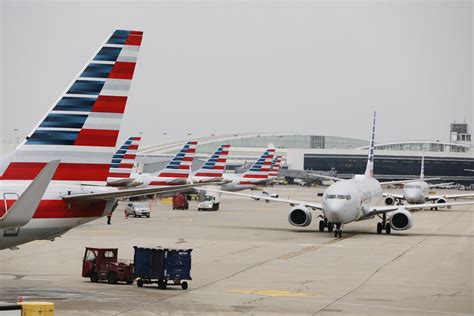
JFK, LaGuardia, Detroit, and Atlanta: Weather-Induced Gridlock
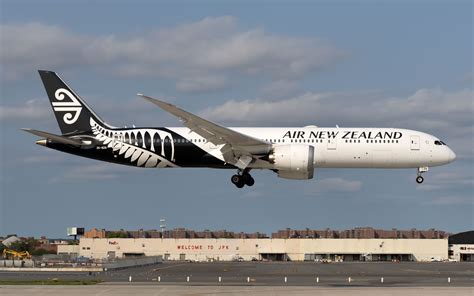
At John F. Kennedy International Airport, gusty coastal winds forced the delay of 121 flights and the outright cancellation of 17. Among the most heavily affected was Endeavor Air, the regional Delta affiliate, which canceled 11 flights and delayed 27, amounting to nearly 20% of its scheduled operations. Delta, although spared from cancellations at JFK, was still bogged down with 40 delays, while JetBlue managed to avoid cancellations altogether despite suffering 24 delays.
International carriers such as British Airways, Japan Airlines, KLM, Cathay Pacific, and Lufthansa were not immune to the chaos. Many incoming transatlantic flights were forced into extended holding patterns or redirected due to crosswinds exceeding safety thresholds.
Detroit Metro Paralyzed by Persistent Rainfall
In Detroit, persistent rain throughout the day played havoc with regional schedules. Detroit Metro Wayne County Airport logged 54 flight delays and 24 cancellations, with Endeavor Air again topping the list—scrapping 17 flights and delaying 24, hitting nearly one-third of its entire daily output. Delta canceled five flights, while JetBlue, Spirit, Southwest, and Frontier reported smaller but impactful slowdowns.
The cascading effect of delays meant inbound planes were often left circling in holding patterns, unable to find a break in the rain to safely land, while outbound departures stacked up on tarmacs, awaiting windowed clearances from air traffic control.
Atlanta Hartsfield-Jackson Choked by High Winds
Farther south, Hartsfield-Jackson Atlanta International Airport, the world’s busiest passenger hub, saw over 223 delays and 12 cancellations triggered by sharp wind bursts that made takeoffs and landings hazardous. Delta, the largest carrier at ATL, faced an enormous operational backlog with 162 delayed flights, though it managed to avoid cancellations.
Endeavor Air, however, saw further disruptions with 11 canceled flights and 12 delays, underscoring its vulnerability across multiple airports. Even international heavyweights such as Air France, Qatar Airways, Virgin Atlantic, and Aeroméxico Connect encountered delays, highlighting how deeply the weather pattern cut into global air logistics.
LaGuardia Hit Hard Again as Rain Continues
Meanwhile, LaGuardia Airport suffered its own share of weather-induced turbulence, with 36 delayed flights and 15 canceled. Yet again, Endeavor Air led in disruptions—13 cancellations and 19 delays—as short-haul regional connections bore the brunt of the chaos.
Delta, despite being the dominant operator at LaGuardia, managed to minimize its impact with 8 delays and no cancellations. Carriers like Republic Airways, Air Canada, JetBlue, and American maintained limited operations, though were still hampered by rolling weather systems and shifting ground delay programs.
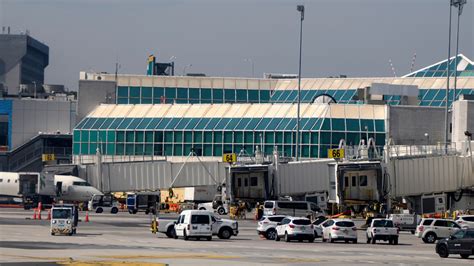
Airlines Grapple With Network-Wide Bottlenecks
The synchronized disruption across four of the country’s busiest airports created an extensive chain reaction across airline networks. Endeavor Air—the regional connector for Delta—emerged as the most heavily affected carrier across all sites:
- Detroit: 17 cancellations, 24 delays
- LaGuardia: 13 cancellations, 19 delays
- Atlanta: 11 cancellations, 12 delays
- JFK: 11 cancellations, 27 delays
Delta Air Lines itself, although resilient in avoiding mass cancellations, logged over 229 delays across all four hubs. JetBlue had significant slowdowns, particularly at JFK and Detroit, while American Airlines, Air Canada, WestJet, Frontier, and Alaska Airlines also endured scattered disruptions.
Notably, several international and cargo operators were caught in the crosswinds as well, including China Cargo, Nippon Cargo Airlines, HiSky Europe, and Cargolux—each forced into delays as jet streams, crosswinds, and saturated runways rendered precise landings nearly impossible.
FAA and Airlines Brace for More Chaos
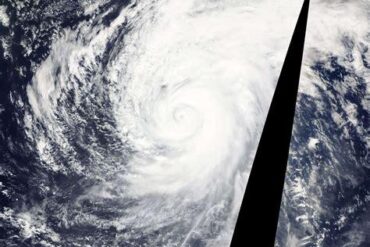
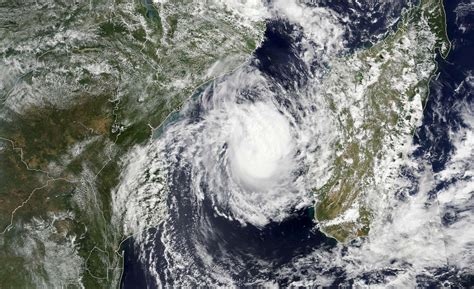
The Federal Aviation Administration (FAA) issued advisories over the weekend forecasting further potential delays at other East Coast and Midwestern airports, as the unstable weather system continues its slow march across the U.S. Meteorological models suggest more isolated thunderstorms, wind shears, and flash flooding are possible over the next 48–72 hours.
This has prompted major airlines to activate irregular operations protocols (IROPs), reallocating crews, repositioning aircraft, and opening emergency rebooking channels for affected passengers. But with high summer volumes, airport gate space and aircraft rotation buffers remain stretched thin.
National Disruption Tally Reaches 843 Flights
Across the four most affected hubs—JFK, LaGuardia, Detroit Metro, and Atlanta Hartsfield-Jackson—the total impact ballooned to 843 flights, including 143 outright cancellations and 700 delays. With passenger volumes nearing pre-pandemic highs, the strain exposed persistent cracks in the airline recovery ecosystem:
- Crew availability remains vulnerable to cascading delays.
- Aircraft positioning becomes complicated with grounded segments.
- Real-time storm tracking systems have failed to prevent extended system-wide ripple effects.
Summer Travel Season at Risk of Further Breakdown
With the official start of summer still ahead, aviation experts are warning that such weather-induced breakdowns could become a recurring theme. Infrastructure strain, aging radar systems, and a tight labor market have created conditions where even moderate weather can shut down high-density operations for hours.
Passengers are being urged to check flight status frequently, download airline apps for alerts, and expect multi-hour delays as crews work through the backlog. Travel insurance firms also report a surge in claim filings, while several airlines are quietly expanding hotel voucher budgets in preparation for further weekend chaos.
Conclusion: A Fragile System Faces Summer’s First Test
This weekend’s disruption highlights the fragile balance that governs modern air travel in the United States. A single regional storm system has demonstrated its ability to ground over 800 flights, reroute global carriers, and force thousands of passengers into limbo. As the weather system lingers and summer demand accelerates, airports, airlines, and passengers must brace for further turbulence in what is shaping up to be one of the most volatile travel seasons in recent memory.