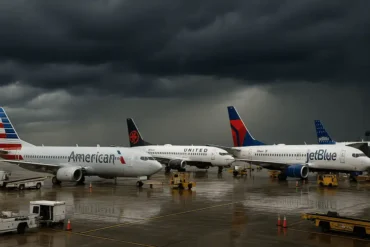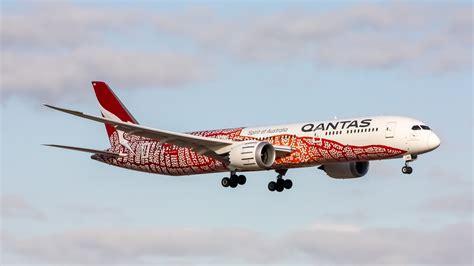
Australia’s aviation sector is facing significant disruption as over 900 flights have been delayed or canceled across the country due to ongoing severe weather conditions. Major airlines, including Qantas, Virgin Australia, Emirates, United, Singapore Airlines, Korean Air, Malaysia Airlines, and Ryanair, have been forced to scramble operations as heavy rain, gusty winds, and low visibility cripple flight schedules at key hubs like Sydney, Melbourne, Brisbane, Perth, and beyond.
Widespread Disruption Across Australia’s Major Airports
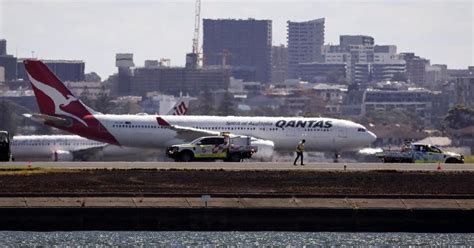
The severe weather has had a cascading impact on Australia’s interconnected air network. At Sydney Kingsford Smith Airport, which serves as the country’s busiest aviation hub, operations have been significantly hampered. 178 delays and 29 cancellations were reported, severely affecting both domestic and international flights. Flag carriers Qantas and Virgin Australia bore the brunt, as challenging weather conditions like persistent rain and crosswinds disrupted take-offs and landings.
Melbourne’s Tullamarine Airport, another critical node in the Australian aviation network, experienced 147 delays and 15 cancellations, with regional routes particularly affected. Airlines like Jetstar, Qantas, and Malaysia Airlines struggled to maintain schedules, leaving thousands of passengers in limbo.
At Brisbane Airport, one of Australia’s busiest gateways to Queensland, 253 delays and 17 cancellations were recorded. Flights operated by QantasLink, Jetstar, and Virgin Australia encountered significant operational obstacles due to strong winds and reduced visibility.
In Perth, even though severe rain was absent, gusty wind conditions along critical flight paths led to 81 delays and one cancellation, impacting services by Jetstar, Virgin Australia, and Qantas.
Other airports, including Adelaide, Gold Coast, Cairns, Hobart, and Canberra, also experienced varying levels of disruption, compounding the travel chaos and highlighting the nationwide scale of the issue.
Airlines Grapple with Operational Chaos
The weather’s disruptive effects have forced airlines into crisis response mode. Qantas, Jetstar, Virgin Australia, and several international carriers like Emirates, Korean Air, United, and Singapore Airlines have activated contingency plans to handle the unprecedented schedule interruptions.
Airlines have implemented flexible rebooking policies, waiving change fees and offering alternative travel options where possible. Passengers stranded at airports or facing uncertain schedules are being encouraged to utilize airline apps, websites, and customer service hotlines to stay informed.
Notably, QantasLink, servicing many regional routes, faced pronounced disruptions, with delays and cancellations disproportionately affecting passengers in smaller cities and remote areas reliant on air connectivity.
Meteorological Factors Driving the Disruptions
While the current weather conditions do not meet the technical definition of ‘severe’ under meteorological standards, their operational impact has been significant. Three primary factors have been responsible for the disruption:
- Heavy Rain and Low Visibility: Sydney, Melbourne, and Brisbane experienced intense rainfall, reducing visibility on runways and taxiways, delaying arrivals and departures.
- Gusty Winds: Crosswinds, especially at Sydney and Brisbane, complicated aircraft landings, prompting go-arounds and delays.
- Flight Path Congestion: Even airports unaffected by direct weather, like Perth and Cairns, reported delays due to knock-on effects from congested air corridors across the country.
Detailed Breakdown of Flight Disruptions
The sheer scale of the problem is evident from the latest figures. At Sydney Airport, Jetstar suffered 47 delays and a 29% cancellation rate, while Virgin Australia faced 9 delays with a 30% cancellation rate. Air New Zealand, operating trans-Tasman routes, experienced a 64% cancellation rate, further highlighting the widespread operational gridlock.
In Melbourne, Jetstar reported 41 delays and a 26% cancellation rate, with other international players like Malaysia Airlines and Philippine Airlines also struggling to maintain operations. Singapore Airlines experienced minor disruptions, but the ripple effects of the weather extended beyond Australia’s borders.
Brisbane saw Jetstar again heavily impacted, with 36 delays and a 45% cancellation rate, while Virgin Australia, United, and Korean Air faced substantial challenges in maintaining their flight schedules.
Perth Airport, despite milder conditions, saw Qantas report 20 delays, while Malaysia Airlines and Regional Express Airlines suffered notable schedule interruptions.
National Impact on Travel and Economy
The impact of these flight disruptions extends beyond mere inconvenience for travelers. With over 900 flights affected nationwide, the logistical chaos is straining airport operations, ground handling services, and customer support channels.
Australia’s economy, heavily reliant on efficient air connectivity for business, tourism, and freight movement, faces tangible consequences. The timing of these disruptions coincides with peak travel periods for both domestic and international routes, exacerbating congestion and placing further stress on airlines’ recovery efforts.
Tourism operators, already grappling with challenges from global economic pressures, now face booking cancellations and delayed arrivals, while business travelers experience productivity losses due to missed meetings and extended transit times.
Passenger Experience: Frustration and Uncertainty
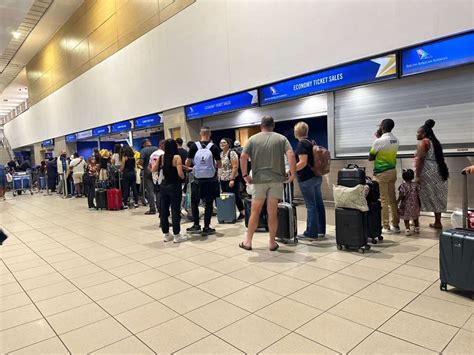
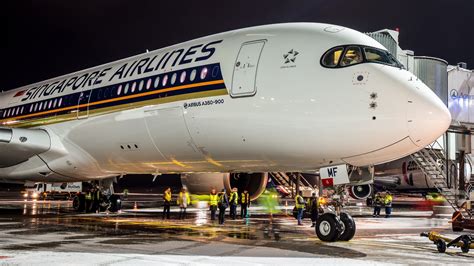
For travelers caught in the delays, frustration is mounting. Passengers report long queues at airport customer service counters, crowded terminals, and limited seating. Airlines have urged passengers to check flight status updates regularly, yet many express dissatisfaction over limited real-time information.
Some international travelers have faced missed connections, particularly those transiting through Sydney, Melbourne, and Brisbane onto long-haul flights with airlines like Emirates, Singapore Airlines, and United.
Social media platforms have been flooded with images and videos of congested terminals, grounded aircraft, and weather-related chaos. Passenger advocacy groups have called for improved crisis communication and greater transparency from airlines during weather-related events.
Airlines’ Response and Outlook
Airlines are working intensively to clear backlogs and restore normal schedules. However, with weather forecasts indicating continued rain and intermittent gusty conditions along Australia’s eastern seaboard, full recovery may take days.
Qantas, Virgin Australia, and Jetstar have mobilized additional ground crews, prioritized rescheduling of stranded passengers, and introduced flexible booking policies to mitigate the impact.
International carriers, including Emirates, United, and Singapore Airlines, are liaising with airport authorities to coordinate recovery efforts, especially for inbound flights facing bottlenecks at Australian airports.
Aviation experts caution that Australia’s unique geography and reliance on air travel for regional connectivity make the sector particularly vulnerable to weather disruptions. Airlines are calling for enhanced runway infrastructure, better weather forecasting tools, and more efficient air traffic management to minimize future impacts.
Conclusion: Weather Woes Expose Systemic Vulnerabilities
The ongoing wave of flight delays and cancellations has laid bare the vulnerabilities within Australia’s air transport infrastructure. Despite the weather not being classified as extreme, the systemic strain on airlines, airports, and passengers has been profound.
As the industry grapples with these challenges, authorities and airlines alike face increasing pressure to bolster resilience, enhance crisis response mechanisms, and ensure travelers are better supported during inevitable weather-related disruptions.
With forecasts predicting continued unstable weather patterns, travelers are urged to remain vigilant, check their flight status frequently, and exercise patience as the aviation sector works to recover from one of the most significant weather-induced disruptions in recent years.