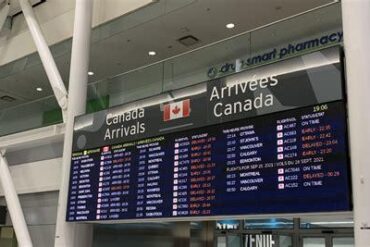
A massive wave of over 2,000 flight disruptions has plunged Asia’s aviation sector into unprecedented chaos. From Japan to South Korea, and across key hubs in Singapore, Thailand, Malaysia, China, and beyond, airports faced crippling delays and cancellations that left passengers stranded and global airlines scrambling. This widespread meltdown, impacting leading carriers such as Emirates, Korean Air, Qantas, IndiGo, Cathay Pacific, Etihad, and American Airlines, exposed deep vulnerabilities in Asia’s aviation infrastructure amid surging post-pandemic summer travel.
Japan: Narita Airport Grapples with Severe Delays
At Narita International Airport, delays swept through 84 flights alongside 3 outright cancellations. Jetstar Japan bore the brunt, with over 30% of its operations disrupted. Major carriers such as Japan Airlines, Korean Air, Qantas, and American Airlines struggled as delays at Narita rippled across their international networks. The backlog impacted flights not only within Asia but also to Europe and the United States, compounding the crisis.
Singapore: Changi Airport’s Strategic Weakness Exposed
Though fewer in absolute numbers, delays at Singapore Changi Airport created critical bottlenecks. Airlines including Emirates, Singapore Airlines, Scoot, and Cathay Pacific saw turnaround delays and missed connections as inbound flights from congested hubs like Bangkok, Shanghai, and Incheon failed to arrive on time. The effects cascaded as passengers missed transfers, forming long queues at rebooking desks and airline counters.

Thailand: Suvarnabhumi and Chiang Mai Airports in Gridlock
Bangkok’s Suvarnabhumi Airport witnessed 69 delays and 4 cancellations, paralyzing operations for Thai AirAsia, Bangkok Airways, Emirates, IndiGo, and Korean Air. Chiang Mai International Airport, typically less burdened, saw 10 delays, primarily affecting regional services operated by Scoot, Thai Lion, and AirAsia. Limited runway availability and surging tourist traffic aggravated the disruptions.
Malaysia: Kuala Lumpur Among Asia’s Worst-Hit Airports
Kuala Lumpur International Airport (KLIA) emerged as Asia’s second most affected airport, with 284 delayed flights in a single day. Airlines including Malaysia Airlines, Malindo Air, AirAsia, Super Air Jet, and Batik Air faced mounting delays. Long passenger queues were a common sight at KLIA terminals as AirAsia suffered significant operational paralysis, and international carriers like Qantas, Singapore Airlines, and IndiGo struggled due to inbound aircraft delays.
China: The Epicenter of the Aviation Crisis
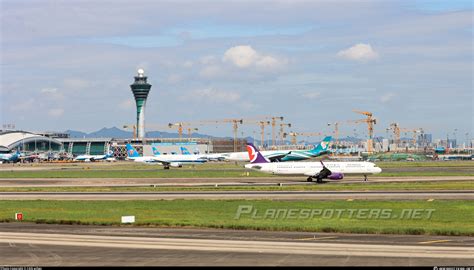
Nowhere was the disruption more severe than in China. At Guangzhou Baiyun International Airport, 395 flights were delayed with an additional 5 cancellations, marking it as Asia’s most disrupted airport. Airlines such as China Southern Airlines, XiamenAir, Emirates, and Hainan Airlines bore substantial operational impacts.
Other major Chinese airports faced similar gridlock:
- Shanghai Pudong International Airport: 196 disruptions.
- Beijing Capital International Airport: 221 disruptions, including 11 outright cancellations.
- Chongqing Jiangbei International Airport and Nanjing Lukou International Airport also recorded significant delays.
These massive disruptions were largely driven by overtaxed air traffic control systems, ground handling backlogs, and highly saturated flight schedules.
South Korea: Incheon and Jeju Choked by Delays
Incheon International Airport, South Korea’s largest, recorded 170 delays. Airlines such as Korean Air, Asiana, Vietnam Airlines, Jetstar, and Etihad were directly affected. Jeju International Airport, a domestic hub, saw delays to 39 flights, with carriers like Eastarjet, Jin Air, and Tway Air severely bottlenecked.
Regional Impact Beyond Major Airports
Lesser hubs like Gimpo International Airport (25 delays) and minor disruptions at Tokyo’s Haneda Airport signified the breadth of the disruption’s reach. Airports in Vietnam, the Philippines, and Indonesia reported indirect delays due to incoming flights from disrupted Asian hubs.
Airlines Facing the Heaviest Disruption
A broad range of airlines saw operations paralyzed, spanning full-service carriers and low-cost airlines alike. Leading operators impacted included:
- Emirates
- Korean Air
- Thai AirAsia
- Qantas
- IndiGo
- Cathay Pacific
- Etihad Airways
- American Airlines
- Singapore Airlines
These carriers struggled under compounded aircraft rotation delays, overwhelmed hubs, and exhausted ground services.
Why Did This Happen? Uncovering the Root Causes
Multiple systemic factors converged to create the regional aviation chaos:
- Massive summer travel demand surge, outpacing capacity.
- Ongoing crew shortages post-pandemic.
- Air traffic control gridlocks at key hubs.
- Compounded aircraft rotation delays, cascading throughout airline networks.
Airports and airlines were caught unprepared for the scale of post-pandemic recovery, exposing the fragility of Asia’s aviation infrastructure.
Passenger Backlash and the Social Media Uproar
Frustrated passengers took to social media, posting images of crowded gates, airport floors used as makeshift beds, and lengthy queues for rebooking. A recurring complaint was inadequate airline communication and insufficient support services, with many travelers left without food, accommodations, or timely updates.
Airlines Fight Back: Mitigation Strategies Unfold
Airlines initiated crisis responses including:
- Crew reassignments
- Aircraft rerouting
- Extended customer service hours
- Travel waivers and fee-free rebooking
Meanwhile, authorities at Guangzhou, Incheon, and Kuala Lumpur airports deployed contingency staff and resources to handle stranded passengers. However, industry experts predict delays and disruptions could persist for up to 72 hours as networks work to recover.
A Wake-Up Call for Asia’s Aviation Sector
The flight chaos serves as a powerful warning: demand recovery is outpacing operational resilience. Without immediate investment in:
- Airspace management technology
- Ground service capacity
- Flexible crew and scheduling operations
- Scalable airport infrastructure
…Asia’s aviation sector risks repeated collapses during future peak travel seasons.
From Narita to Guangzhou, the impact of over 2,000 disrupted flights laid bare chronic vulnerabilities. This aviation meltdown will likely be studied as a case study in crisis mismanagement, inadequate planning, and the perils of ignoring infrastructural readiness.
Conclusion: A Sector at Crossroads
With airlines battling backlogs and airports struggling to restore normalcy, the immediate priority is resuming stable operations. But the broader takeaway is unmistakable: Asia’s air transport system must evolve rapidly. The next crisis could be larger unless infrastructure, staffing, and crisis readiness align with soaring passenger demand. For millions of travelers and hundreds of airlines, the summer of 2025 has become a stark lesson in the importance of operational resilience.