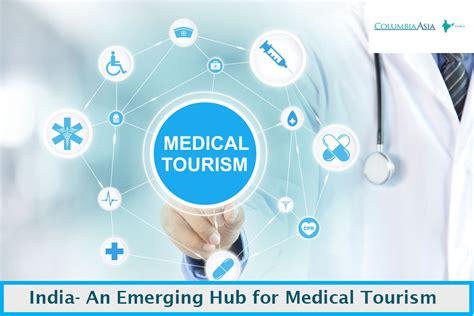
India has firmly positioned itself among Asia’s premier medical tourism destinations, joining the ranks of South Korea, Thailand, Malaysia, and Singapore in delivering affordable, world-class healthcare to international patients. As healthcare costs in Western nations continue to soar, India offers a compelling alternative—combining state-of-the-art medical facilities, internationally accredited hospitals, and highly skilled doctors with treatment prices that are often 80% to 90% lower than those in the United States or Europe. This transformation reflects India’s strategic investments in healthcare infrastructure and its determination to become a global leader in medical tourism.
The Indian medical tourism industry has seen exponential growth in recent years, with an increasing influx of patients from Africa, the Middle East, Europe, and North America seeking specialized treatments ranging from cardiac surgeries and orthopedic procedures to oncology, fertility treatments, and Ayurvedic therapies. Cities like Delhi, Mumbai, Chennai, and Bangalore have emerged as medical tourism hotspots, offering cutting-edge technology and internationally benchmarked care at a fraction of the cost found in developed nations.
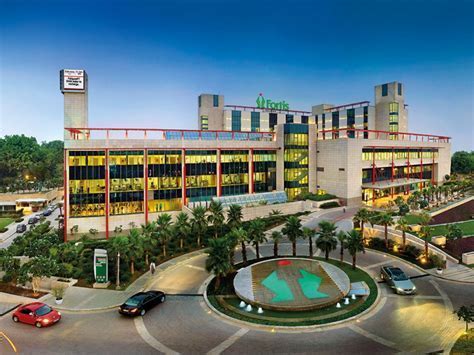
One of the most attractive aspects of seeking medical care in India is the sheer cost advantage without compromising quality. For instance, a heart bypass surgery that could cost upwards of $100,000 in the United States is available for as low as $5,000 in India. Similarly, orthopedic surgeries, organ transplants, and cancer treatments are offered at rates that are remarkably competitive, drawing patients who are looking for both savings and excellence in care. This cost-effectiveness is complemented by the presence of hospitals such as Apollo Hospitals, Fortis Healthcare, Medanta – The Medicity, and Max Healthcare, all of which are equipped with advanced diagnostic tools, robotic surgical systems, and internationally trained medical personnel.
The country’s medical visa policy has further facilitated its rise as a healthcare destination. India provides a streamlined medical visa process, offering international patients an easier pathway to access healthcare services. The government’s efforts to simplify documentation, reduce waiting periods, and offer e-visas specifically for medical travelers have significantly contributed to the sector’s robust growth.
The Unique Blend of Modern Medicine and Traditional Healing in India
Beyond its modern medical capabilities, India sets itself apart by seamlessly integrating traditional healing practices such as Ayurveda, Yoga, and Siddha medicine into its healthcare ecosystem. This holistic approach to wellness attracts not only patients in need of critical medical interventions but also those seeking preventive care, detoxification, and rejuvenation therapies. Wellness resorts in Kerala, Goa, and Rishikesh offer packages that combine medical treatments with mind-body therapies, catering to a growing demographic of health-conscious travelers seeking comprehensive healing.

India’s rise as a medical tourism hub is supported by its English-speaking medical community, eliminating language barriers that could hinder patient-doctor communication. Many Indian doctors hold international certifications or have trained in leading institutions in the UK, USA, or Australia, bringing global expertise to their practice in India. This has enhanced confidence among international patients, who increasingly choose India for complex medical procedures that demand precision, expertise, and aftercare.
India Versus Regional Competitors: The New Epicenter of Affordable Medical Excellence
India’s affordability and medical expertise make it a preferred destination over its regional peers in certain key areas. While Singapore is renowned for its premium healthcare services—including organ transplants and advanced cancer treatments—its costs are significantly higher than those in India. A liver transplant in Singapore can cost between $150,000 and $200,000, compared to India where the same procedure may be offered for $30,000 to $50,000, with no compromise on quality.
Thailand and Malaysia also attract significant medical tourism traffic, particularly in the fields of cosmetic surgery, dental procedures, and IVF treatments. However, India’s capability to offer comprehensive, high-end medical services including oncology, cardiology, and neurosurgery at unbeatable prices positions it uniquely in the region. Patients requiring major surgeries or long-term treatment plans find India to be the most cost-efficient and reliable choice.
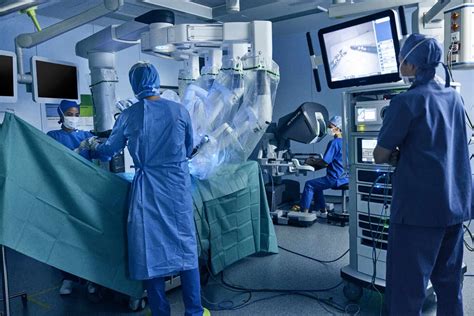
South Korea, with its leadership in cosmetic and robotic surgeries, offers innovation and precision. However, India’s focus on offering life-saving treatments alongside aesthetic procedures at competitive rates has broadened its appeal, particularly among patients from lower and middle-income countries.
Government Support and Infrastructure Development Fueling India’s Medical Tourism Growth
The Government of India has played an instrumental role in propelling the nation into the medical tourism spotlight. Initiatives like the Heal in India campaign are aimed at branding the country as a trusted destination for medical travelers. Investments in infrastructure development, including expansion of air connectivity, dedicated medical tourism corridors, and digital health initiatives, ensure that patients can access high-quality services efficiently.
Furthermore, India’s telemedicine platforms and AI-driven diagnostics have enabled preliminary consultations and post-treatment follow-ups, making medical journeys smoother for international patients. The combination of public-private partnerships, policy reforms, and healthcare innovations has reinforced India’s standing in the global medical tourism arena.
The Future of India’s Medical Tourism: Opportunities and Challenges
As India continues to climb the ladder in global healthcare rankings, it faces both opportunities and challenges. The ongoing development of specialized medical hubs, improved hospital accreditation standards, and the rise of digital health solutions will likely bolster the sector’s growth. India’s strength lies not only in its affordability, but in its capacity to deliver high-quality outcomes across a vast range of medical specialties.
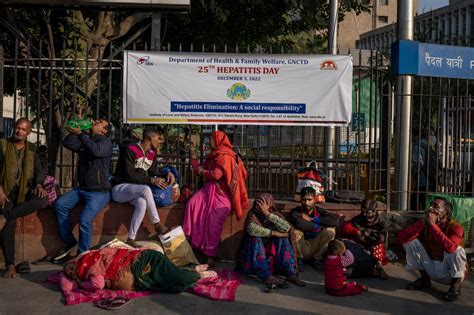
However, challenges such as ensuring uniform standards of care across urban and rural regions, maintaining hospital accreditation, and addressing concerns about overcrowding in popular medical hubs must be tackled to sustain this momentum. There is also a growing need to invest further in patient experience, including personalized care, language assistance for non-English speakers, and post-treatment recovery facilities.
Despite these challenges, India’s position as a medical tourism powerhouse is undeniable. Its ability to provide advanced healthcare solutions at prices that are accessible to a broad demographic of global patients ensures that it will continue to attract those seeking both medical excellence and cost savings. As the world becomes increasingly connected and patients more informed about their healthcare options, India’s role in reshaping the future of medical travel is set to expand, bringing cutting-edge care to those who need it most without the prohibitive costs of Western healthcare systems.