In an era where medical tourism is rapidly reshaping global travel trends, South Korea has emerged as a trailblazer, joining forces with powerhouses like Singapore, Malaysia, Turkey, Thailand, Israel, and the United Arab Emirates to redefine the boundaries of health travel. Far beyond traditional treatments and spa retreats, these nations are ushering in a future where borders blur in the pursuit of advanced healing. At the heart of this transformation lies a South Korean breakthrough that promises to supercharge the global medical tourism industry: a revolutionary treatment capable of reprogramming cancer cells into healthy ones—without relying on chemotherapy or radiation.
This isn’t simply another advancement in oncology. It’s a seismic shift that could elevate South Korea as a premier destination for patients worldwide, blending cutting-edge science with a tradition of precision healthcare. As travelers increasingly seek more than just leisure from their journeys, health-driven travel is becoming the new frontier—and South Korea is at its forefront.
The Science Behind South Korea’s Medical Breakthrough
In a remarkable feat of biomedical engineering, researchers at the Korea Advanced Institute of Science and Technology (KAIST) have unveiled a digital twin system known as BENEIN. This sophisticated simulation platform maps the genetic circuitry of cancer cells, allowing scientists to understand, predict, and crucially—alter their behavior. Unlike traditional therapies that aim to eradicate tumors through toxic agents, this method takes a gentler, smarter approach: it reprograms malignant cells, transforming them back into their normal, healthy state.
The initial trials have focused on colorectal cancer, a leading cause of cancer-related mortality worldwide. By disabling just three specific genes within tumor cells, researchers were able to halt tumor growth entirely. Even more astonishing was the absence of the typical side effects associated with conventional treatments. No hair loss, no debilitating fatigue, no immune suppression—only the promise of healing through cellular redemption.
This advancement not only positions South Korea as a leader in next-generation oncology, but also challenges established medical paradigms, inviting patients to reconsider where—and how—they seek care.
How South Korea’s Medical Tourism Model Stands Apart
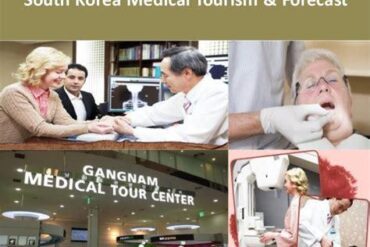
South Korea’s medical tourism appeal has long been fueled by its reputation in cosmetic surgery, robotic procedures, and dental care. However, this new frontier in cancer treatment adds an unprecedented layer of depth to its offerings. With facilities that seamlessly integrate technology, comfort, and care, the country is transforming into a magnet for patients seeking minimally invasive solutions delivered in state-of-the-art settings.
What distinguishes South Korea’s model is its holistic vision. From Seoul’s high-tech cancer centers to Jeju’s serene recovery retreats, the infrastructure is designed to support not just the patient, but their families—providing spaces that promote wellness, mental health, and recovery in tandem.
A Global Shift in Health Tourism Dynamics
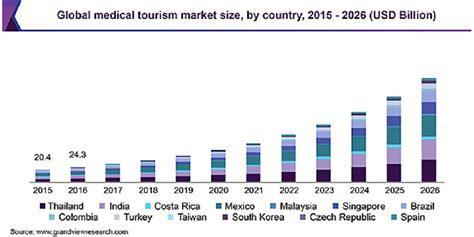
The ripple effects of South Korea’s breakthrough extend far beyond its borders. Countries like Singapore continue to lead in precision diagnostics and personalized care, while Malaysia positions itself as a hub for affordable, high-quality treatments. Turkey dominates the aesthetic medicine space, Thailand merges ancient healing with modern science, and the UAE offers a unique blend of luxury and wellness. Now, with this medical revolution, South Korea adds a new, powerful dimension to Asia’s collective health tourism arsenal.
The competitive landscape is transforming rapidly. Destinations are no longer just about cost or convenience—they are about access to innovation. Patients from Europe, North America, and the Middle East are increasingly willing to cross oceans for treatments that offer not only survival but an improved quality of life.
The Future of Curative Travel: Beyond Wellness Tourism
The advent of curative travel marks a significant evolution from traditional wellness tourism. Whereas the latter focused on rejuvenation through spa therapies and holistic retreats, curative travel is rooted in scientific breakthroughs and medical interventions that change the course of disease.
In this new paradigm, South Korea’s cancer reprogramming therapy could serve as the gold standard for patients seeking gentler, more effective treatments. The country’s robust research ecosystem, world-class healthcare facilities, and supportive policy framework make it an ideal destination for this emerging category of traveler—one motivated by hope and scientific promise.
Challenges and Opportunities for the Travel and Healthcare Sectors
The success of South Korea’s breakthrough raises important questions for global health policy, insurance models, and the tourism industry. As more patients opt for destination-based treatments, traditional cancer centers in the West may find themselves at a crossroads, needing to innovate or risk losing relevance in the international market.
Meanwhile, insurance providers, medical tourism facilitators, and hospitality sectors must adapt. Airlines, hotels, and concierge services in South Korea are likely to see increased demand for packages that cater specifically to medical tourists: offering privacy, comfort, and logistical support for what is often a physically and emotionally taxing journey.
There is also the potential for pan-Asian collaboration. Regional partnerships with countries like Japan, Thailand, and Singapore could create integrated care pathways, giving patients access to the best of Asian biomedical science and holistic recovery options in a single itinerary.
The Road to Global Adoption
While the BENEIN method remains in trial stages, its initial success has caught the attention of the international medical community. Cancer research institutes in Europe and the United States are closely monitoring the outcomes, eager to understand its applicability across other cancer types, including lung, breast, and pancreatic cancers.
If further trials confirm its efficacy and safety, and if regulatory bodies provide swift approvals, this technology could become available worldwide within a decade. Until then, South Korea’s medical hubs—notably Seoul and Daejeon—will likely emerge as primary destinations for those seeking access to this pioneering therapy.
Transforming Travel Into a Lifeline
What makes this breakthrough truly transformative is its potential to redefine travel itself. No longer seen purely as a leisure pursuit, travel becomes a pathway to life-saving care. Patients, once tethered to their local hospitals, are now empowered to seek the most advanced treatments globally, regardless of where they live.
For South Korea, this moment represents the culmination of decades of investment in science, technology, and healthcare infrastructure. It positions the country as both a scientific leader and a compassionate host, ready to welcome patients from around the world on their journey toward healing.
The fusion of biomedical innovation and travel freedom signals a new era—one where the question is not just where will you go next?, but how well will you return?

Final Thoughts: A New Dawn for Medical Tourism
The collaboration of South Korea, Singapore, Malaysia, Turkey, Thailand, Israel, and the UAE reflects a profound shift in global priorities. Together, these nations are proving that the future of travel is intertwined with the future of health. And in this future, South Korea’s breakthrough may not only save lives—it could inspire a worldwide reimagining of what travel, health, and hope truly mean.
As global attention turns eastward, the promise of curative travel stands as both an opportunity and a challenge—a call to reimagine the possibilities at the intersection of science, mobility, and human resilience.