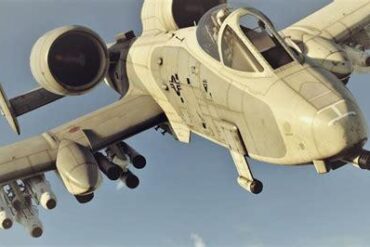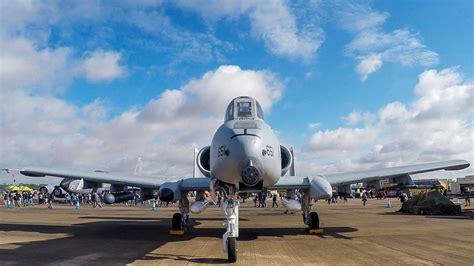
The Fairchild Republic A-10 Thunderbolt II, better known as the A-10 Warthog, remains one of the most recognizable military aircraft ever created. While many modern fighters are designed around speed, stealth, and multirole flexibility, the A-10 was built around one demanding purpose: close air support (CAS). Every major structural decision reflects that mission, from its armored cockpit to its rugged landing gear.
The aircraft was not designed to win air races or perform elegant high-altitude operations. Instead, it was engineered for the harsh environment directly above the battlefield, where pilots must fly low, identify targets, protect friendly forces, and survive intense ground fire. The A-10’s unusual appearance is not the result of outdated engineering. It is the result of an uncompromising design philosophy focused on survivability and battlefield effectiveness.
Unlike many combat aircraft that evolved from broader fighter roles, the A-10 was created specifically to support soldiers on the ground. Its structure combines protection, endurance, control, and reliability in ways that continue to make it valuable decades after entering service.
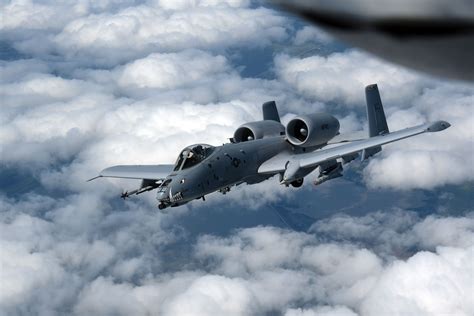
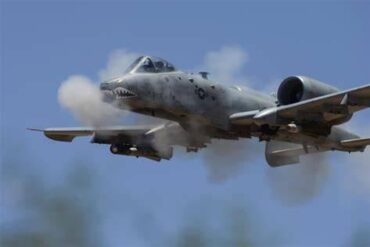
The aircraft’s reputation often centers around its massive GAU-8 Avenger cannon, but the gun alone does not explain the Warthog’s success. The true strength of the A-10 comes from the way its entire airframe works together. Its five major structural advantages demonstrate why it became one of the most effective close air support platforms ever developed.
1. Titanium Armored Cockpit Designed To Protect The Pilot
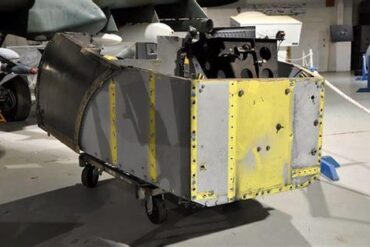
One of the most famous structural features of the A-10 Warthog is its heavily armored cockpit, often described as a titanium “bathtub.” This unique structure surrounds the pilot with approximately 1,200 pounds (544 kilograms) of titanium armor, creating a protective shell capable of absorbing severe battlefield damage.
Close air support missions place aircraft in some of the most dangerous operating environments in modern warfare. Unlike high-altitude bombers or long-range strike aircraft, the A-10 frequently operates close to enemy positions. It may face small arms fire, anti-aircraft weapons, missile threats, and explosive fragments from ground combat.
The titanium armor was designed around a simple but important principle: protecting the pilot preserves the aircraft’s ability to continue the mission. A damaged aircraft can sometimes return to base, but a wounded or incapacitated pilot cannot complete the task.
The armor is integrated into the structure rather than added as an external protection system. This approach gives the A-10 a level of battlefield resilience that few aircraft possess. The cockpit is not simply a place where the pilot sits; it is a hardened survival compartment built into the aircraft’s core design.
This protection also reflects a broader difference between the A-10 and many other fighters. A fast aircraft may avoid threats by staying higher or moving quickly, but the Warthog accepts that it will operate close to danger. Therefore, survivability must come from absorbing damage rather than avoiding every threat.
The result is an aircraft that can continue flying after suffering hits that might disable less rugged platforms. This ability has become one of the defining characteristics of the A-10’s identity.
2. Large Straight Wings Provide Exceptional Low-Speed Control
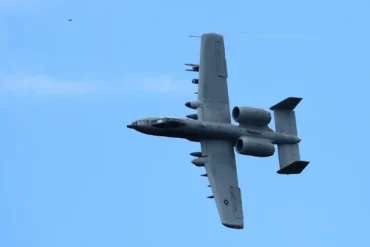
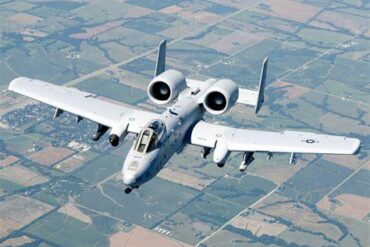
The A-10’s broad, straight wing is another major structural advantage that separates it from traditional fighter aircraft. With a wingspan of more than 57 feet (17.4 meters), the Warthog’s wing was designed for stability, maneuverability, and endurance rather than maximum speed.
Fast modern fighters often use swept wings optimized for supersonic performance. However, close air support requires a different approach. Pilots need to remain over the battlefield, make precise adjustments, visually identify targets, and coordinate closely with ground forces.
The A-10’s straight wing provides excellent handling at lower speeds and altitudes. This allows pilots to maintain control while operating close to terrain and friendly forces. The aircraft can perform repeated attack passes while remaining stable and predictable.
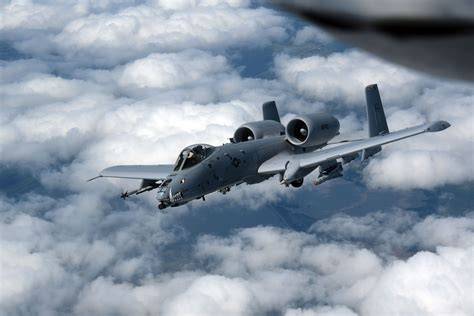
The wing also contributes to the aircraft’s impressive loiter capability. In close air support operations, time above the battlefield is often more valuable than raw speed. Ground commanders may need immediate assistance, and an aircraft that can remain nearby has a significant operational advantage.
The A-10’s wing design allows it to stay in the fight longer, observe developing situations, and react quickly when new threats appear. This patience in the air is one of the reasons ground troops have historically valued the aircraft.
The structure represents a different interpretation of combat aviation. Instead of focusing on reaching the target as quickly as possible, the A-10 was designed to remain available when the battlefield becomes unpredictable.
3. High-Mounted Twin Engines Improve Survivability
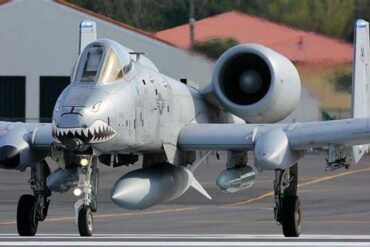
The A-10’s unusual engine placement is one of its most recognizable structural features. The aircraft uses two General Electric TF34 turbofan engines, each producing approximately 9,065 pounds of thrust, mounted high on the rear fuselage above the wings.
This arrangement provides several advantages specifically suited for close air support missions.
First, the elevated engine position helps protect the engines from debris and foreign object damage. Since the A-10 was designed to operate from forward airfields and rough locations, keeping the engines away from runway debris improves reliability.
Second, the separation between the two engines increases survivability. If one engine is damaged during combat, the aircraft still has another power source available. For an aircraft operating at low altitude near hostile forces, engine redundancy can make the difference between returning safely and losing the aircraft.
The engine placement also contributes to reducing the aircraft’s vulnerability from certain angles. The tail structure partially shields the engines, helping reduce their exposure compared with conventional under-wing engine designs.
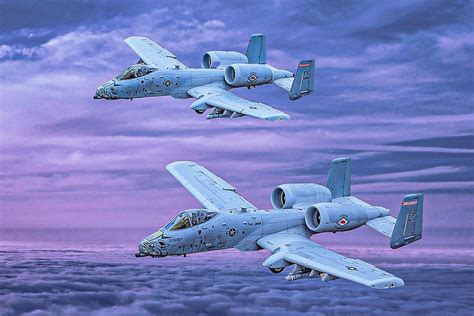
The high-mounted engines demonstrate how the A-10 was designed around battlefield realities rather than conventional aircraft aesthetics. The arrangement may look unusual, but every element serves a practical purpose.
The Warthog was never intended to be visually elegant. It was intended to survive difficult missions, operate from challenging locations, and continue supporting troops even after suffering damage.
4. Redundant Flight Controls Allow The Aircraft To Keep Flying
A combat aircraft’s strength is not only measured by how much damage it can resist. It is also measured by whether it can remain controllable after damage occurs.
The A-10 was designed with this philosophy through its redundant hydraulic flight-control systems and manual backup controls. If hydraulic systems are damaged, the pilot can still use manual reversion to maintain control of the aircraft.
This feature is especially important because close air support missions expose aircraft to threats that can damage critical systems. Hydraulic lines, control surfaces, and other components are vulnerable in any combat aircraft, but the A-10 was designed with the expectation that failures could happen.
A famous example occurred during the Iraq War in 2003 when Captain Kim Campbell successfully landed a heavily damaged A-10 after losing hydraulic control and relying on manual reversion systems.
The event demonstrated the value of designing an aircraft around survival after damage rather than perfect operation under ideal conditions.
From a structural perspective, redundancy gives the A-10 an additional layer of protection. Armor helps prevent catastrophic damage, but backup systems help ensure that the aircraft remains usable after damage occurs.
For close air support, this capability is extremely valuable. The aircraft may be hit while protecting ground troops, but its design gives pilots the possibility of completing the mission or safely returning home.
5. Rugged Landing Gear Supports Forward Battlefield Operations
The A-10’s landing gear may not attract the same attention as its cannon or armor, but it plays a critical role in its close air support mission. The aircraft was designed to operate from locations closer to combat zones, including less-developed airfields and austere bases.
With a maximum takeoff weight of approximately 51,000 pounds (23,133 kilograms), the A-10 is a heavy aircraft. Yet its landing gear was built for durability and repeated operations under difficult conditions.
The rugged undercarriage allows the aircraft to use shorter and less-prepared runways compared with many high-performance fighters. This provides operational flexibility by allowing commanders to position aircraft closer to the troops they support.
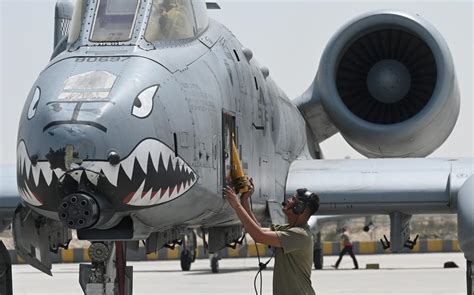
Operating closer to the battlefield reduces response time. In close air support, minutes can determine whether friendly forces successfully hold a position or suffer heavy losses.
The A-10’s landing gear design also includes another survivability advantage. The partially exposed wheels reduce the risk of catastrophic damage during emergency gear-up landings. Instead of maximizing aerodynamic perfection, the design prioritizes recovery and durability.
This philosophy appears throughout the aircraft. The A-10 does not sacrifice usefulness for appearance. Every structural choice supports the reality of combat operations.
Why The A-10 Warthog’s Structure Still Matters
The A-10 Warthog remains a remarkable example of mission-focused aircraft engineering. Its success does not come from having the fastest engines, the most advanced sensors, or the newest technology. Its strength comes from a structure designed around one clear objective: keeping the aircraft effective in the most dangerous parts of the battlefield.
The armored titanium cockpit protects the pilot. The straight wings provide low-speed control and long endurance. The high-mounted engines improve survivability and reliability. The redundant flight controls allow the aircraft to continue operating after damage. The rugged landing gear enables operations from challenging locations.
Together, these features create an aircraft unlike almost any other military platform.
The A-10 represents a different approach to combat aviation. Instead of avoiding damage completely, it was designed to survive it. Instead of prioritizing speed alone, it prioritizes persistence and precision. Instead of being a general-purpose fighter adapted for ground attack, it was created specifically for the troops fighting below.
That structural philosophy explains why the Warthog has remained respected by pilots, maintainers, and ground forces around the world. The A-10 is not simply an aircraft built to attack targets. It is an aircraft built to stay alive while protecting those who depend on it.