Air transport stands as a cornerstone in modern logistics and global mobility, offering unmatched speed, reach, and reliability. As global economies intertwine, the ability to move goods and people swiftly and efficiently across vast distances has become more crucial than ever. Air transport, once primarily associated with passenger movement, now plays a pivotal role in cargo transportation, enabling industries to function in real-time across continents.
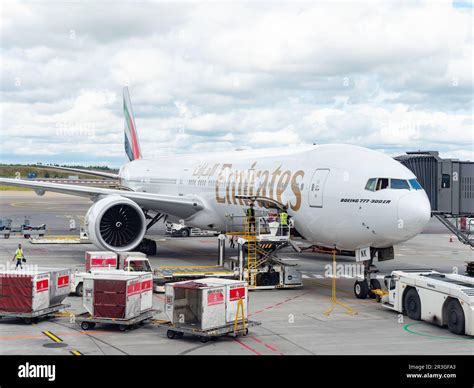
The evolution of air freight services has introduced aircraft specifically tailored to meet the growing demands of commercial shipping. These planes are engineered with specialized compartments and optimized cargo handling systems to ensure that delivery is not only fast, but also secure and cost-effective — particularly for goods with high value, limited shelf-life, or requiring precise handling protocols.
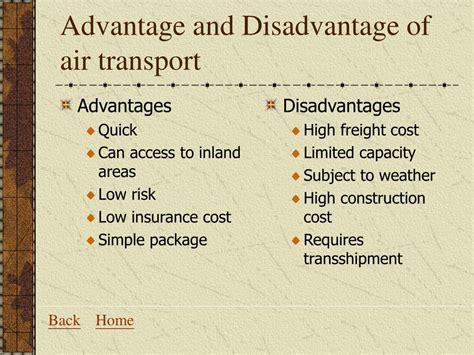
As air transport matures into an indispensable logistics solution, it becomes essential to explore both its advantages and disadvantages. This balanced understanding empowers businesses and policymakers to make informed decisions when selecting the optimal mode of transport.
Key Advantages of Air Transport
1. Rapid Delivery Across Long Distances
Speed is the hallmark of air transportation. No other mode matches its capacity to deliver cargo and passengers over intercontinental distances within hours. This attribute is especially vital for sectors such as pharmaceuticals, electronics, and fashion retail, where time-sensitive delivery can make or break supply chains.
With thousands of daily flights connecting major economic hubs, goods dispatched via air can reach international destinations within 24 to 48 hours — a feat unattainable by road, sea, or rail transport.
2. Minimal Physical Barriers
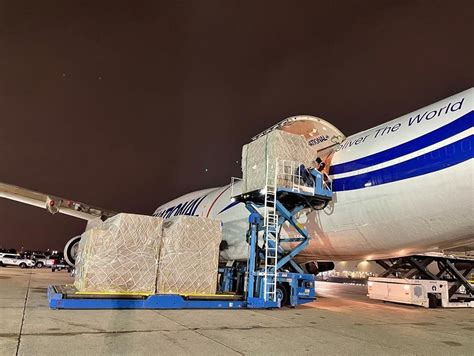
Unlike road or rail transport, which must contend with geographical constraints, air transport operates with relative freedom. Mountains, rivers, deserts, and other natural obstacles pose no hindrance to aircraft. Additionally, air routes avoid the traffic congestion that often plagues terrestrial transport.
This geographic independence enables consistent, uninterrupted service, making air transport a dependable solution in regions where land infrastructure is underdeveloped or compromised.
3. High Level of Reliability
The global aviation industry is supported by stringent maintenance protocols, regulatory oversight, and advanced scheduling systems, making it one of the most reliable forms of transportation. Airlines operate on strict timetables, and weather-related disruptions — though possible — are typically managed with contingency planning.
Cargo theft, a concern with some modes of transport, is significantly lower with air freight due to secured handling and airport surveillance systems.
4. Ideal for Perishable and High-Value Goods
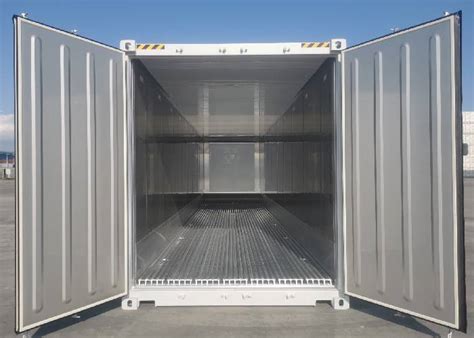
Air transport is uniquely suited to handle perishable items such as fresh produce, flowers, seafood, and biomedical supplies. With rapid transit times and climate-controlled cabins, the risk of spoilage is dramatically reduced.
Moreover, air transport is preferred for shipping luxury items, electronics, precious metals, and pharmaceuticals, where the value-to-weight ratio justifies the premium shipping cost.
5. Strategic Global Reach
Aircraft can access remote or landlocked regions more efficiently than other transport modes. In humanitarian logistics and disaster relief, where road access may be limited or nonexistent, air transport becomes the lifeline for critical supplies and medical aid.
This strategic reach also facilitates just-in-time inventory strategies, helping companies minimize warehousing costs while maintaining rapid product turnover.
Disadvantages of Air Transport
1. Elevated Transportation Costs
The most significant drawback of air transport is its high cost structure. The combination of fuel prices, airport taxes, security fees, and specialized cargo handling makes it considerably more expensive than sea or road transport.
For bulk commodities or low-value goods, air freight is economically impractical. Companies must weigh the trade-off between cost and speed to determine whether air transport aligns with their supply chain priorities.
2. Limited Cargo Capacity
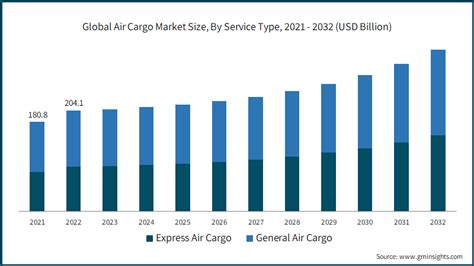
Aircraft are constrained by weight and volume limits. Compared to cargo ships or trains, they carry significantly smaller loads. As a result, air transport is ideal for lightweight, high-value, or urgent shipments, but not for heavy equipment, raw materials, or massive inventories.
For example, transporting a fleet of automobiles or industrial machinery is better suited to maritime shipping due to the scale efficiencies involved.
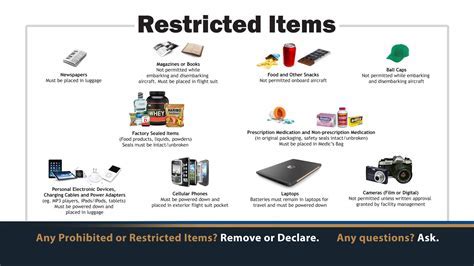
3. Restrictions on Certain Goods
Due to safety regulations and hazard classification codes, air freight cannot accommodate some materials. These include:
-
Flammable liquids and gases (e.g., petroleum products)
-
Radioactive substances
-
Explosives
-
Corrosive chemicals
Even in the case of permitted hazardous goods, stringent packaging, documentation, and inspection requirements apply, increasing the logistical complexity.
When Is Air Transport the Best Option?
Despite its limitations, air transport remains the preferred choice under certain critical conditions. Companies often turn to air freight when:
-
Speed outweighs cost: In industries where delivery timelines are non-negotiable, such as medical device manufacturing or urgent repairs, the faster option wins.
-
Destinations are remote: Many mining operations, scientific outposts, and developing regions rely on air transport as the only practical access method.
-
Goods are perishable or seasonal: Agricultural exports often depend on air freight to meet global market windows, ensuring freshness and competitive pricing.
By tailoring shipping strategies to the nature of the product and destination, businesses can maximize efficiency and customer satisfaction.
Balancing the Trade-offs in Modern Logistics
In today’s hyper-connected economy, choosing the right transportation method involves balancing speed, cost, volume, and regulatory constraints. Air transport offers undeniable advantages in specific scenarios, particularly where time sensitivity, security, and reliability are paramount. However, these benefits come at a premium, and for many supply chains, air transport is best used selectively within a broader multimodal logistics strategy.
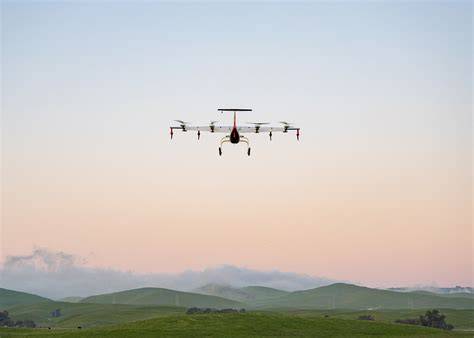
Companies must conduct regular cost-benefit analyses, taking into account evolving market conditions, customer expectations, and sustainability goals. Innovations such as electric aircraft, drone deliveries, and AI-powered logistics optimization may further reshape the future of air transport — reducing its cost barriers and expanding its use cases.
Ultimately, air transport is not a one-size-fits-all solution. But when leveraged strategically, it can deliver unmatched value and competitive advantage across industries.
What are the main advantages of air transport over sea transport?
Air transport offers faster delivery times, greater reliability, and the ability to access landlocked or remote areas. While sea transport is better for bulk goods, air freight is optimal for time-sensitive and high-value shipments.
Is air transport cost-effective for small businesses?
It can be, especially for urgent or high-margin products. Although more expensive, air transport may reduce inventory holding costs and meet customer expectations for fast delivery. Small businesses should evaluate shipping frequency, product type, and destination before committing.
What goods cannot be transported by air?
Airlines restrict or tightly control the transport of flammable liquids, gases, radioactive materials, and certain biological substances. These require specialized packaging and documentation and often must be rerouted via sea or road transport depending on their risk classification.