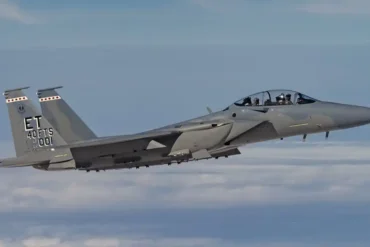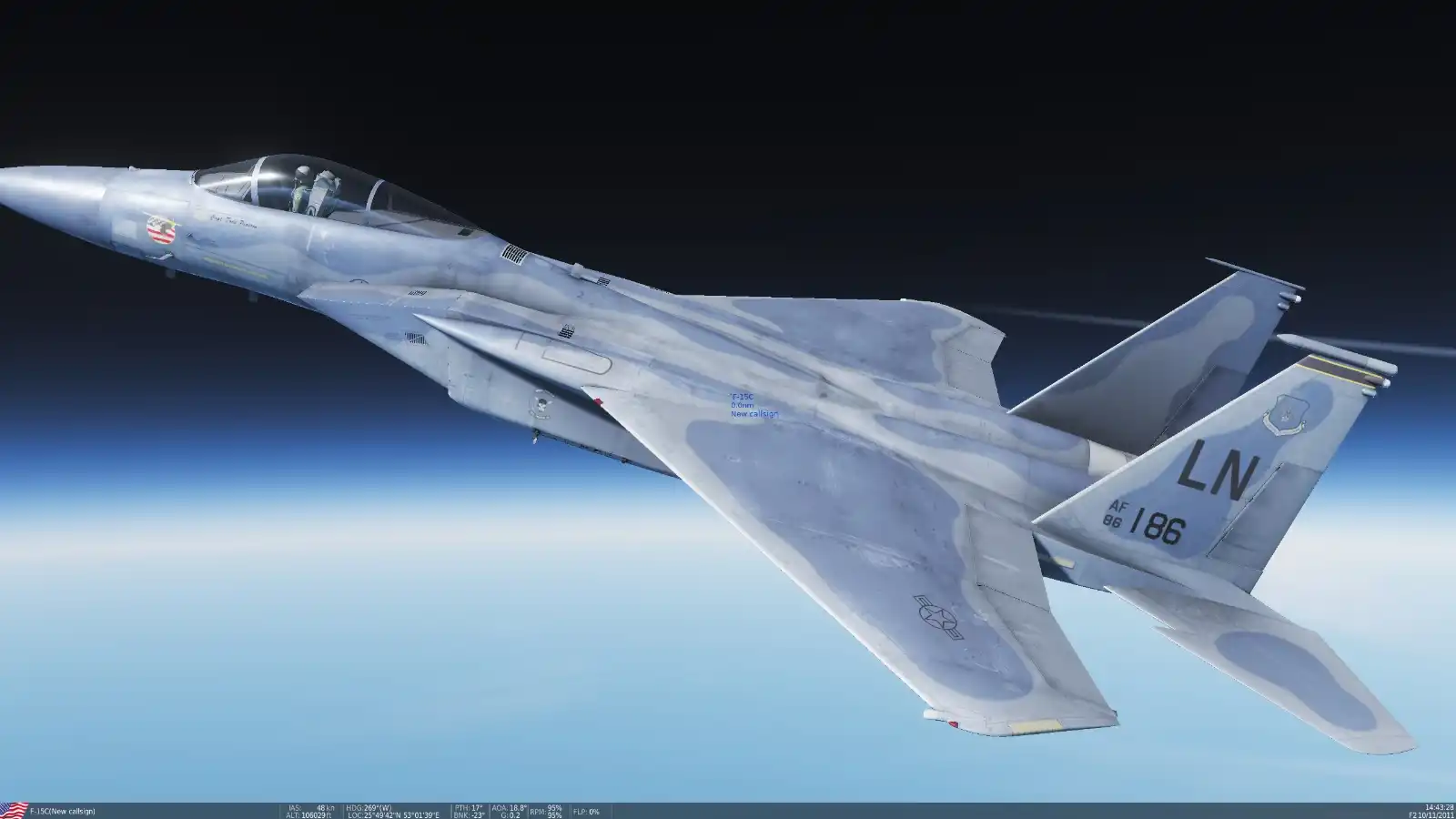
The McDonnell Douglas F-15 Eagle, now produced by Boeing, remains one of the most dominant air-superiority fighters in aviation history. Designed for high performance, maneuverability, and speed, this twin-engine tactical fighter has been a cornerstone of the U.S. Air Force since its introduction in the 1970s. One of its most significant advantages is its ability to reach extreme altitudes, granting it unparalleled air dominance.
F-15 Eagle Maximum Altitude: Key Specifications
The maximum service ceiling of the F-15 Eagle is officially listed as 18,300 meters (60,039 feet) under standard operational conditions. Some sources indicate a slightly higher ceiling, reporting values close to 19,000 meters (62,336 feet) under specific configurations. These variations arise due to differences in payload, fuel load, and atmospheric conditions.
Powering the Ascent: The F-15’s Engine Capabilities
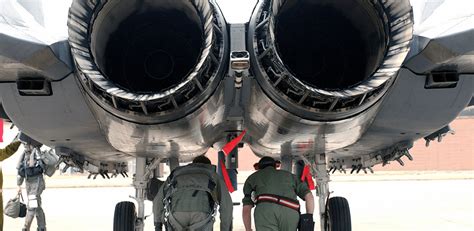
The F-15’s ability to achieve such high altitudes stems from its powerful Pratt & Whitney F100-PW-220 turbofan engines. These engines provide a combined thrust of 211.4 kN (23,780 kg), enabling the aircraft to reach extreme altitudes with remarkable speed. The thrust-to-weight ratio of early F-15 models stands at 7.8, allowing rapid vertical climbs that few fighters can match. Later variants, including the F-15EX, maintain similar high-performance metrics while improving efficiency and avionics.
The Role of Altitude in Combat Effectiveness
Reaching higher altitudes provides several combat advantages, including:
- Superior Engagement Positioning: The F-15 can engage enemies from above, utilizing gravity to accelerate attacks while making it harder for adversaries to counter.
- Avoidance of Surface Threats: Flying at extreme altitudes keeps the aircraft out of reach of many surface-to-air missiles (SAMs) and anti-aircraft artillery (AAA).
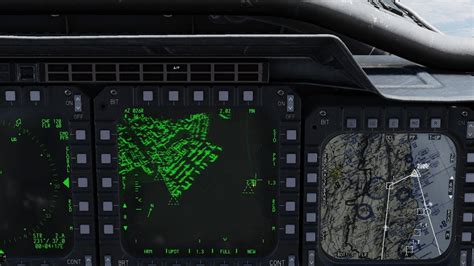
- Enhanced Radar Performance: The AN/APG-70 radar allows long-range detection (up to 160 km), giving the F-15 an edge in beyond-visual-range (BVR) combat.
F-15 Eagle Variants and Their Altitude Capabilities
F-15C and F-15D
These are the most well-known air-superiority variants, optimized for high-speed aerial engagements. The addition of conformal fuel tanks (CFTs) extends their range without compromising altitude performance.
F-15E Strike Eagle
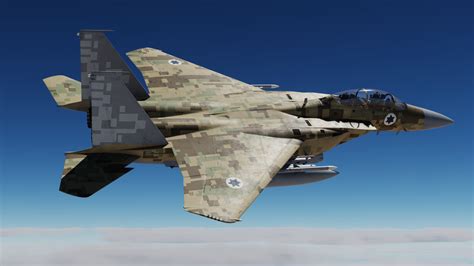
Designed as a multi-role fighter-bomber, the F-15E retains the altitude capabilities of its predecessors but carries a heavier payload, which may slightly reduce its maximum operational ceiling.
F-15EX and Export Models
The F-15EX Eagle II, along with export models like the F-15QA (Qatar) and F-15SA (Saudi Arabia), feature upgraded avionics and more efficient engines, ensuring they maintain the F-15’s legendary altitude capabilities.
How the F-15 Eagle Compares to Other Fighters
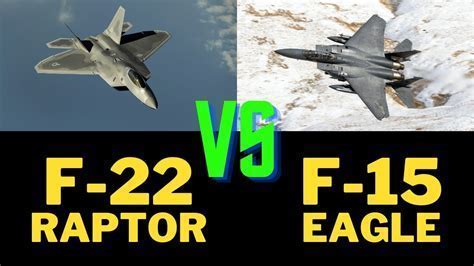
While the F-15’s service ceiling of 18,300 meters (60,039 feet) is among the highest for fourth-generation fighters, it surpasses or matches several notable aircraft:
- MiG-29 Fulcrum: ~18,000 meters
- Su-27 Flanker: ~18,500 meters
- Eurofighter Typhoon: ~19,812 meters
- F-22 Raptor: ~20,000 meters
These figures show that while newer fifth-generation aircraft like the F-22 Raptor may exceed the F-15 in altitude, the Eagle still competes effectively in high-altitude operations.
The Influence of Altitude on Speed and Performance
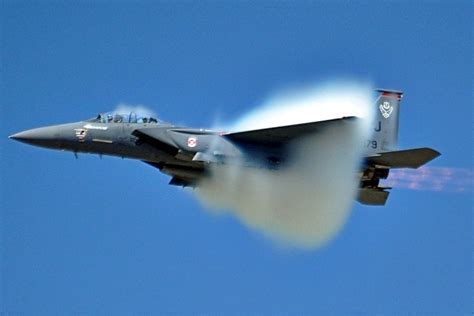
The F-15’s high altitude capabilities are complemented by its top speed of Mach 2.5 (~3,017 km/h). At these altitudes, the thinner atmosphere reduces air resistance, allowing the aircraft to sustain supersonic speeds with greater fuel efficiency. This advantage is crucial for intercepting high-speed threats and conducting rapid strategic repositioning.
Discrepancies in Reported Service Ceiling
While the official ceiling is 18,300 meters, discrepancies exist, with some sources citing values closer to 19,000 meters. These variations may be attributed to:
- Testing Conditions: Different test parameters, such as reduced payload or modified thrust settings, can yield slightly different altitude results.
- Aircraft Configuration: Certain configurations, such as clean (no external stores) vs. combat-loaded aircraft, can impact achievable altitude.
- Engine Performance: Variations in engine wear, tuning, and modifications may allow some aircraft to exceed standard specifications.
FAQ: Common Questions About the F-15’s Altitude
1. What is the highest recorded altitude achieved by an F-15?
While official figures state 18,300 meters (60,039 feet), test flights under optimal conditions have reportedly exceeded 19,000 meters (62,336 feet). However, these tests often involve stripped-down aircraft with minimal fuel and no external stores.
2. How does the F-15 Eagle compare to modern fifth-generation fighters in altitude performance?
The F-15’s service ceiling is competitive with modern fighters. The F-22 Raptor has a slightly higher limit (~20,000 meters), but the F-15EX maintains a strong presence in air-superiority missions due to its unmatched payload and avionics advancements.
3. Can the F-15 Eagle operate effectively at its maximum altitude?
Yes, but only under specific mission parameters. While combat operations typically occur at lower altitudes for maneuverability and target engagement, high-altitude flight is used primarily for strategic positioning, reconnaissance, and missile avoidance.
The F-15 Eagle remains an icon of high-altitude air superiority, capable of outclimbing and outperforming most contemporary aircraft in its class. Its unmatched combination of speed, altitude, and combat effectiveness ensures that it continues to dominate the skies well into the 21st century.