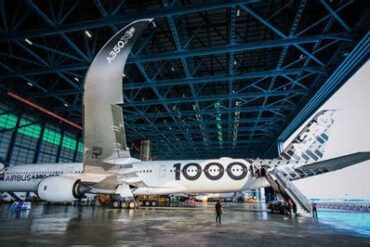
On June 13, 2025, European aerospace giant Airbus officially announced that it will commence flight testing for its highly anticipated A350-1000ULR and A350F variants in 2026. These models represent the latest evolution of the Airbus A350 family, a widebody jetliner that has defined long-haul travel for over a decade. With a robust backlog of orders stretching well into the next decade, Airbus is positioning itself to reinforce its dominance in both the passenger and freighter markets.
The announcement comes at a time of soaring demand for aircraft capable of flying farther, carrying more cargo, and operating with improved fuel efficiency. The A350-1000ULR (Ultra-Long-Range) will enable airlines to launch non-stop services that were previously impossible, while the A350F is poised to revolutionize the freighter market with advanced design features tailored for cargo operators.
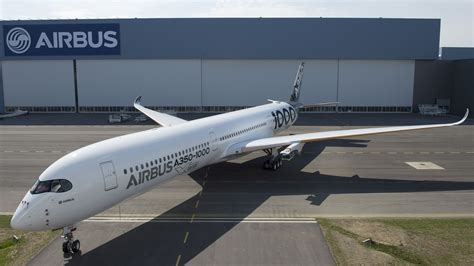
Airbus A350-1000ULR: Pushing the Limits of Ultra-Long-Haul Travel
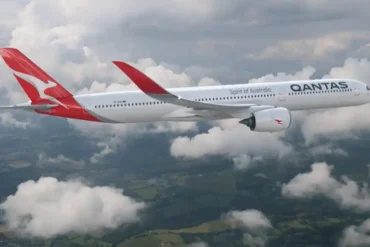
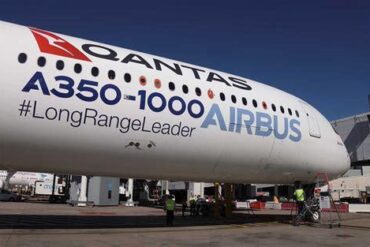
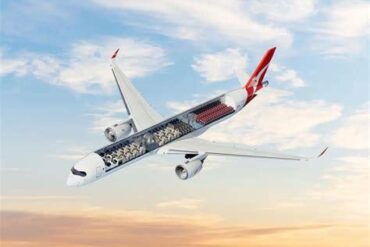
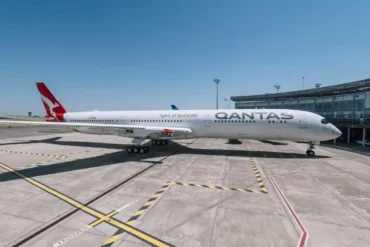
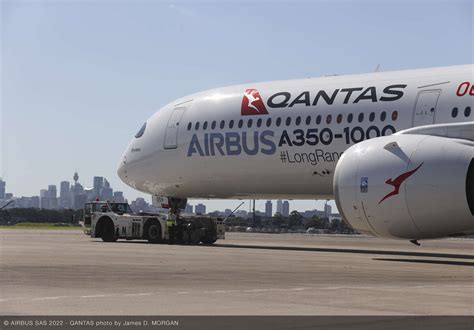
The Airbus A350-1000ULR is engineered to meet the specific demands of ultra-long-haul carriers, particularly for routes like Qantas’ Project Sunrise, which aims to connect Sydney non-stop to London and New York. This ambitious project has long represented the holy grail of commercial aviation: linking Australia directly with two of its most significant global partners.
Central to the A350-1000ULR’s capabilities is its enhanced fuel capacity, achieved through the integration of additional fuel tanks without compromising cargo or passenger space. This modification will support flight durations exceeding 19 hours, enabling airlines to offer passengers unprecedented direct connections while optimizing operational costs through reduced stopovers and ground time.
The variant will also include cabin modifications designed for long-duration comfort, incorporating features such as expanded crew rest areas, enhanced air quality systems, and adaptable cabin layouts to support wellness zones for passengers. According to Miguel Llorca, Chief Engineer of the A350 program, testing will focus on verifying fuel system performance, aerodynamic efficiency, and cabin environment systems under ultra-long-haul conditions. Airbus anticipates certification and entry into service around 2027.
The A350F: The Future of Dedicated Freighters
As global air cargo demand continues to surge, driven by e-commerce and time-sensitive goods, Airbus is advancing its most ambitious cargo aircraft to date: the A350F. Designed from the ground up as a purpose-built freighter, the A350F combines the A350’s advanced aerodynamics, composite fuselage, and fuel-efficient engines with cargo-specific enhancements.
Key features of the A350F include:
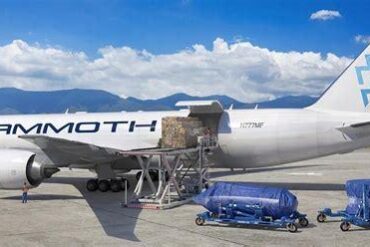
- A widened main deck cargo door to facilitate efficient loading of outsized shipments.
- Reinforced floor structures to support higher payloads without adding unnecessary structural weight.
- A strengthened fuselage to endure the rigors of intensive cargo operations.
- Dedicated spaces for couriers and secure shipments, reflecting the evolving needs of express logistics providers.
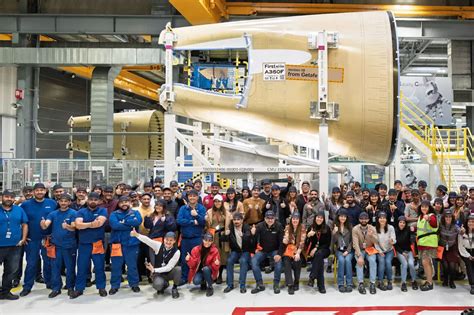
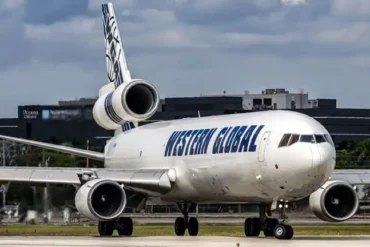
According to Julien Puyou, head of Airbus’ widebody programs, the A350F will begin flight tests by mid-2026, with production and component design underway throughout 2025. The freighter variant is scheduled to enter commercial service no earlier than 2028, aligning with cargo operators’ fleet renewal cycles as older 747 and MD-11 freighters are retired.
Market Implications and Strategic Impact for Airbus
The decision to develop the A350-1000ULR and A350F underscores Airbus’ confidence in its widebody platform and its ability to respond to shifting market dynamics. The A350 family, sold out until 2031, remains at the heart of Airbus’ long-haul strategy. With production rates targeted at 12 units per month by 2028, Airbus is gearing up to meet sustained demand from both passenger and cargo operators.
The A350-1000ULR is expected to offer airlines like Qantas a competitive edge in the ultra-long-haul segment, allowing them to tap into premium passenger demand for direct, point-to-point services. For Airbus, success in this niche could help the manufacturer counter Boeing’s ambitions with its 777X series, which has been positioned for similar missions.
Meanwhile, the A350F positions Airbus as a serious challenger in the dedicated freighter sector, long dominated by Boeing’s 747-8F and 777F. As environmental regulations tighten, the A350F’s modern, efficient design could prove compelling to carriers seeking to reduce emissions while maximizing payload-range performance.
Technical and Operational Challenges Ahead
While Airbus’ vision for the A350 variants is ambitious, significant technical challenges remain. The A350-1000ULR will undergo extensive validation of its fuel systems to ensure safety and efficiency over record-breaking distances. Engineers must ensure that added fuel capacity does not adversely affect aerodynamics, weight distribution, or maintenance requirements.
For the A350F, the task is equally complex. Converting a passenger airframe to meet the demanding needs of cargo operations requires meticulous reinforcement of structures, recalibration of systems for heavier loads, and integration of specialized cargo-handling equipment. The extended test campaign planned through 2026 will be critical to ironing out these challenges before certification.
A Vision for the Future of Aviation
The launch of flight tests for these A350 variants represents more than an incremental step in product development; it is a bold statement of Airbus’ intent to shape the future of aviation. By focusing on ultra-long-range travel and next-generation freighters, Airbus is addressing the two sectors expected to drive growth and innovation in the coming decades.
As airlines and cargo operators navigate a rapidly changing landscape marked by environmental pressures, evolving passenger expectations, and technological advancements, the A350-1000ULR and A350F promise to deliver the performance, efficiency, and flexibility required to succeed.
The first test flights of these remarkable aircraft, scheduled for 2026, will be watched closely by the industry, as they mark the beginning of a new chapter in Airbus’ storied history.