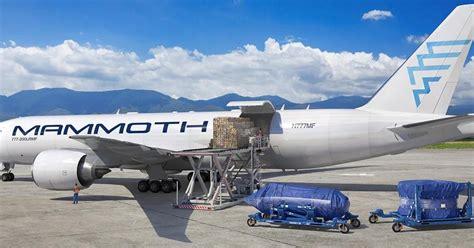
The Federal Aviation Administration (FAA) has officially certified Mammoth Freighters’ Boeing 777-200LR passenger-to-freighter conversion, marking a decisive moment in the evolution of long-haul cargo aviation. This approval transforms one of the most specialized passenger aircraft ever built into a next-generation widebody freighter, poised to reshape global logistics networks with its unmatched range and payload capabilities.
The certification is more than a regulatory checkbox—it represents the culmination of years of engineering rigor, structural redesign, and performance validation. With the green light secured, the 777-200LR(MF) is now cleared for commercial cargo operations, opening the door for operators seeking efficiency across intercontinental freight routes.
A Strategic Breakthrough in Widebody Freighter Development
Mammoth Freighters’ success in achieving FAA certification underscores the growing importance of passenger-to-freighter (P2F) programs in modern aviation. As legacy passenger aircraft age out of airline fleets, conversion programs offer a compelling second life—particularly for aircraft like the Boeing 777-200LR, which was originally engineered for extreme range rather than high passenger volume.
The newly certified freighter variant delivers a powerful combination of:
- Ultra-long-haul range, exceeding many existing cargo aircraft
- High payload efficiency, optimized for dense and lightweight freight
- Operational reliability, leveraging the proven 777 platform
This blend positions the aircraft as a premium solution for global cargo operators, especially those managing time-sensitive, long-distance logistics chains.
Engineering Precision Meets Regulatory Scrutiny
Earning FAA certification required Mammoth Freighters to subject the aircraft to an exhaustive validation process. Every aspect of the conversion—from structural reinforcements and cargo door installation to avionics integration and flight performance—was rigorously tested under real-world conditions.
The result is a freighter that not only meets but exceeds the demanding standards required for commercial cargo service. Mammoth’s leadership emphasized that the certification reflects deep collaboration with regulators and a disciplined engineering philosophy focused on safety and performance.
From Delta Passenger Jet to Next-Gen Freighter
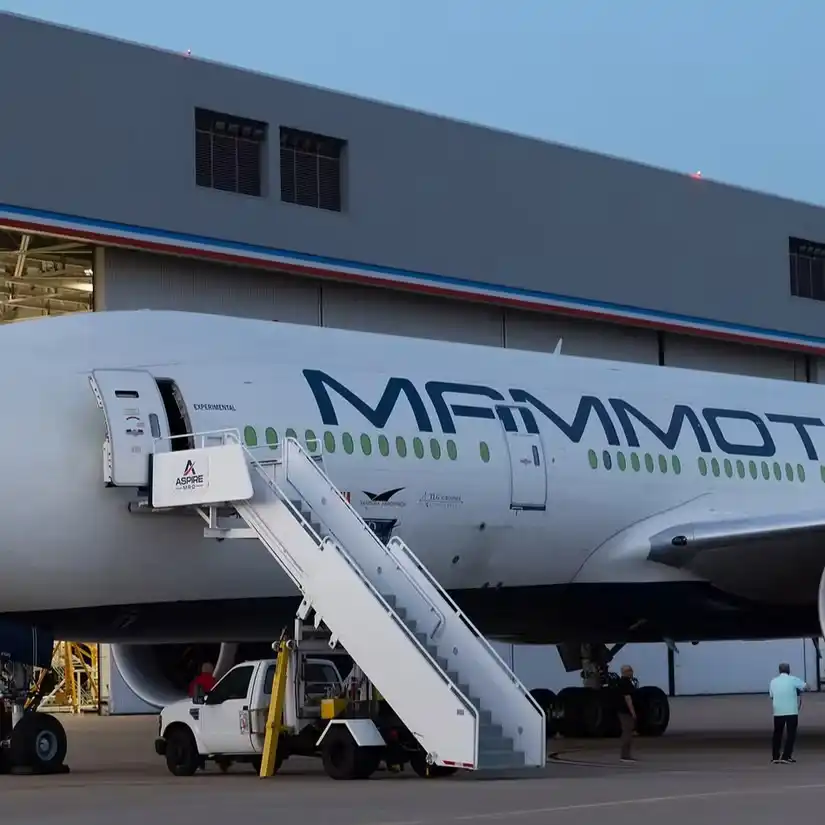
The first certified aircraft, registered N705DN, carries a history that mirrors the broader transformation of the aviation industry. Delivered to Delta Air Lines in 2009, the aircraft initially operated with a three-class configuration, serving long-haul passenger routes during a period when ultra-long-range travel was expanding rapidly.
However, the global aviation downturn in 2020 accelerated its retirement from passenger service. After being placed into storage in Victorville, California, and later Moses Lake, Washington, the aircraft found new purpose under the ownership of leasing company Jetran.
Its journey continued at Perot Field Fort Worth Alliance Airport in Texas, where Mammoth Freighters conducted the intricate conversion process. What emerged is not merely a modified aircraft, but a re-engineered logistics platform designed for the demands of modern air cargo.
A Demanding Flight Test Campaign Proves Capability
Before certification, the 777-200LR(MF) underwent a comprehensive flight test program that demonstrated its readiness for operational deployment. Beginning in late 2025, the aircraft conducted a series of extended-duration flights, some lasting up to eight hours, to validate performance across a wide range of conditions.
These test flights were not symbolic—they were essential in proving:
- Structural integrity under cargo loads
- Flight handling characteristics post-conversion
- Fuel efficiency across long-haul missions
The aircraft’s ability to consistently meet performance benchmarks reinforced confidence in its role as a high-capability, long-range freighter.
Why the 777-200LR Is Ideal for Cargo Transformation
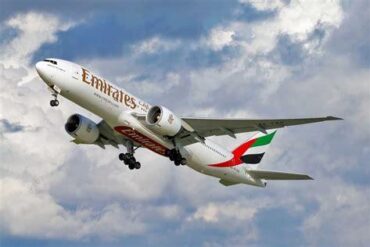
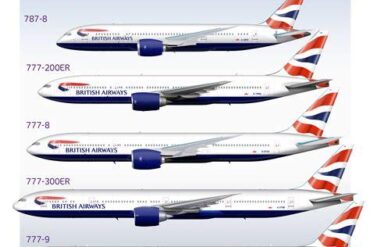
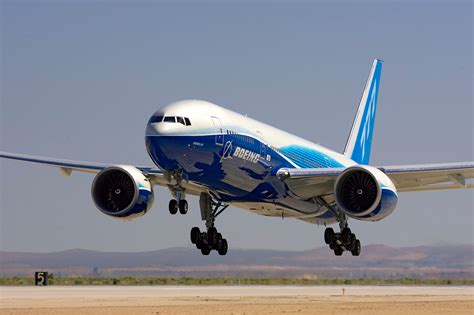
Originally designed to connect distant city pairs nonstop, the Boeing 777-200LR boasts a range advantage of over 1,000 nautical miles compared to its sibling, the 777-300ER. While this capability was underutilized in passenger operations, it becomes a decisive asset in cargo service.
For freight operators, this means:
- Fewer stopovers, reducing transit times
- Lower operational complexity, especially on intercontinental routes
- Expanded network flexibility, enabling direct connections between cargo hubs
In an industry where time and efficiency directly impact profitability, the 777-200LR(MF) offers a distinct competitive edge.
Global Operators Already Lining Up
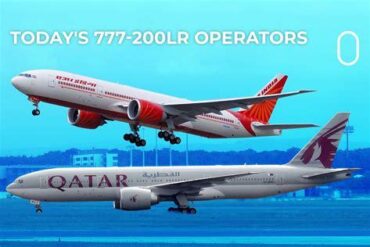
Demand for the converted freighter is already materializing. Leasing firm Jetran, the launch customer, has indicated that the aircraft will serve major global players, including DHL, Qatar Airways, and Ethiopian Airlines—all of which operate extensive cargo networks.
Notably, existing 777-200LR passenger operators are well-positioned to transition into the freighter variant, leveraging fleet commonality and operational familiarity. This creates a seamless pathway for airlines to expand cargo capacity without introducing entirely new aircraft types.
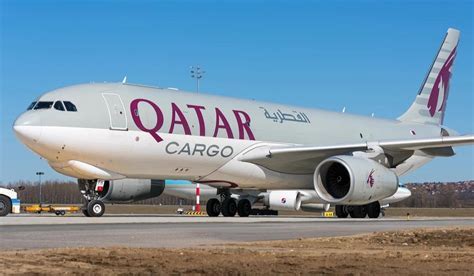
Current data suggests that the first converted aircraft will ultimately join Qatar Airways Cargo, one of the world’s leading air freight carriers, further validating the platform’s commercial appeal.
A Defining Moment for Long-Haul Air Cargo
The FAA certification of the Mammoth 777-200LR(MF) signals more than the arrival of a new freighter—it marks a shift in how the aviation industry approaches asset lifecycle and cargo strategy. By unlocking the latent potential of ultra-long-range passenger aircraft, Mammoth Freighters has introduced a solution that aligns perfectly with the evolving demands of global trade and e-commerce.
As supply chains become more complex and time-sensitive, aircraft capable of flying farther, carrying more, and operating efficiently will define the next generation of air cargo. The 777-200LR(MF) steps into this role with authority, transforming a once-niche passenger jet into a cornerstone of future freight operations.