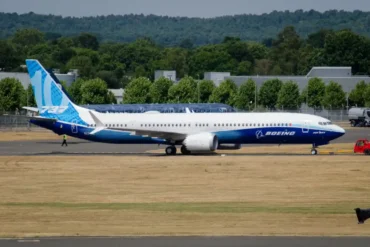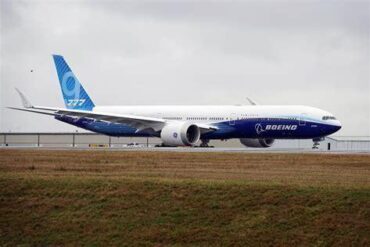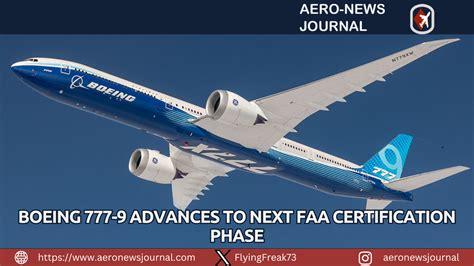
The long-delayed Boeing 777-9 program has taken a decisive step forward, signaling renewed momentum for one of the most anticipated widebody aircraft in modern aviation. After years of setbacks, regulatory scrutiny, and shifting timelines, the latest clearance from the Federal Aviation Administration marks a turning point that industry observers have been waiting for with cautious optimism.
This milestone allows the aircraft to move into Phase 4A of the Type Inspection Authorization (TIA) process—an advanced stage in the rigorous certification journey required before any commercial aircraft can enter service. While it does not yet guarantee imminent delivery, it represents meaningful progress in a program that has stretched patience across airlines, investors, and aviation enthusiasts alike.
For a jet that promises to redefine long-haul efficiency, capacity, and passenger comfort, the stakes could not be higher. And now, finally, the narrative is beginning to shift from delay to delivery.
FAA Green Light Pushes the 777-9 Into Critical Testing Territory
The latest approval enables Boeing to proceed deeper into certification, where testing becomes increasingly complex and comprehensive. Phase 4 is split into 4A and 4B, both of which involve extensive system validation, operational assessments, and real-world performance evaluations under varying conditions.
Unlike earlier phases, which focus heavily on design verification and initial flight testing, this stage simulates how the aircraft behaves in operational scenarios. Everything from avionics performance to environmental resilience is scrutinized with precision.
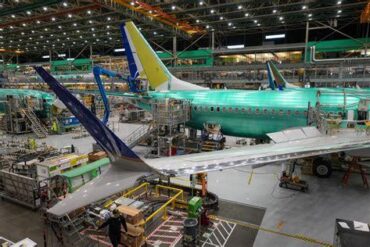
What makes this moment especially significant is Boeing’s ability to run multiple certification phases simultaneously. With several test aircraft already built, the manufacturer can accelerate timelines by conducting parallel evaluations—an approach that could help recover some of the years lost to delays.
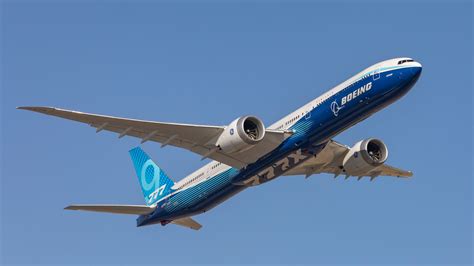
Despite this progress, the path ahead remains demanding. Certification is expected around 2027, and even after completing all five phases, additional validation flights using delivery-ready aircraft will still be required.
A Six-Year Delay That Reshaped Airline Strategies
The 777-9’s development has been anything but smooth. Originally expected to enter service in the early 2020s, the program has now been delayed by more than six years. These setbacks have come at a substantial cost—not only to Boeing but also to its airline customers.
Carriers that had planned their fleet renewal strategies around the aircraft were forced to adapt quickly. Instead of phasing out older, less efficient jets, many airlines had to retain aging aircraft longer than anticipated, invest in costly retrofits, or even reactivate planes previously slated for retirement.
This disruption has had a cascading effect across global fleets, particularly during a period of post-pandemic travel resurgence, where demand has surged faster than expected. Airlines suddenly found themselves needing capacity they had planned to replace.
The 777-9, designed as a next-generation flagship, was supposed to arrive precisely at this moment. Instead, its absence reshaped the industry’s recovery strategy.
Lufthansa Positioned as Launch Customer in 2027
Among the airlines most closely tied to the 777-9’s timeline is Lufthansa. The carrier is widely expected to become the launch operator, with deliveries anticipated in early 2027.
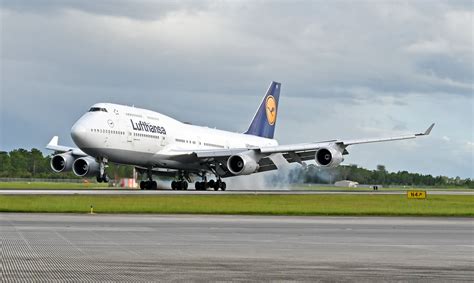
For Lufthansa, the aircraft represents more than just a fleet addition—it is central to a long-term modernization strategy. The airline had initially planned to replace its iconic four-engine aircraft, including the Boeing 747-400 and Airbus A340, with the more efficient twin-engine 777-9.
However, delays forced the airline to reverse course temporarily, bringing older aircraft back into service to maintain capacity. Even the massive Airbus A380, once considered for retirement, was reintroduced into operations.
The 777-9 promises to resolve this imbalance. With its advanced aerodynamics, folding wingtips, and fuel-efficient engines, it offers near-747 capacity with significantly lower operating costs. Lufthansa’s phased retirement plan for older aircraft now hinges on the 777-9 finally arriving as expected.
Emirates Faces the Biggest Impact—and Opportunity
No airline has more riding on the 777-9 than Emirates. As the program’s largest customer, Emirates has placed orders for hundreds of 777X aircraft, including both the -8 and -9 variants.
The airline’s long-term vision involves replacing a substantial portion of its Airbus A380 fleet with the new twinjet. While the 777-9 cannot fully replicate the A380’s capacity, it offers unmatched flexibility and efficiency for high-demand routes.
In response to delays, Emirates launched a multi-billion-dollar retrofit program, upgrading cabins across its existing fleet. This initiative not only extended the life of older aircraft but also enhanced passenger experience, particularly in premium cabins.
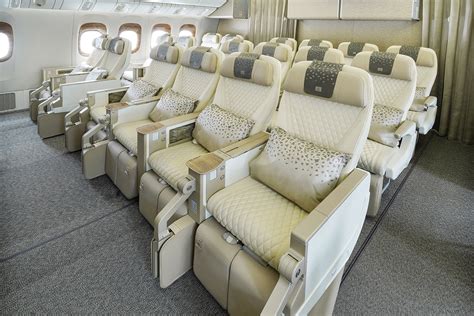
This strategic pivot has allowed Emirates to maintain its competitive edge, even as it waits for the 777-9. When deliveries begin, the airline is expected to integrate the aircraft rapidly, leveraging its scale to maximize operational impact.
Why the 777-9 Still Matters in a Changing Aviation Landscape
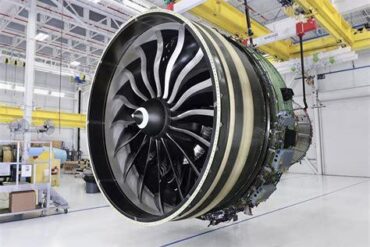
In an era increasingly focused on sustainability and efficiency, the 777-9 stands out as a critical bridge between legacy widebodies and future aviation technologies. Its design incorporates cutting-edge materials, advanced engines, and aerodynamic innovations that significantly reduce fuel burn and emissions.
At the same time, it delivers high passenger capacity, making it ideal for busy international routes where demand remains strong. This balance of efficiency and scale is precisely what many airlines need as they navigate evolving market conditions.
The aircraft also reflects a broader industry shift toward large twin-engine jets, replacing older four-engine designs that are no longer economically viable under current fuel and environmental pressures.
The Final Stretch: Progress With Caution
While the FAA milestone is undeniably significant, it does not eliminate all uncertainty. Certification programs have become more stringent in recent years, particularly following high-profile safety concerns across the aviation industry.
Boeing must now demonstrate not only compliance but also consistent reliability and operational safety across every system. Each phase of testing brings new challenges, and any setbacks could still impact timelines.
Yet, there is a noticeable shift in tone. After years dominated by delays and doubt, the conversation is beginning to focus on execution and delivery.
For airlines, manufacturers, and passengers alike, the question is no longer whether the 777-9 will arrive—but whether this latest momentum can finally carry it across the finish line.
And for the first time in years, that finish line feels genuinely within reach.