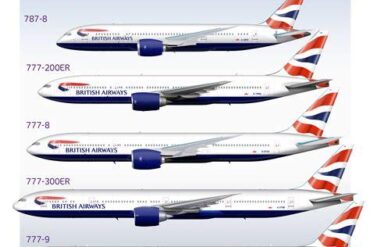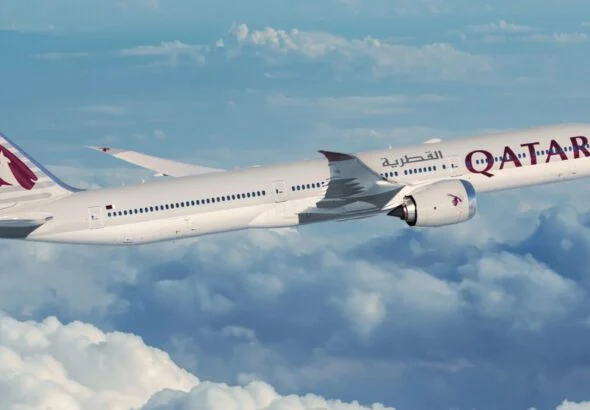
The Boeing 777-300ER has become one of the most recognizable aircraft in modern commercial aviation. For more than two decades, it has connected continents, carried millions of passengers, and served as the flagship aircraft for some of the world’s largest airlines. However, as airlines move toward a new era of lower emissions, improved efficiency, and enhanced passenger experiences, the search for the aircraft that will replace the legendary 777-300ER has intensified.
Replacing such a successful aircraft is one of the biggest challenges facing the aviation industry. The successor must deliver similar levels of range, capacity, and reliability while reducing fuel consumption and operating costs. Few aircraft have matched the unique balance that made the 777-300ER so successful, meaning airlines cannot simply select a larger replacement. Instead, they must consider evolving market conditions, passenger demand, environmental targets, and future route strategies.
The next generation of widebody aircraft will not only replace an aging fleet. It will redefine how airlines operate long-haul networks for decades to come.
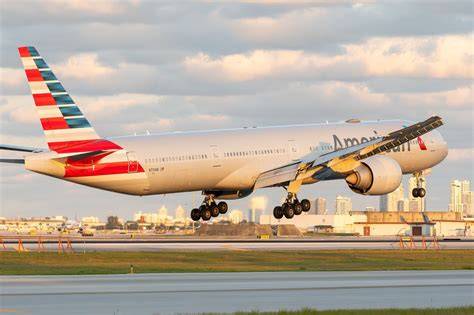
The Boeing 777-300ER: The Long-Haul Aircraft That Changed Global Aviation
When the Boeing 777-300ER entered service in the mid-2000s, it transformed the long-haul aviation market. Before its arrival, airlines often relied on large four-engine aircraft such as the Boeing 747 and Airbus A340 for intercontinental operations. These aircraft offered impressive capacity and range, but they also came with higher fuel consumption and increased maintenance costs.
The 777-300ER introduced a different philosophy. By combining a twin-engine design with exceptional range and payload capability, Boeing created an aircraft capable of replacing larger four-engine aircraft while delivering better economics.
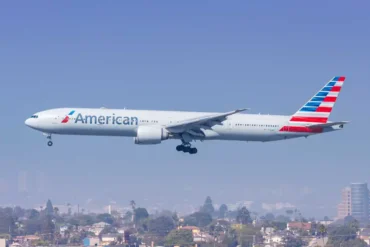
With a range of approximately 7,370 nautical miles (13,650 kilometers), the aircraft could operate some of the world’s longest commercial routes. Airlines could confidently deploy it on transpacific, transatlantic, and Europe-to-Asia services while carrying hundreds of passengers and significant amounts of cargo.
The aircraft’s popularity was driven by several key advantages:
- High passenger capacity, with around 365 seats in a typical three-class configuration.
- Long-range capability suitable for global operations.
- Strong reliability that reduced operational disruptions.
- Excellent cargo capability through large lower-deck capacity.
- Competitive operating economics compared with older widebody aircraft.
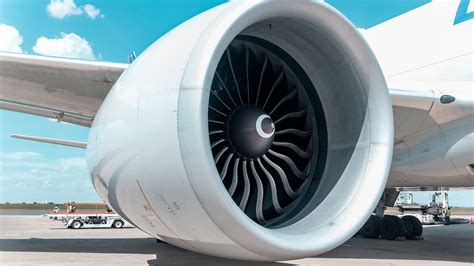
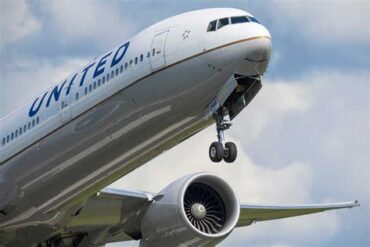
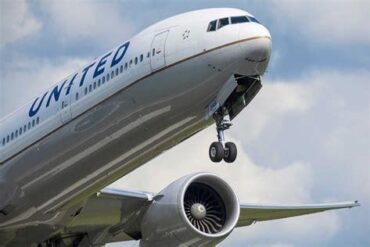
One of the defining features of the 777-300ER was its enormous General Electric GE90-115B engine. At the time of introduction, it was the most powerful commercial jet engine ever produced. Its massive fan diameter and impressive thrust allowed the aircraft to carry heavy loads across extremely long distances.
The aircraft also featured advanced aerodynamic improvements, including raked wingtips, reinforced landing gear, and a highly optimized airframe. These technologies helped make the 777-300ER one of the most efficient large aircraft of its generation.
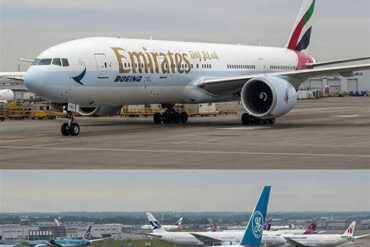
For airlines such as Emirates, Cathay Pacific, and Air France, the aircraft became more than transportation equipment. It became a flagship product representing global connectivity and premium travel.
However, aviation technology continues to evolve. Rising fuel prices, stricter emissions regulations, and changing passenger expectations are forcing airlines to move toward newer aircraft designs.
Why Replacing the Boeing 777-300ER Is Such a Difficult Challenge
Finding a replacement for the 777-300ER is not simply a matter of selecting the newest available aircraft. The challenge comes from the aircraft’s unique combination of characteristics.
Many modern aircraft can outperform the 777-300ER in one specific area. Some are more fuel-efficient, some offer longer range, and others provide improved passenger comfort. However, very few can match its overall balance.
The ideal replacement must provide:
- Similar long-range capability.
- Comparable passenger capacity.
- Lower fuel consumption.
- Reduced emissions.
- Improved cabin experience.
- Strong economic performance across different routes.
Airlines also need flexibility. A large aircraft may be ideal for high-demand routes between major international hubs, but it may become inefficient when demand decreases. This has changed how airlines think about fleet planning.
During the 777-300ER era, many carriers preferred having one large aircraft type capable of serving numerous routes. Today, airlines increasingly prefer a combination of aircraft sizes to better match capacity with market demand.
This shift means the successor to the 777-300ER may not be a single aircraft. Instead, several aircraft could share the role depending on airline strategy.
Boeing 777X: The Most Direct Successor to the 777-300ER
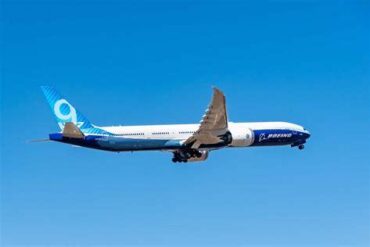
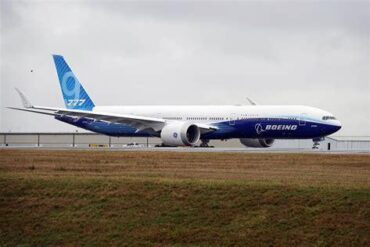
The strongest candidate to inherit the 777-300ER’s role is Boeing’s next-generation 777X family, especially the Boeing 777-9.
Designed as a direct evolution of the 777 platform, the 777-9 maintains the same basic philosophy: a large twin-engine aircraft capable of carrying large numbers of passengers over very long distances.
The aircraft introduces several major improvements compared with the 777-300ER.
The most significant upgrade is the new General Electric GE9X engine, which represents the latest generation of commercial aviation engine technology. The GE9X improves fuel efficiency while providing the enormous thrust required for a large widebody aircraft.
The 777-9 also features a new composite wing design with folding wingtips. These folding sections allow the aircraft to have an extremely wide wingspan during flight while still fitting existing airport infrastructure.
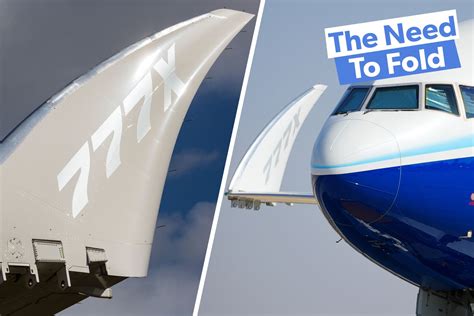
With a longer fuselage than the 777-300ER, the 777-9 can accommodate more passengers while improving operating efficiency. Boeing expects the aircraft to deliver approximately 10–12% better fuel efficiency compared with the previous-generation 777.
For airlines seeking a true replacement for their 777-300ER fleets, the 777-9 offers the closest match in terms of size and mission capability.
However, Boeing has faced significant delays with the 777X program. Certification challenges and development issues have pushed delivery timelines further into the future, creating uncertainty for airlines planning fleet renewal.
Some carriers remain committed to the aircraft, while others have turned toward alternatives that are already available.
Airbus A350-1000: The Proven Alternative
While Boeing develops the 777X, Airbus has already established a strong position in the long-haul replacement market with the Airbus A350 family, particularly the A350-1000.
The A350-1000 approaches the replacement challenge differently. Instead of maximizing size, Airbus focused heavily on efficiency, lightweight construction, and passenger comfort.
The aircraft uses a fuselage made largely from carbon fiber reinforced polymer (CFRP) materials. These lightweight composites reduce structural weight while improving corrosion resistance and durability.
Powered by Rolls-Royce Trent XWB engines, the A350-1000 delivers impressive fuel efficiency and long-range performance. It also offers one of the quietest and most comfortable cabins currently available in commercial aviation.
Passengers benefit from features such as:
- Lower cabin altitude.
- Higher humidity levels.
- Larger windows.
- Improved cabin air quality.
- Reduced engine noise.
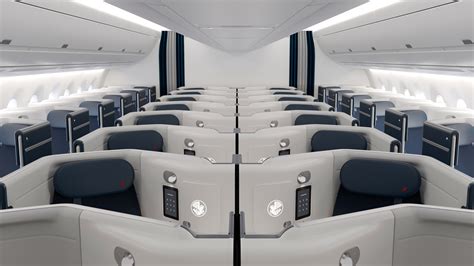
Although the A350-1000 generally carries fewer passengers than the future 777-9, many airlines see this as an advantage. A slightly smaller aircraft can provide better economics on routes where demand does not justify the largest available jets.
Airlines including Qatar Airways, British Airways, and Japan Airlines have adopted the A350 family as part of their long-haul strategies, demonstrating its capability as a modern replacement for older widebody aircraft.
The Future May Not Have One Single 777-300ER Replacement
The aviation industry is moving away from the idea that one aircraft should serve every long-haul mission.
The Boeing 777-300ER succeeded because it arrived during an era when airlines wanted a powerful, flexible aircraft capable of handling almost any international route. The future market is more complex.
Airlines are now building fleets around multiple aircraft categories.
Large aircraft such as the 777-9 and A350-1000 will continue serving high-demand routes between major cities. Meanwhile, smaller widebody aircraft such as the Boeing 787 Dreamliner and Airbus A330neo can operate routes with lower demand while maintaining efficiency.
This approach provides airlines with several advantages:
- Better capacity management.
- Lower fuel costs.
- Reduced risk from market changes.
- Greater flexibility during seasonal demand fluctuations.
For example, a route that once required a 777-300ER every day may now be operated with a smaller aircraft during quieter periods and upgraded during peak travel seasons.
This represents a major change in airline strategy. Instead of replacing aircraft one-for-one, carriers are optimizing their entire network.
How the Next Generation of Widebody Aircraft Will Shape Aviation
The competition between the Boeing 777X and Airbus A350 represents one of the most important battles in modern commercial aviation.
Both aircraft represent different visions of the future.
Boeing’s approach focuses on maintaining the 777 legacy with greater capacity, advanced engines, and improved efficiency. The 777-9 is designed for airlines that still require the largest possible twin-engine aircraft.
Airbus, meanwhile, emphasizes efficiency, lightweight design, and passenger experience. The A350 demonstrates that airlines can achieve excellent long-range performance without creating the largest aircraft possible.
The final outcome will depend on airline priorities. Some carriers will choose maximum capacity, while others will prioritize flexibility and operating economics.
The replacement of the Boeing 777-300ER will therefore not be defined by one aircraft winning and another losing. Instead, the future of long-haul aviation will likely involve several aircraft working together.
The Legacy of the Boeing 777-300ER Will Continue
Although newer aircraft are preparing to take over its role, the Boeing 777-300ER remains one of the most important aircraft in commercial aviation history.
Its success changed airline economics, accelerated the retirement of older four-engine aircraft, and proved that twin-engine aircraft could dominate long-distance travel.
The aircraft will continue flying for many years, especially with younger examples remaining in service. However, the industry is clearly entering a new chapter.
The next generation of widebody aircraft will bring quieter cabins, lower emissions, improved efficiency, and greater operational flexibility. Whether the future belongs primarily to the Boeing 777X, the Airbus A350, or a combination of multiple aircraft types, the replacement of the 777-300ER will define the next era of global air travel.
The aircraft that follows the 777-300ER will not simply replace a successful jet. It will inherit the responsibility of carrying forward one of aviation’s greatest legacies.