The Boeing 777-300ER did not just enter service in 2004—it arrived as a statement of intent. At a time when airlines demanded longer range, higher efficiency, and uncompromising reliability, this aircraft delivered all three with quiet authority. Built as the ultimate extension of the original 777 family, it became the backbone of intercontinental aviation almost overnight, connecting cities once separated by technical limits.
Yet what makes the 777-300ER remarkable is not just its debut, but what happened afterward. Over more than two decades, the aircraft evolved continuously—subtly, intelligently, and persistently. While its silhouette remained largely unchanged, the machine beneath the skin transformed in ways that reshaped its economics, performance, and passenger experience.
This is the story of an aircraft that never stood still.
The 2004 Benchmark: A Widebody That Redefined Expectations
When the 777-300ER first took to the skies, it was immediately clear that Boeing had engineered something exceptional. It combined extended range with high passenger capacity, allowing airlines to operate long-haul routes more efficiently than ever before. Powered by the then-groundbreaking GE90-115B engines, it boasted unmatched thrust and range capabilities that pushed the boundaries of twin-engine aircraft.
Airlines quickly recognized its value. Routes that once required stopovers could now be flown nonstop. Operational flexibility improved. Profitability margins widened. The 777-300ER wasn’t just another widebody—it became a strategic asset.
But unlike many aircraft that peak early in their lifecycle, this one had only just begun its transformation.
Continuous Evolution: A Program That Refused to Freeze in Time
Most aircraft programs settle into stability after certification, with only minor updates over time. The 777-300ER took a different path. Boeing adopted a philosophy of continuous improvement, refining the aircraft incrementally rather than introducing dramatic redesigns.
This approach had a powerful advantage. Airlines didn’t need to retrain crews or overhaul maintenance systems. Yet beneath that operational consistency, the aircraft kept improving—year after year.
Engineers revisited systems, materials, and manufacturing techniques. They sought marginal gains, knowing that in aviation, even the smallest improvements compound into significant advantages over thousands of flights.
The result? A 777-300ER built in 2024 is meaningfully different from one delivered in 2004—even if they look nearly identical from the outside.
Weight Reduction: Engineering Gains Hidden in Plain Sight
One of the most impactful transformations came from weight reduction. Over the production lifecycle, Boeing managed to trim approximately 1,200 pounds from the aircraft’s baseline weight. That may sound modest, but in aviation terms, it’s a strategic breakthrough.
Reducing weight creates a cascade of benefits:
- Lower fuel consumption on every flight
- Increased payload capacity
- Extended operational range
Achieving this without altering the aircraft’s structure required meticulous engineering. Components were redesigned. Materials were optimized. Manufacturing processes became more precise and efficient.

What makes this especially impressive is how invisible these changes are. Passengers don’t notice them. Even many industry observers overlook them. Yet for airlines operating large fleets, these incremental savings translate into millions of dollars over time.
It’s a reminder that innovation doesn’t always arrive with fanfare—sometimes it accumulates quietly, layer by layer.
Aerodynamic Refinements: Subtle Changes, Real Impact
Beyond structural improvements, Boeing refined the aircraft’s aerodynamics with equal precision. These were not dramatic wing redesigns or radical alterations, but small, targeted enhancements designed to improve airflow and reduce drag.
One notable example is the introduction of divergent trailing edges. This modification subtly reshaped how air moves across the wing, improving efficiency without altering the aircraft’s recognizable profile.
Other refinements included adjustments to systems like the tail skid, where evolving operational data allowed engineers to simplify or remove components. Each change was carefully evaluated, ensuring that performance gains did not compromise safety or reliability.

For airlines, these refinements mattered enormously. On ultra-long-haul routes, even a fraction of a percent improvement in fuel efficiency can translate into substantial cost savings. Over years of operation, these gains compound into a decisive competitive advantage.
The Power Behind It All: GE90-115B’s Ongoing Evolution
At the heart of the 777-300ER lies one of aviation’s most iconic engines: the GE90-115B. When it debuted, it was already a technological marvel—the largest and most powerful commercial jet engine ever built.
But like the aircraft itself, the engine did not remain static.
Over time, it received performance improvement packages that enhanced:
- Fuel efficiency
- Reliability and durability
- Maintenance intervals
These upgrades allowed airlines to extract more value from existing fleets without investing in entirely new propulsion systems. In an industry where fuel represents a major portion of operating costs, even incremental efficiency gains can deliver enormous financial returns.
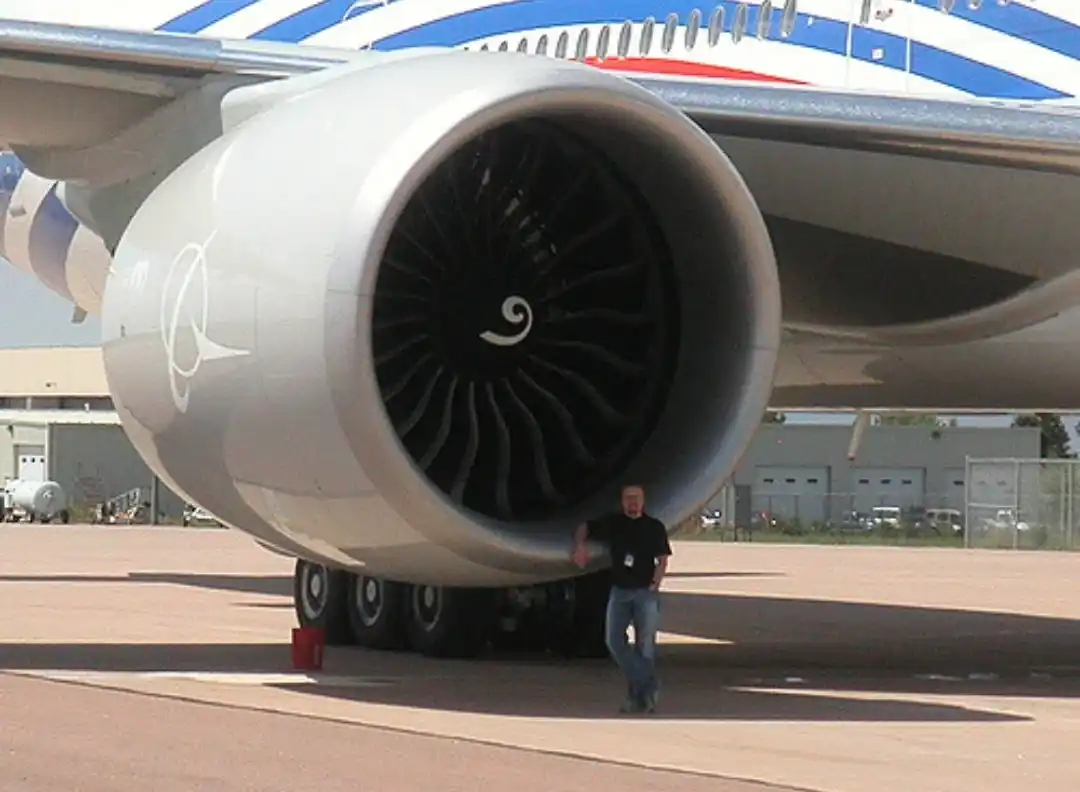
The parallel evolution of aircraft and engine underscores a key truth: long-haul platforms are not static products—they are living systems, continuously refined to meet changing demands.
Fleet Dominance: The Backbone of Global Aviation Networks
The success of the 777-300ER is reflected in its widespread adoption. Over the years, it has become a cornerstone of global airline fleets, particularly among major international carriers.
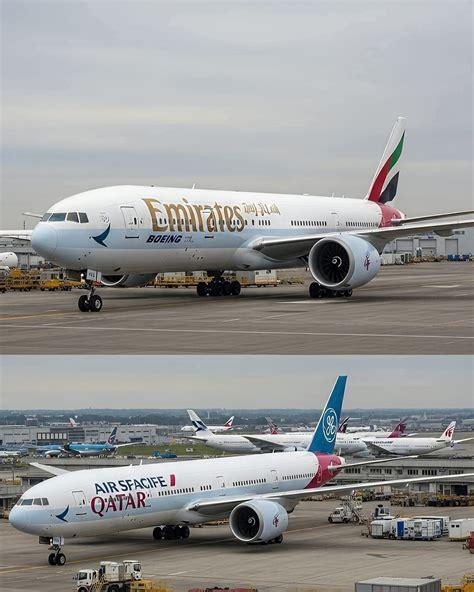
Airlines such as Emirates, Qatar Airways, and Air France have built extensive operations around the aircraft. Emirates alone operates more than a hundred units, making it the largest 777-300ER operator in the world.
This scale amplifies the value of incremental improvements. A small efficiency gain per aircraft becomes massive when multiplied across hundreds of jets and thousands of daily flights.
The aircraft’s reliability also plays a crucial role. Consistent performance, predictable maintenance, and operational flexibility make it a favorite among airlines seeking stability in a volatile industry.
Cabin Transformation: A New Era Inside a Familiar Airframe
While external changes remained subtle, the cabin evolution of the 777-300ER has been dramatic. Passenger expectations have shifted significantly since 2004, and airlines have responded with comprehensive retrofit programs.
Modern 777-300ER cabins now feature:
- High-speed satellite connectivity, including next-generation Wi-Fi systems
- USB-C power outlets and wireless charging
- Advanced inflight entertainment systems with ultra-high-resolution displays
In premium cabins, some airlines have installed screens measuring up to 27 inches, delivering a cinematic experience at 35,000 feet.
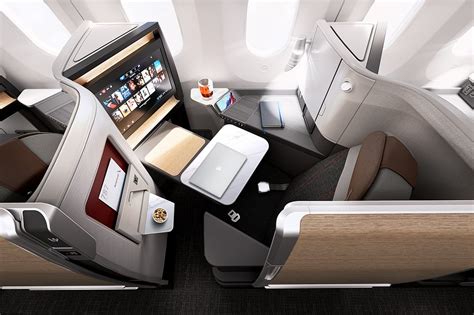
These upgrades fundamentally change how passengers perceive the aircraft. A refurbished 777-300ER can feel indistinguishable from newer-generation aircraft, proving that interior innovation can extend an aircraft’s relevance far beyond its original design era.
The 777X Delay: Extending the Life of a Proven Platform
The delayed arrival of the 777X has had a profound impact on the 777-300ER’s trajectory. Originally intended as its successor, the 777X program has faced multiple setbacks, pushing its entry into service years beyond initial expectations.
This delay forced airlines to rethink their fleet strategies. Instead of retiring older 777-300ERs, many carriers chose to invest in upgrades, extending their operational lifespan.
This shift created a ripple effect:
- Increased demand in the second-hand market
- More aircraft undergoing cabin retrofits
- Continued reliance on a mature, proven platform
For airlines, the situation is both a challenge and an opportunity. While extended use requires ongoing maintenance investment, it also allows them to capitalize on an aircraft that remains highly capable and economically viable.
End of Production, Not the End of the Story
In late 2024, Boeing delivered the final 777-300ER, marking the end of a production run that spanned roughly two decades. It was the close of a remarkable chapter—but not the conclusion of the aircraft’s journey.
The global fleet is expected to remain in service well into the 2030s. Major carriers continue to depend on it for long-haul operations, and ongoing upgrades ensure it remains competitive.
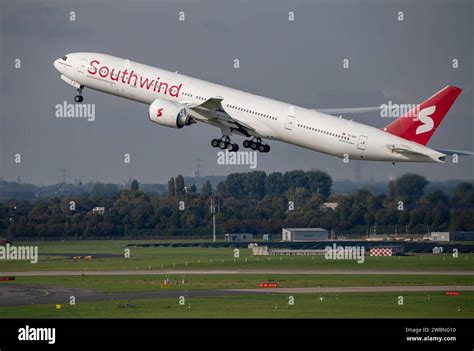
This longevity speaks volumes. Few aircraft manage to stay relevant for so long, especially in an industry defined by rapid technological change.
A Masterclass in Incremental Innovation
The story of the Boeing 777-300ER is not one of dramatic reinvention, but of disciplined evolution. It demonstrates how sustained, incremental improvements can reshape an aircraft over time without altering its core identity.
Every refinement—whether in weight, aerodynamics, engines, or cabin design—added another layer of efficiency and capability. Individually, these changes might seem minor. Collectively, they transformed the aircraft into something far more advanced than its original form.
This approach offers a powerful lesson. Innovation does not always require disruption. Sometimes, the most effective path forward is steady, relentless refinement.
Why the 777-300ER Still Matters Today
Even after more than 20 years, the 777-300ER remains deeply relevant. It continues to serve as a critical link in global aviation networks, bridging continents with reliability and efficiency.
Its enduring success is built on three pillars:
- Proven performance across diverse operating conditions
- Adaptability to evolving passenger expectations
- Continuous improvement that keeps it competitive
For airlines, it represents stability in an unpredictable industry. For passengers, it offers a familiar yet continually improving travel experience.
And for aviation as a whole, it stands as a testament to what thoughtful engineering and long-term vision can achieve.
The Quiet Transformation That Changed Everything
From the outside, a 777-300ER today looks much like it did in 2004. The same graceful fuselage. The same sweeping wings. The same commanding presence on the runway.
But inside—within its structure, systems, engines, and cabin—it has evolved profoundly.
That quiet transformation is what makes the aircraft extraordinary. It didn’t need a dramatic redesign to stay relevant. It adapted, improved, and matured—year after year—until it became one of the most refined and capable widebodies ever built.
In an industry often obsessed with what’s next, the Boeing 777-300ER proves that sometimes, what already exists can become even better—if it never stops evolving.