Vietnam’s Bamboo Airways has abruptly halted the sale of scheduled commercial flights, raising fresh concerns about the survival of one of the country’s most ambitious aviation startups. The airline, which only months ago explored reviving plans to add Boeing 787 Dreamliners and 737 MAX aircraft through leasing arrangements, has now entered another major operational crisis.
The carrier’s website no longer displays available tickets for most scheduled domestic routes in August. Instead, passengers searching for flights are reportedly receiving “no flights found” messages across key routes. While the airline has not officially announced a complete shutdown, its remaining operations have been reduced dramatically, with only limited charter services continuing.
The sudden contraction represents a major reversal for Bamboo Airways, which once positioned itself as a premium hybrid airline capable of competing with Vietnam’s established carriers. Founded in 2017 and beginning operations in January 2019, the airline expanded rapidly by combining affordable fares with higher service standards, targeting both domestic travelers and international passengers.
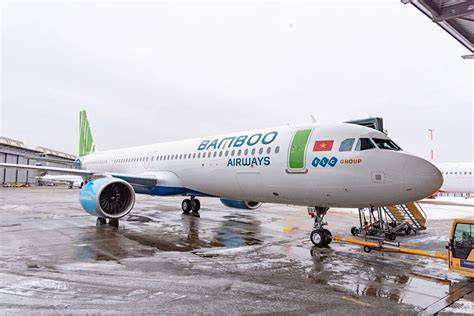
Bamboo Airways Fleet Shrinks From Expansion Ambitions to Minimal Operations
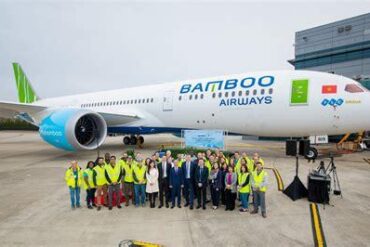
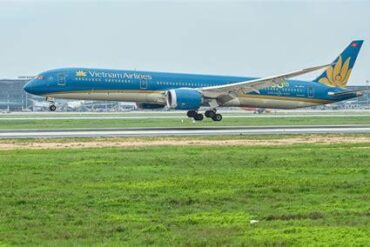
At its peak, Bamboo Airways operated a fleet of up to 44 aircraft, including Airbus A320-family jets, Boeing 787-9 widebodies, and Embraer regional aircraft. The airline used this fleet to launch an extensive network covering Vietnam’s major cities and international destinations across Asia, Europe, and Australia.
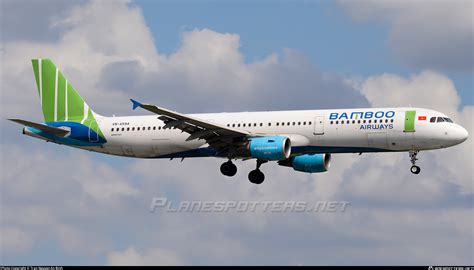
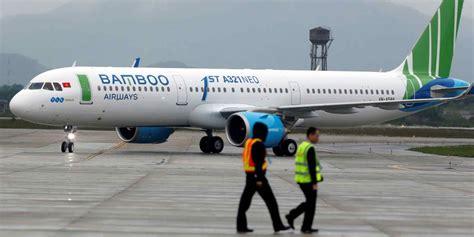
However, the airline’s fleet has now fallen to only three aircraft, with just one actively operating scheduled services. The remaining operational aircraft is an Airbus A321-200, registered as VN-A227. The 13.5-year-old aircraft originally entered service with EVA Air in 2013 before joining Bamboo Airways in 2023 through a lease agreement with Fuyo General Lease.
The A321 is configured with 192 seats, including eight business-class seats and 184 economy seats. Despite being one of the airline’s most reliable aircraft, a single narrowbody jet is far from enough to support the network Bamboo Airways once maintained.
The carrier’s previous fleet included multiple aircraft types, such as Airbus A320s, A320neos, A321neos, Boeing 787-9s, Boeing 737-900ERs, and Embraer E190 and E195 regional jets. Most of these aircraft have now disappeared from active service as the airline continues to reduce costs.
Boeing 787 Plans Collapse as Financial Pressure Intensifies
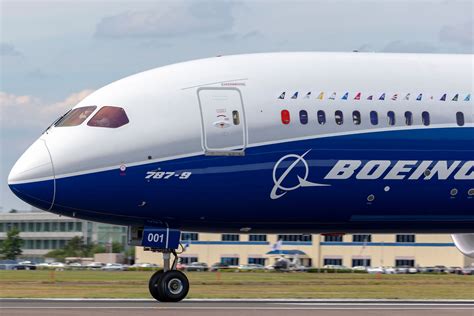
The timing of Bamboo Airways’ operational decline is particularly notable because the airline had recently shown interest in rebuilding its long-haul capabilities. The carrier had explored restarting a memorandum of understanding involving Boeing 787 Dreamliner and Boeing 737 MAX aircraft through leasing agreements.
Those plans represented an attempt to restore the airline’s previous growth strategy, which included international routes to destinations such as Melbourne, Sydney, Frankfurt, London Gatwick, and London Heathrow. However, those ambitions have been abandoned as financial challenges forced Bamboo Airways to focus on survival rather than expansion.
The airline had already withdrawn from many international markets before the latest disruption. Long-haul services were gradually eliminated, while several regional Asian routes were also suspended. The company’s once-expanding network of approximately 20 domestic and 18 international destinations has been reduced to a fraction of its former size.
Charter Flights Become Bamboo Airways’ Remaining Lifeline
Although scheduled flights have largely disappeared, Bamboo Airways has not completely stopped flying. The airline continues to operate selected charter flights, which appear to provide a temporary source of revenue while the company restructures.
One example involves flights between Da Nang International Airport and Macau International Airport, operated through travel partnerships. Charter operations allow tour companies and partners to guarantee passenger demand by purchasing seats in advance, reducing the financial risk for airlines.
For destinations such as Macau, charter services remain attractive because they support organized group travel. Da Nang’s popularity as a coastal tourism destination and Macau’s reputation as an entertainment hub create demand for specialized travel packages.
However, charter operations alone are unlikely to replace the scale of a full commercial network. Bamboo Airways will need significant financial restructuring or new investment if it hopes to return to regular scheduled flying.
Passenger Disruptions and Uncertain Future
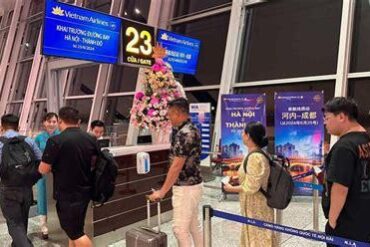
Bamboo Airways has acknowledged the disruption and apologized to affected passengers. The airline is reportedly contacting customers with future reservations to arrange refunds and alternative travel solutions, although the process has faced delays.
The company’s current situation highlights the difficulties faced by rapidly expanding airlines. Bamboo Airways grew quickly during its early years, but aggressive expansion, fleet commitments, and changing market conditions created significant financial pressure.
The airline’s future remains uncertain. While the suspension of scheduled flights does not represent an official closure, the reduction from dozens of aircraft to a single operating passenger jet shows the scale of the challenge ahead.
Bamboo Airways once aimed to become a major force in Southeast Asian aviation. Its current struggle demonstrates how difficult it can be for young airlines to maintain growth when economic conditions shift. Whether the carrier can rebuild depends on its ability to stabilize finances, restructure operations, and regain passenger confidence.