Vietnam’s aviation industry is reeling from a crisis of reliability, as an overwhelming surge in passenger numbers collides head-on with a dramatic decline in on-time flight performance, causing a ripple effect across the nation’s booming tourism economy. The latest data from the Civil Aviation Authority of Vietnam (CAAV) reveals a stark truth: from January to June 2025, only 62.6% of flights were on time, a drop of more than 13 percentage points compared to the same period in 2024.
This drop in performance comes despite a sharp increase in air traffic. During the first half of 2025, Vietnam’s airports handled 59.7 million passengers, a 9.1% increase over the previous year. While international travelers climbed to 22.9 million — up 12.9% — domestic flight numbers also jumped 6.9%, totaling 36.8 million.
Bamboo Airways Soars While Others Struggle
Among Vietnam’s commercial carriers, Bamboo Airways emerged as the most punctual, recording an impressive 81% on-time performance (OTP). Pacific Airlines followed closely with 80.2%, and VASCO posted a solid 78%. However, other airlines did not fare as well. Vietjet Air, Vietnam’s largest budget airline, recorded an alarming 50.6% OTP, placing it at the bottom of the national rankings.
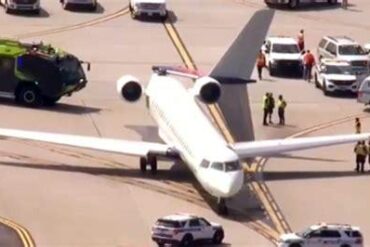
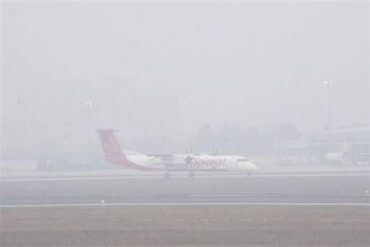
June 2025 was especially dire. In that month alone, Vietnam’s overall OTP plunged to 56%, and out of 24,304 flights, a massive 44% were delayed, while 1.2% were canceled. The majority of disruptions — nearly 68.5% — stemmed from delayed aircraft arrivals. Other causes included technical issues, weather complications, and scheduling inefficiencies.
Cancelled Flights and Growing Frustration
In total, 855 flights were canceled in the first six months of 2025 — a noticeable increase from the same period in 2024. Though representing only 0.6% of total flights, this figure highlights a concerning trend: Vietnamese air carriers are struggling to meet operational demand.
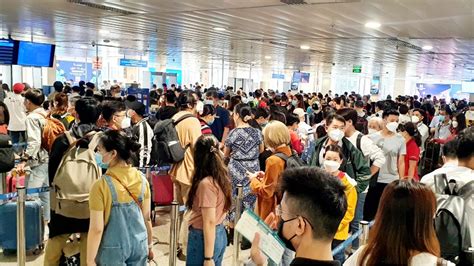
For travelers, the impact is immediate and visceral. With delays stretching for hours and often culminating in canceled flights, tourists — both local and foreign — are left in limbo. In peak travel months, the strain is even more acute. Families miss holidays, business travelers lose deals, and tour groups are forced into logistical chaos.
Vietnam Airlines and Vietjet Buckle Under Pressure
National carrier Vietnam Airlines, despite being better resourced, only managed a 71% OTP, while the newer Vietravel Airlines trailed behind at 67.7%. Vietjet, however, remains the biggest cause for concern due to its massive market share and chronically poor performance.
Even with collaborative efforts between the CAAV and airline operators, issues tied to an aging fleet, congested runways, and outdated scheduling systems continue to challenge the industry. The existing infrastructure simply has not kept pace with Vietnam’s rapid growth in air travel demand.
Tourism Takes a Direct Hit
As Vietnam attempts to position itself as a global tourism magnet in Southeast Asia, the aviation crisis now threatens to stall that growth. Air travel is the primary gateway into and across the country, and the unreliability of flights is turning away visitors before they even land.
Impact on International Tourists
International visitors, who contribute significantly to the nation’s tourism revenue, are growing disillusioned. These travelers often follow tight itineraries, depending on timely domestic flights to explore destinations like Ha Long Bay, Da Nang, and Phu Quoc. Delays cause missed hotel reservations, abandoned excursions, and canceled tour packages — all of which come at a cost.
Worse still, word spreads. In the age of real-time reviews and viral complaints, Vietnam’s tourism reputation is taking a hit. Tourists burned once by disorganized travel logistics may never return — and may dissuade others from coming.
Domestic Travelers Also Affected
It isn’t only foreigners who suffer. Many Vietnamese rely on low-cost carriers for quick intra-country travel. But with airlines like Vietjet consistently underperforming, more locals are opting for buses, trains, or private vehicles. While these options are often cheaper or more dependable, they are slower and less efficient — impacting regional tourism income and limiting accessibility to emerging travel spots.
Collateral Damage to the Travel Ecosystem
The ripple effect goes far beyond airline ticket counters. Tour operators, hotels, and event planners are also feeling the turbulence. Schedule disruptions wreak havoc on group tours, forcing companies to reschedule, refund, or reroute customers at the last minute. That means lost income and reduced consumer confidence.
Business tourism is suffering as well. Vietnam has been increasingly hosting international conferences, exhibitions, and corporate retreats. However, delays and unpredictable arrivals jeopardize attendance and event planning, making event organizers reconsider Vietnam as a reliable host nation.
Economic Repercussions: Billions at Stake
The tourism industry is a major economic pillar in Vietnam. When flights falter, the dominoes begin to fall: hotels lose bookings, restaurants remain empty, and tour guides miss out on jobs. The entire service sector, from ride-share drivers to souvenir vendors, is at risk.
If not addressed, these disruptions could cost Vietnam billions in tourism-related revenue. With 2025 already seeing a surge in demand, this should be a boom year. Instead, delays are throttling momentum and weakening the sector’s recovery from the COVID-19 slump.
Government and Industry Response
Faced with rising public dissatisfaction and economic threat, the Vietnamese government and CAAV have begun taking steps. Joint working groups with major airlines are seeking to:
- Improve aircraft turnaround times
- Modernize scheduling and dispatch systems
- Expand airport capacity in high-traffic regions
- Enforce stricter performance metrics for low-OTP airlines
Yet these are long-term solutions. For the current crisis, more urgent responses are needed. That includes better passenger communication, automated rebooking systems, and more efficient handling of weather-related disruptions.
Hope on the Horizon: Growth Potential and Infrastructure Plans
Despite the crisis, Vietnam’s aviation future is far from bleak. The current disruption is also a signal: air travel demand is booming, and Vietnam is increasingly being viewed as a key Southeast Asian aviation hub.
Industry analysts predict continued growth, provided Vietnam can invest in:
- New airport runways and terminals
- Modern aircraft with higher reliability
- Integrated traffic control systems
- Real-time passenger service apps
Additionally, airlines like Bamboo Airways have proven that high on-time performance is possible, even under strain. Their example can serve as a model for operational discipline, highlighting that internal reform, not just infrastructure, plays a vital role.
Final Boarding Call: Trust Must Be Rebuilt
The coming months will be decisive. As Vietnam enters its summer and holiday travel peaks, carriers must act decisively to restore traveler confidence. Tourists — especially those planning long-haul, multi-city vacations — won’t tolerate repeated delays or lack of information.
For now, passengers are advised to choose airlines based on reliability, not just price. If the aviation industry fails to adapt quickly, the cost will be more than inconvenience — it could mean missing out on one of the world’s fastest-growing tourism markets.
Vietnam’s skies are still full. But if the flight schedule chaos continues, the country’s tourism success story could begin to stall before ever reaching cruising altitude.