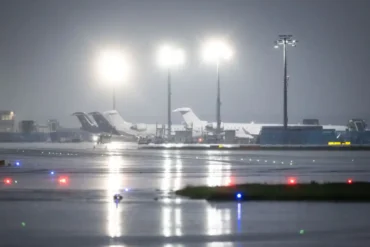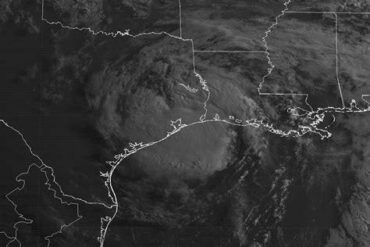
On July 15, 2025, a violent Atlantic storm unleashed havoc across Europe’s premier air corridors, grounding schedules and stranding passengers in a travel crisis of monumental proportions. As thunderheads rolled over the U.S. East Coast, European giants—from British Airways and Lufthansa to KLM and easyJet—found their meticulously planned summer timetables unraveling. In a single day, 2,214 flights were delayed and 71 transatlantic departures cancelled, leaving thousands of travelers to navigate chaotic terminals and rebooking nightmares.
The storm’s ripple effect spread from Heathrow and Charles de Gaulle to Schiphol, Frankfurt and beyond. Holidaymakers bound for New York, Boston and Miami discovered that their boarding passes had become tickets to uncertainty. Business executives missed critical meetings, students faced impossible return dates, and families saw reunions dissolve into airport lounges. As departure boards flickered between “ON TIME,” “DELAYED” and “CANCELED,” frustration mounted and patience wore thin.
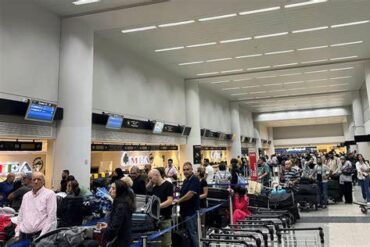
Amid the turmoil, airlines scrambled to adapt. Ground-stops at JFK, Newark and LaGuardia choked inbound slots, while local storms in Amsterdam and Geneva added insult to injury. Passengers camped on benches, huddled around power outlets, or queued for hours at customer-service desks, clutching smartphones and travel apps as lifelines in a sea of red warnings.
Amsterdam Schiphol Under Siege
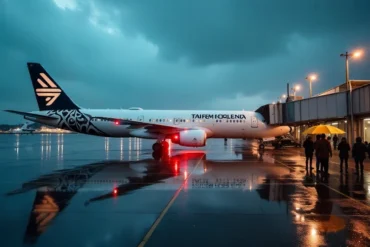
Between July 12 and July 15, KLM endured nearly 100 disrupted flights to key U.S. destinations. Planes destined for New York, Boston and Washington sat idle on rain-slicked tarmacs while crew duty limits ticked down. Inside Schiphol’s cavernous halls, travelers slept on rows of seats, their luggage doubling as makeshift pillows. Charging stations became gathering points for weary fliers desperately refreshing airline apps and rerouting through secondary European hubs. Even local downpours in Amsterdam conspired against operations, forcing air-traffic controllers to juggle incoming and outgoing slots amid waterlogged runways.
Paris Charles de Gaulle Buckles Under Pressure
Over four relentless days, 600+ Air France and partner flights were delayed or cancelled, as gate occupancy soared and crew time‑outs grounded crews mid‑rotation. Charles de Gaulle’s famed satellite terminals became pressure cookers of heat and impatience. Travelers booked on flights to New York, Miami and Boston found themselves shuttled from clerical counters to overstretched lounges, their itineraries unraveling inch by inch. When storms briefly relented over Paris, backlogs of delayed aircraft still monopolized gates, stretching recovery efforts into evening hours and stretching passenger endurance to its limits.
Southern and Regional Hubs Caught in the Crossfire
Athens International reported around 280 delays as a Greek heatwave compounded continental chaos, pushing air-conditioning systems and ground staff to exhaustion. Geneva Airport tallied 150 disrupted services, with Swiss International Air Lines and easyJet battling both U.S. weather fallout and local thunderstorms. Barcelona’s El Prat, a Mediterranean hotspot, saw over 420 flights thrown into disarray as Vueling, Iberia and Ryanair codeshares with United Airlines found themselves hostage to schedules fractured thousands of miles away. Even passengers with purely intra‑European itineraries discovered their connections compromised by transatlantic turbulence.
Heathrow & Gatwick: Britain’s Hubs in Crisis
London’s twin hubs recorded more than 40 delays to U.S. gateways in a single storm wave. British Airways flights to New York, Miami and Los Angeles sat on the ground, blocked by FAA ground-stops at JFK and Newark. With inbound slots frozen and departure windows closing, crews timed out and passengers missed onward connections. Heathrow’s rapid-turnaround ethos buckled under the strain, turning once‑efficient operations into corridors of congestion and confusion.
Frankfurt’s Fight for Fluidity
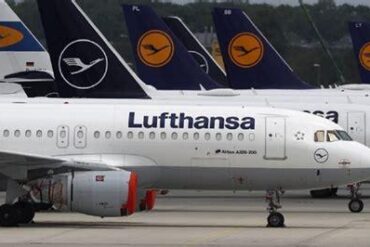
As Lufthansa’s home base, Frankfurt Airport felt the impact acutely. Dozens of flights were delayed despite proactive measures—buffer aircraft staged in alternate cities and dynamic rerouting plans kept cancellations minimal. Nonetheless, congested taxiways became makeshift parking lots, and gates remained occupied for hours longer than scheduled. For business travelers reliant on Lufthansa’s hallmark punctuality, these delays served as a stark reminder that even the strongest networks can fracture under climate‑driven weather extremes.
Low-Cost & Regional Carriers in the Backwash
Budget players such as easyJet, Vueling, CityJet and UTair saw their European networks buckle under the knock‑on effects of U.S. storm delays. With their short‑haul flights feeding major hubs, any blockage in the transatlantic pipeline caused cascading disruptions. Passengers on flights from Amsterdam or Paris to secondary destinations found connections evaporating, forcing last‑minute reroutes and emergency hotel bookings.
Airlines Mobilize Crisis Teams
Facing unprecedented demand, carriers activated emergency operations centers. KLM repositioned aircraft to strategic locations, Air France extended crew duty limits under special waivers, and British Airways deployed additional ground crews at key junctions. Brussels Airlines funneled passengers through alternate European gateways, while Swiss International added relief flights from Geneva and Zurich. Even U.S. partners—United, Delta and American—felt the sting as their European alliances struggled to clear backlogs caused by FAA-imposed ground stops at New York-area airports.
Delta Flight DL169: A Hailstorm Wake-Up Call
One of the most dramatic episodes involved Delta’s A330 service DL169, en route from Barcelona to New York. At 20,000 ft, the aircraft encountered a ferocious hailstorm that dented its nose cone and pock‑marked the fuselage. Pilots diverted back to Barcelona, executed an emergency inspection and landed all 276 passengers and crew unharmed. The incident underscored the growing vulnerability of modern jets to severe convective weather and amplified calls for real‑time storm-penetration avoidance systems.
U.S. Hubs in Turmoil
On a single storm-ravaged day, 716 flights were cancelled at JFK alone, contributing to a nationwide total of 1,457 cancellations. Newark Liberty recorded 342 bogged and 368 dropped flights; LaGuardia saw 291/393; Philadelphia logged 372/155; Dallas‑Fort Worth endured 987/123; and Chicago O’Hare battled 717/119. Ground stops imposed by the FAA turned runways into de facto holding pens, while terminals overflowed with stranded travelers.
Human Toll: Passengers in Limbo
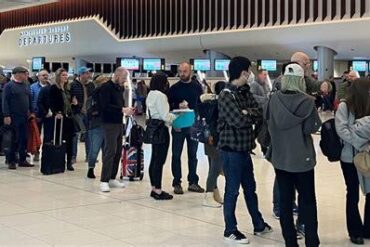
For many, the crisis transcended inconvenience. Executives missed multi‑million‑dollar deals, families postponed weddings and vacations, and students scrambled to return for orientation. Some endured 20+ hour marathons in airport chairs, coping with scarce food options and overwhelmed train and taxi services. Hotels near major airports sold out within hours, forcing others to sleep under blankets dispensed by relief volunteers.
Climate Change: The Brewing Storm
Meteorologists assert that warmer air can hold more moisture, fueling heavier downpours and more frequent thunderstorms. Eurocontrol data confirm a significant uptick in extreme weather events over the past decade. As global temperatures climb, aviation stakeholders warn that such disruptions will become a fixture of summer schedules rather than anomalies.
Financial Aftershock
Industry analysts estimate that July’s storm-driven chaos could cost European carriers between €130 million and €180 million in refunds, rebookings, accommodation and crew overtime. Airports face parallel expenses for security surges and emergency staffing. Insurers brace for a flood of claims as travelers demand compensation for lost plans and extra out‑of‑pocket expenses.
Building Resilience: Technology & Tactics
In response, airlines are doubling down on advanced weather modeling, AI-driven scheduling and real‑time passenger communication platforms. Self‑service rebooking apps let passengers secure alternate routes without queuing; predictive algorithms help position aircraft ahead of storm tracks; and digital notification systems deliver immediate alerts for gate changes and cancellations.
Traveler Playbook: Flexibility & Foresight
Savvy travelers are now:
- Opting for flexible fares with minimal change fees
- Purchasing weather‑disruption insurance as standard practice
- Building longer layovers into their itineraries
- Monitoring meteorological forecasts alongside flight status apps
- Packing overnight essentials in carry‑on luggage
Conclusion: The New Normal in Transatlantic Travel
July 2025’s tempest may fade from headlines, but its lessons resonate. Airlines and airports are on notice: extreme weather is an existential threat to reliable air connectivity. For travelers, the message is clear—plan for the unpredictable, embrace flexibility, and stay informed. In an age where climate volatility dictates flight patterns, resilience at 35,000 ft begins long before boarding passes are scanned.