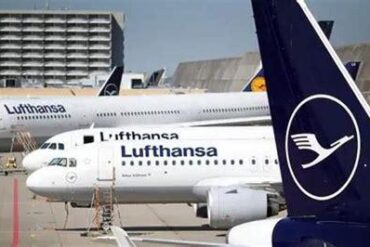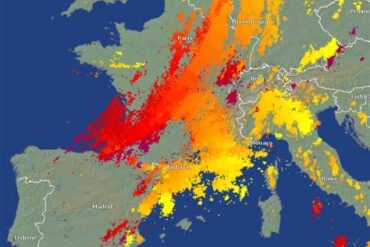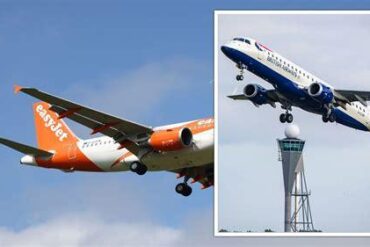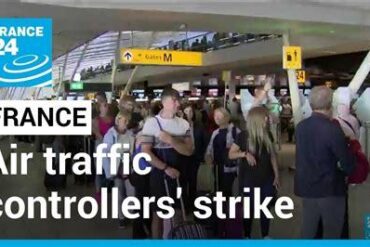
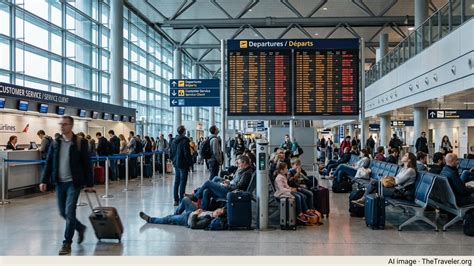
Thousands of air travelers across Europe were left stranded and frustrated on July 8, 2025, as Air France, EasyJet, KLM, British Airways, and Ryanair faced a wave of over 200 delays and cancellations across major European airports. Key transit hubs—Heathrow, Athens, Charles de Gaulle, Zurich, Amsterdam, and Gatwick—experienced widespread disruption due to staffing shortages, airport congestion, and logistical setbacks. The compounded effect was a ripple of flight interruptions that sent schedules spiraling out of control.
Heathrow and Gatwick: Britain’s Air Travel Bottleneck
London Heathrow and Gatwick, two of the busiest air transit hubs in Europe, bore the brunt of the chaos. At Heathrow alone, there were 59 delays and 4 cancellations, most notably affecting British Airways with 38 delayed flights. American Airlines, Delta, and Virgin Atlantic also reported multiple operational hiccups. Meanwhile, at London Gatwick, the situation was even more severe with 93 delayed flights and 1 cancellation, where EasyJet alone accounted for 53 delays, adding immense pressure on airport ground staff and customer service desks.
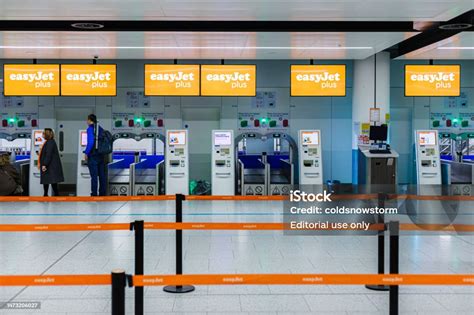
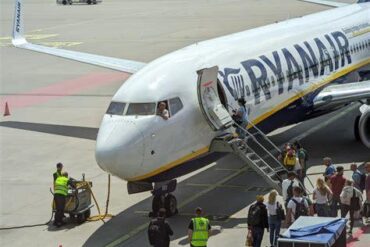
BA Euroflyer, Ryanair, Wizz Air UK, and TUI Airways were among other carriers dealing with delay after delay. The scene at both airports involved long queues, distressed passengers scrambling for rebookings, and limited customer support—all made worse by high summer travel volumes.
Athens International Airport: Southern Europe’s Gridlock
At Athens International Airport, a total of 66 delays and 3 cancellations paralyzed much of the regional air traffic. Local carriers like Olympic Air and Aegean Airlines reported 14 and 18 delays respectively, while international operators such as KLM, British Airways, and Ryanair were also severely impacted.
Sky Express logged 10 delays, and Air France, easyJet, and Iberia also found themselves caught in a logistical web that left departure boards flashing red warnings well into the afternoon.
Paris Charles de Gaulle: Hub of Disruption for Air France
The French capital’s Charles de Gaulle Airport was home to the single worst delay figure of the day, with 91 delays and 5 cancellations. Flag carrier Air France was at the epicenter, recording 44 delays and 3 cancellations, while its regional partner HOP! added another 8 delays and 2 cancellations to the mounting problem.
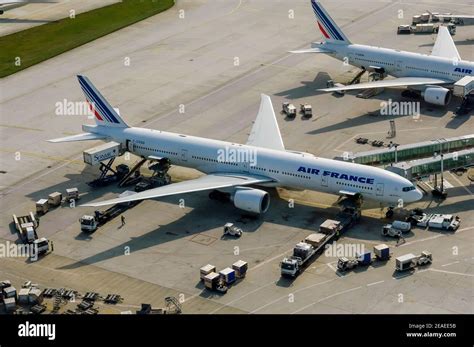
Other affected airlines included easyJet with 8 delays, Delta Air Lines with 4, and KLM, Brussels Airlines, and Etihad Airways, all facing persistent operational breakdowns. For Paris travelers, the experience turned dismal quickly as incoming and outgoing flights were shuffled or outright terminated.
Zurich: Swiss Precision Interrupted
Even Zurich Airport, often a symbol of logistical excellence, wasn’t immune. With 33 delayed flights and 2 cancellations, Swiss International Air Lines accounted for 10 delays, and Helvetic Airways followed with 6. The scale of disruption may have been smaller in absolute numbers, but the punctuality breakdown in Switzerland was symbolic of the broader collapse of coordination across the continent.
Additional setbacks hit airlines such as Lufthansa, Air Serbia, Air Dolomiti, and Edelweiss Air, showing that no network—large or small—was spared.
Amsterdam Schiphol: KLM’s Crisis
At Amsterdam Schiphol, the home base of KLM, a staggering 87 delays and 5 cancellations crippled operations. KLM led the disruption with 45 delayed and 4 canceled flights, leaving countless passengers stranded or rerouted. easyJet suffered 10 delays, while Delta Air Lines followed with 12.
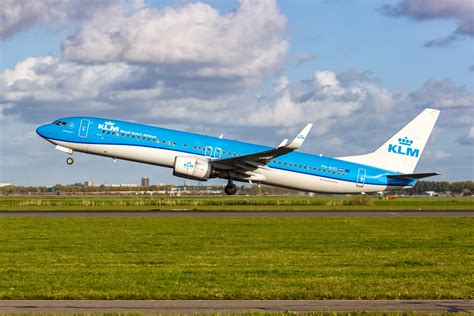
Air France, Vueling, Air Baltic, and Transavia also faced disruptions that snowballed due to bottlenecking at gates, limited tarmac space, and overwhelmed support services.
Airline-by-Airline Breakdown: Carriers Under Siege
The airline industry’s key players in Europe were among the most impacted by the widespread operational failures:
- Air France: 91 delays, 8 cancellations (heavily affected at Charles de Gaulle and Amsterdam)
- EasyJet: 166 delays, 8 cancellations (particularly hit at Gatwick and Amsterdam)
- KLM: 94 delays, 5 cancellations (Amsterdam the primary flashpoint)
- British Airways: 115 delays, 6 cancellations (largely centered at Heathrow)
- Ryanair: 27 delays, 3 cancellations (distributed across several major airports)
Each airline struggled to deploy contingency measures. Some resorted to wet-leasing backup aircraft, while others leaned on customer care staff to appease thousands of angry passengers.
Passenger Impact and Legal Recourse
Across all affected airports, passenger experience plummeted. Long lines at help desks, delayed rebookings, and limited compensation responses created a perfect storm of frustration. Many travelers, including families on vacation and business passengers with tight schedules, missed connections and were forced to find overnight accommodations.
Under EU Regulation 261/2004, travelers are eligible for financial compensation, meal vouchers, and hotel accommodations if their flights are canceled or delayed for reasons within the airline’s control. However, the processing of such claims has been sluggish due to the sheer volume of affected travelers.
Airlines encouraged passengers to track updates via apps, maintain direct communication, and consider alternate travel methods if flights were delayed beyond four hours.
Root Causes: Why the Sky Fell
Behind the numbers lies a multi-pronged crisis:
- Staffing Shortages: A persistent issue since the pandemic era, with airports and airlines still unable to recruit and retain enough ground crew, air traffic controllers, and baggage handlers.
- Airspace Congestion: With Europe’s skies packed, even minor deviations lead to a cascade of delays across the network.
- Weather & Technical Faults: In some cases, unexpected weather shifts and mechanical faults further deepened the crisis.
Industry insiders say the lack of cross-border coordination, especially during the summer rush, is creating systemic vulnerabilities that can no longer be patched by temporary fixes.
What’s Next for European Aviation?
The European travel network is again facing a test of its resilience. Airlines are expected to re-evaluate schedules, revise staff allocations, and increase customer communication to prevent future meltdowns. However, the summer travel boom is not yet over, and further delays cannot be ruled out.
Authorities, including the European Union Aviation Safety Agency (EASA), are now under pressure to intervene with new guidelines on minimum staffing levels and real-time coordination protocols.
The reality is stark: until the industry solves its labor crisis, streamlines airport operations, and improves communication, European passengers will continue to navigate a turbulent journey—even when the skies above appear clear.
The chaos of July 8 is not an isolated incident. It is a flashing red alert about the state of air travel across Europe—an ecosystem stretched to its limits, one delay away from another breakdown.