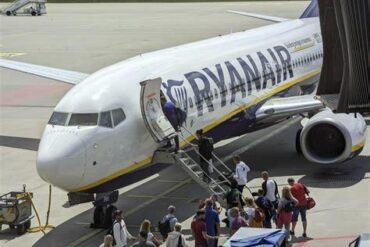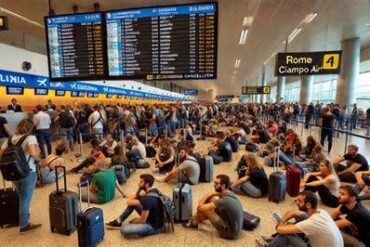
Europe’s summer travel season is facing serious turbulence as coordinated airport strikes across Italy, Spain, and Portugal set to begin on July 26, 2025 threaten to disrupt flights, services, and travel plans for thousands of passengers. With multiple labor groups staging walkouts at some of the busiest airports in Southern Europe, travelers flying with major carriers like Ryanair, EasyJet, Volotea, Wizz Air, ITA Airways, and British Airways should brace for potential delays, cancellations, and long wait times over the coming days.
Why Are Airport Workers Striking?
The strikes stem from labor disputes between airport personnel and employers over working conditions, pay, and contract renewals. Staff shortages have exacerbated the situation, with unions demanding improved staffing levels, wage adjustments, and more secure employment terms. In a post-pandemic travel environment, where passenger volumes have surged but staffing levels have not fully recovered, airport workers across these nations are voicing frustration at being underpaid and overworked.
In Italy, unions representing ground handling staff, baggage handlers, and security personnel are spearheading a nationwide strike scheduled for July 26 from 1:00 PM to 5:00 PM local time. This action will directly affect major airports such as Rome Fiumicino, Milan Malpensa, Venice Marco Polo, and Naples.
In Spain, the strike is centered on Volotea, a prominent low-cost carrier, where flight crews and ground staff will walk out in protest over stalled contract negotiations. Barcelona El Prat, Madrid-Barajas, and Valencia are expected to see service disruptions.
In Portugal, the situation is more prolonged. Employees of Menzies Aviation—a key ground handling service provider—are initiating a strike from July 26 through July 29 across major airports, including Lisbon, Porto, Faro, Funchal, and Porto Santo. Unions have also announced additional strike actions on weekends throughout August, indicating continued instability for summer travelers.
Which Airlines Are Most Affected?
The strikes will hit low-cost carriers particularly hard, but major airlines will also be impacted due to their reliance on the affected airports and service providers. Airlines facing significant disruptions include:
- Ryanair – Europe’s largest budget carrier, with extensive operations across Italy, Spain, and Portugal.
- EasyJet – Another leading low-cost airline heavily reliant on Italian and Spanish airports.
- Volotea – Particularly affected in Spain, with service interruptions across its network.
- Wizz Air – Facing delays at Italian and Portuguese airports.
- ITA Airways – Italy’s national carrier, experiencing operational strain at its primary hub in Rome.
- British Airways – Likely to face indirect disruptions due to ground handling shortages and congestion at partner airports.
Given these airlines’ high passenger volumes, the ripple effect of cancellations and delays could extend beyond the strike periods, particularly for connecting flights.
How Will Travelers Be Affected?
Passengers should anticipate a cascade of disruptions across Southern Europe’s airports. Here’s what to expect:
- Flight Delays and Cancellations: The four-hour Italian strike coincides with peak afternoon travel, significantly increasing the risk of cancellations and rebookings. In Portugal, the multi-day strike is likely to have lingering effects on flight schedules.
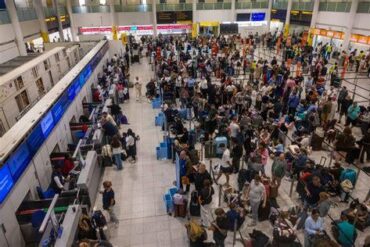
- Longer Wait Times: Reduced staffing for check-in, security, and baggage handling will lead to longer queues, especially at busy international terminals.
- Disrupted Airport Services: Lounges, customer service desks, and baggage claim operations may face temporary closures or reduced hours, adding to passenger frustration.
Preparing for the Strikes: Key Travel Tips
To navigate this challenging situation, travelers should adopt a proactive approach:
- Check Flight Status Frequently: Use airline apps or websites for live updates on delays and cancellations. Enable push notifications for real-time alerts.
- Arrive Early: Allocate at least 3 hours for international flights and 2 hours for domestic departures to compensate for extended processing times.
- Avoid Peak Hours: If possible, reschedule flights to early morning or late evening, when strike actions may have less impact.
- Know Your Rights: Under EU Regulation 261/2004, passengers may claim €250–€600 in compensation for cancellations or significant delays caused by strikes, depending on flight distance and disruption length.
- Pack Smart: Bring essentials such as snacks, water, and entertainment to handle long waits, particularly when traveling with children or elderly companions.
What About Compensation?
If your flight is canceled or delayed by more than 3 hours, EU law entitles you to compensation or a full refund, plus meals and accommodations in some cases. Rebooking options should also be provided by your airline. It is vital to keep all receipts and documentation of your journey to support any future claims.
Looking Ahead: More Strikes on the Horizon
While the July 26–29 actions are the immediate concern, unions in Portugal have announced additional strike weekends in August, signaling potential for further disruptions well into the high summer season. This prolonged unrest underscores the ongoing tension between airport operators and staff, and travelers should remain vigilant for new strike announcements in the coming weeks.
Final Thoughts: Navigating Travel Chaos in Southern Europe
For those flying to or through Italy, Spain, or Portugal this summer, these strikes present a serious logistical challenge. However, by staying informed, arriving early, and knowing your rights, passengers can significantly reduce the impact on their travel plans. It is also wise to monitor official updates from airlines and government transportation agencies, including Italy’s Ministry of Transport, Spain’s Ministry of Transport, and Portugal’s Civil Aviation Authority.
While the strikes may cause frustration, they also highlight the critical role of airport personnel in ensuring smooth air travel operations. Recognizing their demands for fair compensation and better working conditions may be key to preventing future disruptions—and ultimately, creating a more resilient travel system for everyone.