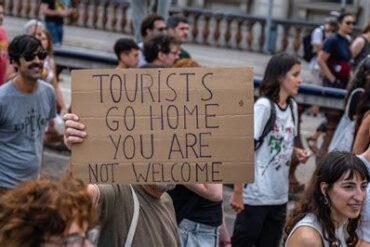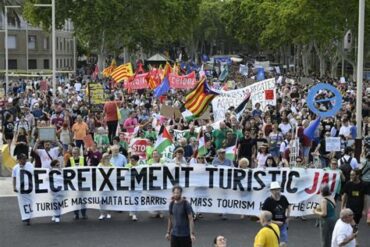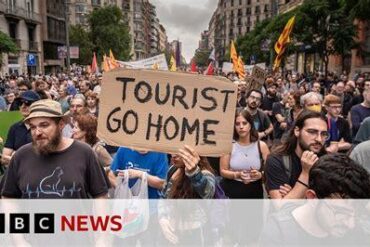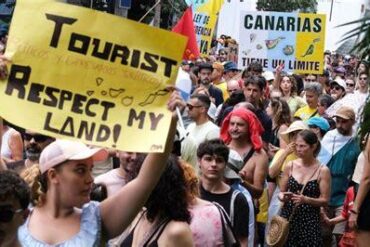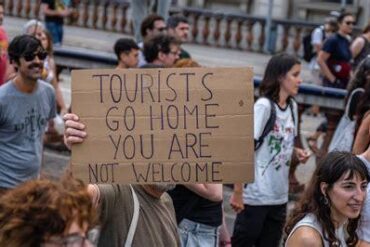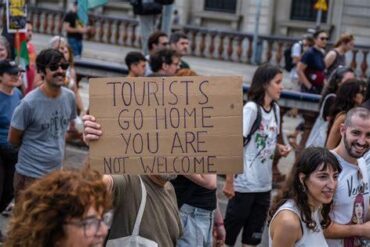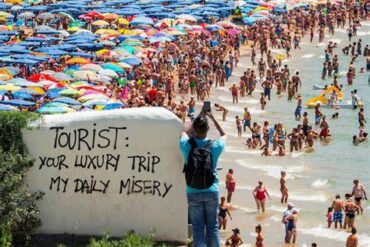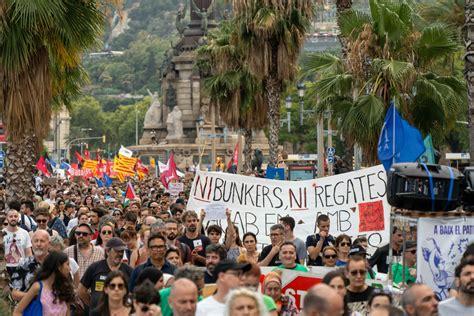
In recent weeks, anti-tourism protests have surged across some of Europe’s most popular travel destinations, triggering significant international concern and a formal travel advisory from the United States State Department. Cities in Portugal, Spain, and Italy—long celebrated for their culture, history, and scenic beauty—are now at the center of a growing backlash against mass tourism. With tensions mounting and demonstrations intensifying, travelers are being urged to proceed with increased caution and to closely monitor local developments.
The Spark Behind the Unrest: Rising Discontent in Southern Europe
In cities like Barcelona, Lisbon, and Venice, locals are no longer celebrating the influx of international visitors. Instead, residents are increasingly vocal about how unchecked tourism has disrupted daily life, displaced communities, and transformed local economies. Many of these cities have long suffered the pressures of overtourism, but 2025 has marked a tipping point. As protests erupt across the Iberian Peninsula and Italy, a new narrative is emerging—one that sees tourism not as a blessing, but as a burden.
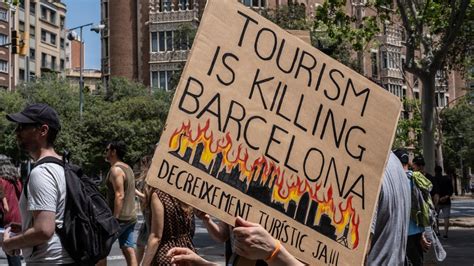
In Barcelona, a city that receives more than 30 million visitors annually, protests have taken the form of organized marches, road blockades, and social media campaigns targeting the tourism sector. Demonstrators have cited soaring housing prices, excessive noise, and the proliferation of short-term rental units—particularly Airbnb-style listings—as reasons for their frustration. Similar scenes are unfolding in Palma de Mallorca, San Sebastián, and Valencia, where tourism is seen as eroding the social fabric of local communities.
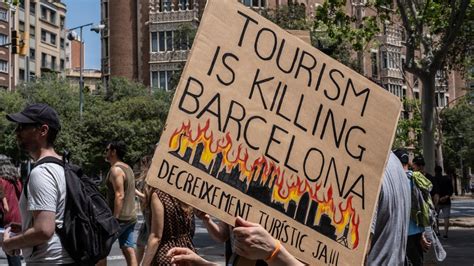
Symbolic Resistance: Protests Turn Visual and Vocal
A particularly striking example of protest took place recently in Palma de Mallorca, where demonstrators took to the streets with water guns, playfully but pointedly spraying tourists in a symbolic act of defiance. While largely peaceful, such protests reflect deep-seated tensions. In Lisbon, residents held signs stating, “Lisbon against touristification” and “As you come, I have to go,” highlighting the emotional and economic toll of displacement. Locals claim that entire neighborhoods are being hollowed out as long-term renters are forced out in favor of higher-paying short-term guests.
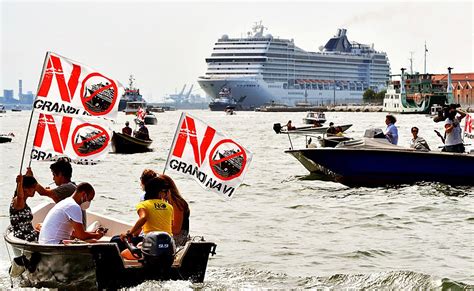
In Venice, one of the world’s most iconic tourist cities, residents have decried the overburdened public services and environmental damage caused by cruise ships and crowds. Demonstrations have been staged on canal bridges and in town squares, with chants calling for “Venice for Venetians” and a rollback of unchecked visitor inflows.
A Global Industry with Local Consequences
What is unfolding in Southern Europe is not merely a series of isolated protests, but the cumulative result of decades of rapid tourism growth that has outpaced infrastructure, housing policy, and local governance. Short-term rental platforms have commodified housing stock, turning city centers into de facto hotels. Cruise tourism brings thousands of visitors who spend little locally but strain municipal systems. Large travel corporations—often foreign-owned—have absorbed much of the economic benefit, leaving small local businesses struggling to survive.
The sheer volume of tourists has led to “Disneyfication” in some cities, where traditional stores are replaced by souvenir shops and fast-food outlets, displacing local culture. The situation has become so critical that residents now openly call for a reduction in visitor numbers as a means of preserving both their communities and cultural identity.
Government Responses and Regulation Efforts
Authorities are slowly beginning to respond, although not always with consensus or speed. In Barcelona, the local government has taken a bold stance, announcing plans to cancel over 10,000 short-term rental licenses by 2028. The city also plans to raise taxes on cruise ship passengers, especially those staying less than 12 hours, to mitigate infrastructure stress.
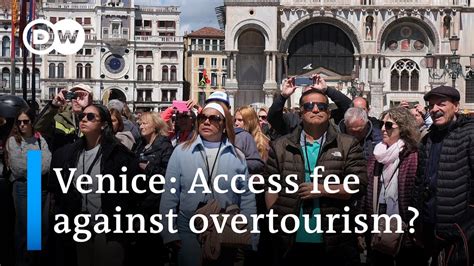
Venice, which has long battled overtourism, launched an entrance fee scheme in 2024 requiring day-trippers to pay for access. This unprecedented move aims to control tourist volumes and protect the city’s fragile heritage. In addition, Pompeii, the famed archaeological site near Naples, has capped daily visitors at 20,000 to reduce environmental impact and prevent degradation of the ruins.
Lisbon is pursuing more subtle but significant urban planning initiatives designed to return housing stock to local residents. By restricting short-term rentals in certain districts and offering incentives for long-term leases, the city hopes to reverse the growing exodus of locals from the historic center.
Travel Warnings and US Advisory: What You Need to Know
In light of the unrest, the United States Department of State has elevated travel advisories for affected countries. Spain and Italy are now under a Level 2 advisory, which urges Americans to “exercise increased caution” due to potential civil unrest and security disruptions. Portugal remains under Level 1, though the situation is being actively monitored.
The advisory recommends that tourists:
- Stay alert in densely visited urban areas and tourist attractions
- Avoid crowds, demonstrations, and marches
- Monitor local media for real-time updates
- Register with the Smart Traveler Enrollment Program (STEP)
- Comply with all directives from local authorities
These measures are intended not just for personal safety, but also to avoid unintentionally exacerbating tensions with local communities already under strain.
A Cautionary Tale for the Future of Global Tourism
The events unfolding across Portugal, Spain, and Italy serve as a stark warning about the unsustainable nature of modern mass tourism. As travel resumes at pre-pandemic volumes and the global middle class continues to grow, the pressure on iconic destinations will only increase. Without thoughtful, equitable planning, these cities risk becoming unlivable for residents and uninspiring for travelers.
Cities must now grapple with difficult questions: How can tourism be made economically inclusive, culturally respectful, and environmentally sustainable? How can the benefits of tourism be redistributed to ensure that those who host travelers aren’t paying the heaviest price? These are not only policy issues but moral imperatives.
For travelers, this moment demands greater awareness and responsibility. Tourism should not be a transaction—it should be a mutual exchange. Visitors must learn to tread lightly, support local economies authentically, and respect the rhythms of local life. Opting for off-season travel, staying in locally owned accommodations, and avoiding short-term rental apps in saturated markets are all steps in the right direction.
Looking Ahead: A Shifting Paradigm in European Travel
As European governments reassess their tourism models and cities take bold action to stem the tide of overtourism, a paradigm shift is underway. The industry is being forced to reimagine what sustainable travel looks like in the 21st century. From regulatory crackdowns to community-first tourism models, the focus is shifting from quantity to quality.
This is not the end of European travel—but it may be the end of travel as we know it. For the industry to survive and thrive, it must become more collaborative, localized, and sustainable. The unrest in Southern Europe, while disruptive, may yet spark the reforms necessary to ensure tourism enriches rather than erodes.
In the meantime, travelers heading to Portugal, Spain, and Italy this summer should remain cautious, informed, and deeply respectful of the communities they visit. Tourism is a privilege, not a right—and now more than ever, that privilege must be exercised with care.