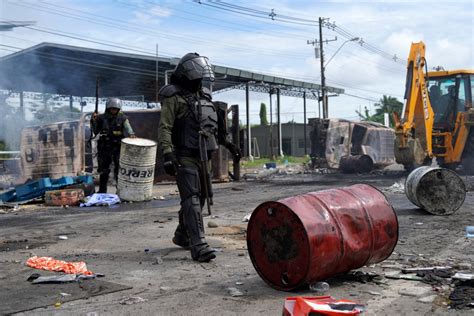
The Canadian government has taken a decisive step in response to the escalating tensions in Panama by issuing an urgent travel advisory. This advisory specifically highlights the provinces of Bocas del Toro, Chiriquí, Veraguas, and several high-risk border areas. The situation has deteriorated rapidly since June 2025, marked by widespread protests against government policies, leading to violent confrontations characterized by arson, looting, and vandalism. Travelers are strongly urged to avoid these regions until the unrest subsides, as safety concerns grow amid a surge in violent crime.
The Bocas del Toro province, renowned for its stunning natural beauty and as a popular tourist destination, has been at the epicenter of these protests. Demonstrators have taken to the streets since June 19, 2025, in response to a controversial pension reform law that many believe threatens the financial security of retirees. The protests have escalated into acts of violence, severely disrupting daily life and tourism activities. With rights such as freedom of movement and assembly suspended in affected areas, the Canadian advisory strongly recommends reconsidering travel plans to Bocas del Toro until order is restored.
Amidst the chaos, Capitán Manuel Niño International Airport, the primary gateway for travelers to and from Bocas del Toro, has also been impacted. Delays and cancellations have become commonplace, complicating travel logistics for those attempting to leave or enter the area. The combination of civil unrest and logistical challenges poses a significant threat to the safety and well-being of tourists.
In addition to the turmoil in Bocas del Toro, the Canadian government has identified other high-risk areas within Panama. The advisory urges travelers to avoid the corridor between Metetí and the Colombian border, where organized crime has seen a dramatic rise. Criminal organizations involved in human trafficking and drug smuggling have made this region particularly dangerous. Reports indicate a sharp increase in violent crime, including kidnappings, armed robberies, and murders, affecting both locals and tourists alike.
Moreover, the Mosquito Gulf, an isolated coastal stretch from Boca de Río Chiriquí to Coclé del Norte, is also on the Canadian government’s “avoid all travel” list. This remote area is plagued by illegal activities, further elevating the risks associated with traveling there. The lack of infrastructure and road access complicates any potential rescue or evacuation efforts, placing travelers in precarious situations should emergencies arise.
The political landscape in Panama is fraught with challenges, exacerbated by ongoing economic struggles. The protests in regions like Bocas del Toro and Changuinola reflect widespread dissatisfaction with government policies, particularly concerning pension reforms. Demonstrators have expressed their discontent through violent means, leading to severe disruptions, including looting and the destruction of public properties, which have resulted in casualties, including one reported fatality and multiple injuries.
As these protests unfold, the country grapples with an escalating fuel shortage, further complicating transportation systems across heavily affected areas. Public transport services have become irregular, and roadblocks set up by protesters have hindered movement throughout the country. In response, the government has deployed security forces in an attempt to restore order, but the timeline for achieving stability remains uncertain.
In light of these developments, the Canadian government has also updated travel advisories for other countries. For instance, Cuba has been assigned a yellow code due to a critical shortage of basic necessities, affecting both locals and tourists. Similarly, a travel advisory for Thailand warns against travel to its southern provinces of Narathiwat, Pattani, Songkhla, and Yala due to ongoing security concerns.
As travelers contemplate their plans, the question arises: Should one travel to Panama? While the current state of affairs in areas like Bocas del Toro and Changuinola is alarming, it’s crucial to recognize that Panama as a whole retains its appeal for tourists. The Canadian advisory focuses on specific high-risk zones where violence and criminal activity are most pronounced. For now, it is prudent for travelers to steer clear of the affected areas and stay abreast of updates regarding the situation.
Once the protests cease and normalcy returns, Panama is likely to reclaim its status as a prime tourist destination. Until that time, postponing plans to visit the most impacted regions and considering alternative travel destinations is highly advisable. For those who remain committed to visiting Panama, vigilance and caution are paramount, ensuring a safe and enjoyable experience once conditions stabilize.