The Canadian government has raised alarms regarding travel to Thailand, issuing an urgent advisory that warns citizens to avoid specific regions due to escalating violence, the imposition of martial law, and an increased need to evacuate from high-risk zones. This advisory comes as part of a broader strategy to ensure the safety of Canadian travelers, particularly as tensions rise in various parts of the world.
Thailand is renowned for its vibrant culture, stunning landscapes, and hospitable locals, attracting millions of tourists each year to destinations such as Bangkok, Chiang Mai, and Phuket. However, the recent uptick in unrest, particularly in certain southern provinces, poses significant risks to those planning to visit. It is crucial for travelers to stay informed about these developments to avoid potential disruptions during their trips.
On June 16, 2025, the Canadian government released an updated travel advisory specifically for Thailand, urging citizens to avoid travel to several southern provinces. This recommendation is based on serious safety concerns stemming from ongoing conflicts in these areas. The advisory emphasizes that travelers should completely steer clear of the following provinces: Narathiwat, Pattani, Songkhla, and Yala. These regions, located near the Malaysian border, have been plagued by violence linked to separatist movements that have persisted for years.
The situation remains precarious in these provinces, with frequent attacks perpetrated by insurgent groups targeting both military and civilian populations. The Canadian government has expressed that individuals traveling to these regions could unwittingly find themselves in life-threatening situations due to the ongoing violence. The advisory highlights the gravity of the security threats, stating that all forms of travel—whether for tourism, business, or transit—should be avoided entirely.
In addition to the outright travel ban on the southern provinces, travelers are also advised to exercise extreme caution in Mae Hong Son and Tak provinces, which are adjacent to Myanmar. These areas have sporadically experienced violent clashes involving government forces and organized crime, particularly drug trafficking networks. Travelers planning to cross borders in this region should remain vigilant, as border points may close unexpectedly without warning.
Furthermore, tensions between Thailand and Cambodia have intensified following a clash on May 28, 2025, reigniting long-standing territorial disputes. Travelers utilizing land crossings in the area can expect heightened military activity and an increased presence of security forces, further complicating travel plans.
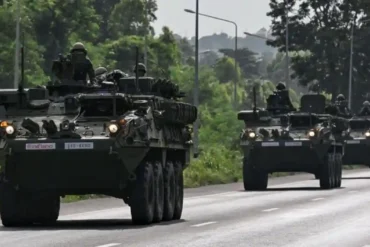
As for Bangkok, one of the most frequented tourist destinations in Thailand, the Canadian government has cautioned visitors to remain alert. Political tensions in the capital city can lead to sudden demonstrations or other forms of disruption. The military’s broad authority under emergency regulations means that public movement can be restricted, weapon searches conducted, and curfews enforced without prior notice. Travelers should anticipate military checkpoints in certain areas and understand that security forces are authorized to respond with force if violence erupts during protests or large gatherings.
Access to media platforms may also be restricted during periods of heightened tension, including potential censorship of news outlets and temporary suspensions of social media services. Travelers are encouraged to stay informed about local news and developments to navigate the complex environment safely.
The Canadian government’s travel advisories are regularly updated to reflect changing conditions around the globe, addressing emerging risks such as armed conflicts, severe weather events, and civil unrest that might affect travel plans. In recent months, the government has also issued advisories for other regions experiencing instability, including updates for countries across the Middle East and specific guidance for travelers heading to Los Angeles, where large-scale demonstrations are anticipated.
In conclusion, while Thailand continues to be a sought-after destination for many, the current landscape requires travelers to exercise caution and remain informed. The Canadian government stresses the importance of avoiding high-risk areas, preparing adequately for potential disruptions, and prioritizing safety above all else during their travels in Thailand.
This advisory serves as a crucial reminder of the unpredictability of travel and the necessity of staying updated on safety conditions. By remaining vigilant and informed, travelers can help ensure that their journeys through Thailand are both enjoyable and secure.