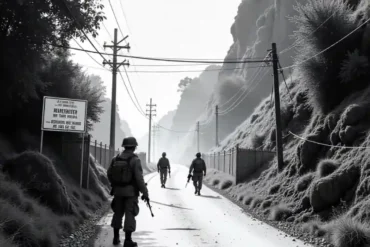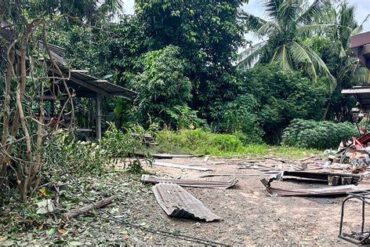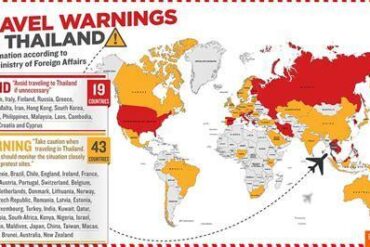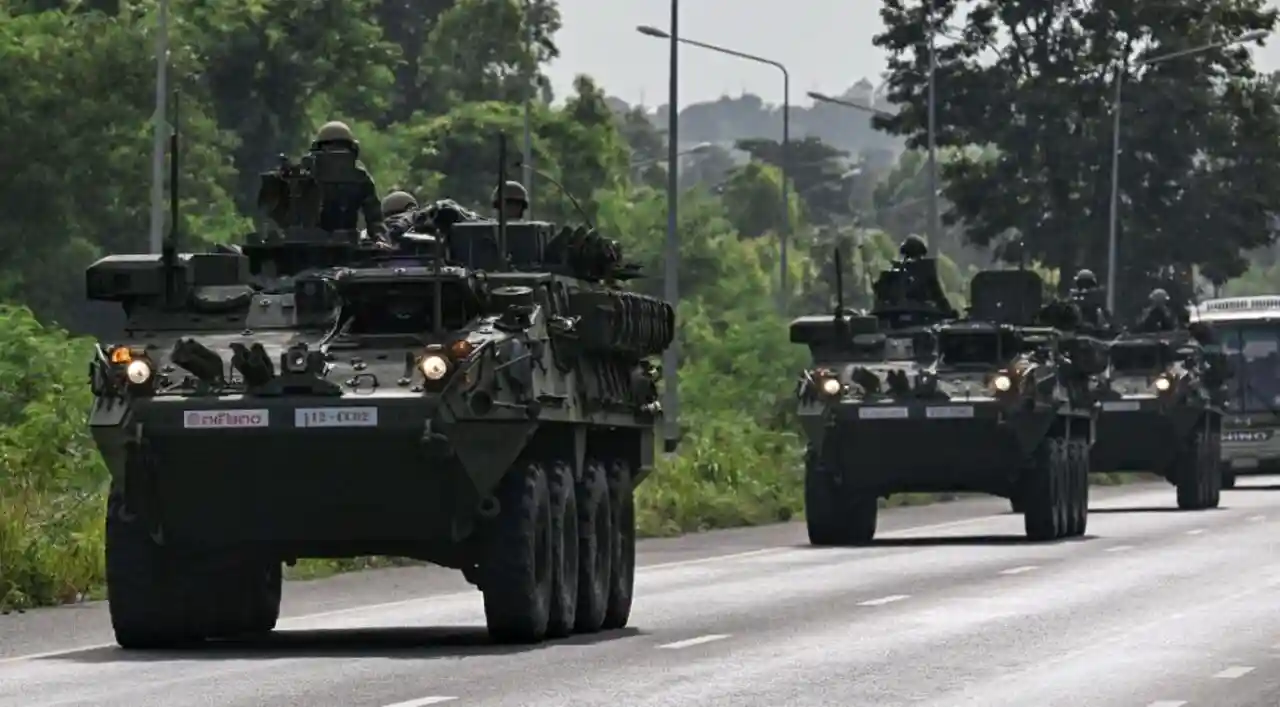
In a significant escalation of tensions, New Zealand has updated its travel advisory for Thailand and Cambodia, cautioning its citizens about the escalating risks associated with travel to these Southeast Asian nations. This advisory comes on the heels of violent clashes between Thai and Cambodian forces, particularly around the disputed Emerald Triangle region, which has seen an alarming rise in military activity and civilian casualties. Reports indicate that at least fourteen lives have been lost in the recent skirmishes, prompting New Zealand’s Ministry of Foreign Affairs and Trade (MFAT) to take swift action in alerting its nationals.
The conflict, which erupted following airstrikes conducted by Thailand against Cambodian military installations on May 28, 2025, has intensified with Cambodia responding through heavy artillery fire. Such military engagements have not only increased the death toll but have also led to a precarious situation for travelers in the vicinity. As tensions continue to escalate, the New Zealand government is urging its citizens to exercise extreme caution, particularly near border areas where violence has surged.
Land Border Closure and Its Implications
A critical consequence of the ongoing conflict is the closure of the land border between Thailand and Cambodia, effectively stranding many travelers and disrupting a vital transportation corridor. This closure has raised concerns among New Zealanders currently in the region. While MFAT has confirmed that there are no active consular cases at present, the volatile nature of the situation remains a major concern for officials. The area surrounding the Emerald Triangle has historically been fraught with tension, but the current hostilities mark one of the most serious escalations in recent years.
New Zealand’s updated travel advisory explicitly urges citizens to reconsider their travel plans to Cambodia and several provinces in Thailand, especially those located near the border. The regions identified as particularly risky include:
- Buriram Province
- Si Saket Province
- Surin Province
- Ubon Ratchathani Province
These provinces have experienced direct spillover effects from the military conflict, with reports detailing crossfire incidents, troop movements, and civilian displacements. In light of these developments, New Zealanders are advised to avoid non-essential travel to these areas, where the threat of violence is significantly elevated.
Broader Security Risks in Thailand
Beyond the immediate conflict zones, Thailand presents various general security risks that should be taken seriously by travelers. New Zealand officials have highlighted several dangers that could affect tourists:
- Terrorism: There is a persistent and credible threat of terrorist attacks in major Thai cities and tourist destinations. Historical incidents have targeted shopping malls, shrines, and transportation hubs, raising concerns for traveler safety.
- Political Unrest: Thailand has a history of political demonstrations that can quickly turn violent. These protests are often spontaneous and unpredictable, particularly in urban centers like Bangkok.
- Crime: Petty crimes, including pickpocketing and scams, are common in tourist hotspots, particularly during nighttime activities or in crowded public areas.
- Road Safety: With one of the highest road accident rates globally, Thailand poses significant dangers for tourists unfamiliar with local traffic laws. Motorbike accidents, in particular, are frequent and can lead to serious injuries.
Given these factors, it is essential for New Zealanders traveling to Thailand to secure comprehensive travel insurance that includes coverage for medical evacuation. In emergencies, access to adequate medical facilities may be compromised or delayed due to the ongoing unrest.
The Emerald Triangle: A Historical Perspective
The Emerald Triangle, a region where Cambodia, Thailand, and Laos converge, is not only rich in natural resources but also steeped in historical significance. The area has been a flashpoint for territorial disputes, with both countries claiming ownership over ancient temples and strategically important hilltops. Periodic clashes have occurred over the past two decades, but the latest round of violence signifies a dangerous escalation, with both sides amassing military resources in preparation for potential further confrontations.
Analysts warn that if diplomatic efforts do not materialize swiftly, the conflict could spiral into a larger regional crisis, potentially involving Laos and destabilizing the broader Southeast Asian landscape. The growing nationalist sentiments on both sides complicate the situation further, as local rhetoric intensifies around territorial integrity and national pride.
New Zealand’s Proactive Measures
As the geopolitical situation unfolds, the New Zealand government remains vigilant, closely monitoring developments in Southeast Asia. New Zealanders are encouraged to register on SafeTravel.govt.nz to receive real-time alerts and updates regarding the evolving circumstances. Furthermore, maintaining communication with the New Zealand embassy or consulate is vital, especially as conditions may deteriorate rapidly.
While there have been no reports of New Zealanders being harmed amid the latest outbreak of violence, officials stress that the security environment can change unpredictably. Therefore, it is crucial for travelers to stay informed through local news outlets, adhere to curfews, respect government directives, and avoid areas known for protests or military presence.
Conclusion: A Call for Caution
The recent border clashes between Thailand and Cambodia serve as a stark reminder of the complexities and risks associated with travel in regions marked by historical disputes. New Zealand’s decisive actions in issuing travel advisories underscore the importance of prioritizing safety and staying informed during periods of heightened tension. As the situation continues to evolve, travelers are urged to approach their plans with caution, weighing the risks against the allure of exploration in these culturally rich nations. The safety of travelers must remain paramount, and adherence to official guidelines will be crucial in navigating this turbulent landscape.