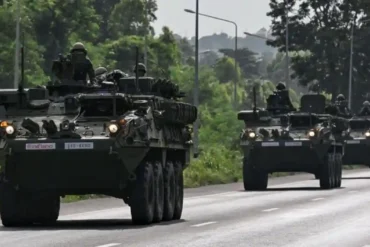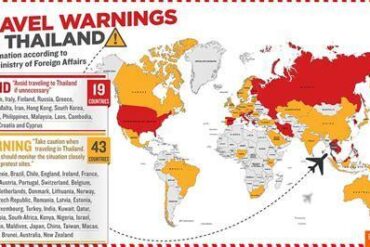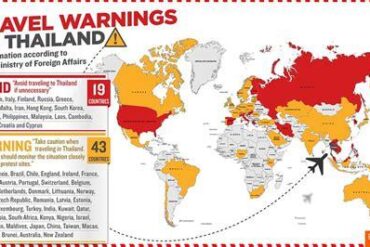
As tensions between Thailand and Cambodia escalate into what is being described as the worst conflict in over a decade, the situation at their shared border has become increasingly dire. The ongoing crisis, which began with isolated incidents of violence, has now spiraled into a series of confrontations that are impacting not only the involved nations but also international travelers. In response to these developments, the Indian government has issued a travel advisory urging its citizens to avoid several provinces in Thailand, including Ubon Ratchathani, Surin, Sisaket, Buriram, Sa Kaeo, Chanthaburi, and Trat. These areas, once thriving with tourism, now face significant safety risks due to military operations and rising hostilities.
The implications of this conflict extend beyond immediate safety concerns. Long-Term Implications for the Travel Industry are becoming apparent as industry experts express serious worries about lasting disruptions to global travel, particularly within Southeast Asia. The escalating tensions have triggered a cascade of adjustments in travel advisories, flight itineraries, and international bookings. For regions heavily reliant on tourism, especially those in eastern Thailand, the uncertainty threatens to derail the recovery that had just begun following previous global setbacks.
The international travel industry faces yet another critical test, challenging existing infrastructure and reshaping traveler behavior. Any further deterioration in the security conditions could divert international interest to more stable destinations, compelling governments and travel organizations to monitor the crisis closely.
Monitoring the Crisis and Its Global Impact remains vital as tourism professionals and government officials around the world adopt a wait-and-watch strategy. Travelers scheduled to visit eastern Thailand or nearby parts of Cambodia are being urged to stay updated on official announcements and adjust their plans accordingly. The future of the conflict appears contingent on whether diplomatic negotiations can resume and if military restraint can be maintained. A peaceful resolution would not only ensure safer travel but could also lead to the resumption of services and the reopening of tourist zones that have been closed due to the unrest.
For Indian tourists, who represent one of the largest visitor groups to Thailand, the current situation is particularly alarming. India accounts for a significant volume of outbound travel to the region, meaning the crisis has the potential to directly influence the decisions of thousands of travelers. Anticipated disruptions include canceled reservations and group tours, delays in visa issuance, adjustments to travel insurance coverage, and reduced international bookings. Such disruptions could place additional strain on local economies, especially in provinces dependent on tourism, and might reverberate throughout Southeast Asia, affecting countries within the ASEAN bloc by altering border protocols, transportation logistics, and diplomatic exchange policies.
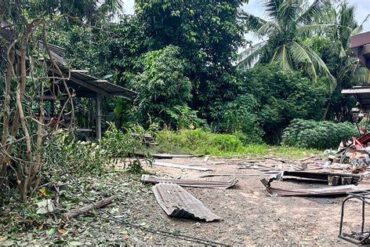
As allegations of civilian-targeted attacks emerge, the narrative becomes increasingly complex. A Thai official recently accused Cambodian military forces of committing war crimes, citing reports of strikes on non-combat areas, including hospitals. These claims, verified or not, exacerbate an already fragile situation. Meanwhile, Cambodia has refrained from issuing an official statement regarding casualties or the impact on their side, leading analysts to describe the current diplomatic silence as troubling. The lack of transparency complicates efforts to comprehend the full humanitarian toll of the conflict, raising global concerns that misinformation could further escalate tensions.
Diplomatic Fallout has added to the instability, as both nations have taken steps to recall ambassadors and expel diplomats. This escalation in diplomatic hostilities highlights the growing distrust between the two governments and raises fears that continued breakdowns in communication could hinder any prospects for peaceful mediation. Political analysts note that such actions are typically rare and signify serious conflicts, often reserved for situations of significant scale or persistent hostility.
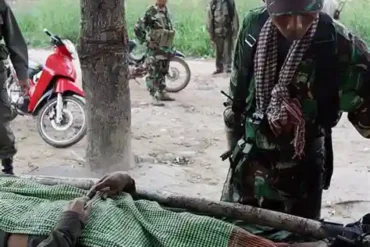
The crisis itself did not emerge overnight. Reports indicate that it can be traced back to May, when an exchange of gunfire in a disputed territory resulted in the death of a Cambodian soldier. Initially perceived as an isolated incident, subsequent events have only deepened the standoff. Most recently, a landmine explosion injured five Thai soldiers, the second occurrence of such an event in a short span. Thai officials allege that Cambodian forces intentionally planted the mines to provoke hostilities, while Cambodia has denied all involvement, further inflaming tensions.
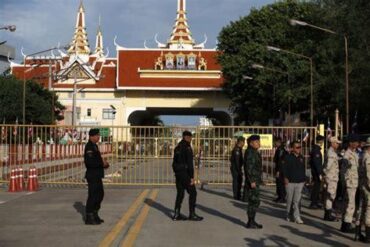
As the fighting continues to escalate, Thai authorities have initiated large-scale evacuations from towns and villages near the border, relocating over 130,000 civilians to safer areas. While Thai leadership claims that military actions are defensive, aimed solely at protecting national borders, they acknowledge the risk of the situation evolving into a full-scale war if not addressed diplomatically. The scale of these evacuations and the looming threat of armed conflict underscore the gravity of the situation. In a region dependent on its reputation as a welcoming tourist destination, the potential for war jeopardizes the entire travel infrastructure.
Currently, seven provinces in Thailand have been designated as no-go zones for tourists due to safety risks. These include:
- Ubon Ratchathani
- Surin
- Sisaket
- Buriram
- Sa Kaeo
- Chanthaburi
- Trat
These provinces, located near the Cambodian border, typically attract both domestic and international visitors for their rich cultural landmarks, heritage sites, and natural beauty. With tourism operations suspended, travelers are strongly advised to consult official Thai channels before proceeding with any travel plans in the region. The abrupt closure of these key destinations has significantly disrupted travel flows, adversely affecting airlines, hotels, and small businesses.
As the tourism sector was beginning to recover from recent global disruptions, this regional crisis presents a formidable new challenge. For Thailand, which derives a substantial portion of its GDP from tourism, this crisis comes at a particularly inopportune time. Those in the travel industry are now forced to reassess their offerings, reroute travel packages, and adjust safety protocols. Hotel operators, tour guides, and transport providers in the affected regions face unexpected losses, compounded by uncertainty about how long the situation may persist. Tourists are being encouraged to exercise maximum caution, remain adaptable, and stay informed through official updates and government advisories.
The early warnings of the crisis were highlighted when the Indian Embassy in Thailand issued a travel advisory, cautioning Indian citizens against visiting several provinces near the Cambodian border. This advisory served as a clear signal that risks had escalated to a level requiring official caution. In addition to Indian travelers, global tourism networks have begun flagging the region as unstable, advising potential tourists to consider alternate destinations for the time being. This shift in travel sentiment is not limited to Indian nationals; it is affecting travelers across the international market.
The unfolding events along the Thailand-Cambodia border serve as a stark reminder of how quickly geopolitical developments can reshape the global travel landscape. The immediate effects are most acutely felt in Southeast Asia, but the repercussions may extend far beyond regional boundaries. Until a resolution is achieved through diplomatic or international intervention, both travelers and industry professionals must navigate this delicate situation with care. For those planning future trips to Thailand, particularly its eastern provinces, the guidance remains consistent: closely monitor the situation, prioritize personal safety, and stay well-informed. Ultimately, the region’s ability to restore its standing as a safe and desirable destination will depend not only on resolving this conflict but also on effectively managing its image, infrastructure, and commitment to ensuring the security of visitors.