In a significant move reflecting the escalating tensions between Thailand and Cambodia, South Korea has issued a travel alert for certain border regions in both countries. The advisory serves as a cautionary measure urging South Korean citizens to reconsider travel to areas near the Thailand-Cambodia border, now deemed unsafe due to ongoing military confrontations. This update follows a series of armed clashes that have raised serious concerns over the safety of travelers in these regions.
The travel alert, effective from July 27, 2025, highlights the seriousness of the situation, prompting the Ministry of Foreign Affairs in South Korea to recommend that nationals avoid any travel to or from the affected areas unless absolutely necessary. The travel advisory is set to remain in effect for 90 days, with the possibility of extension depending on how the situation unfolds in the coming weeks.
Areas Affected by the South Korea Travel Alert
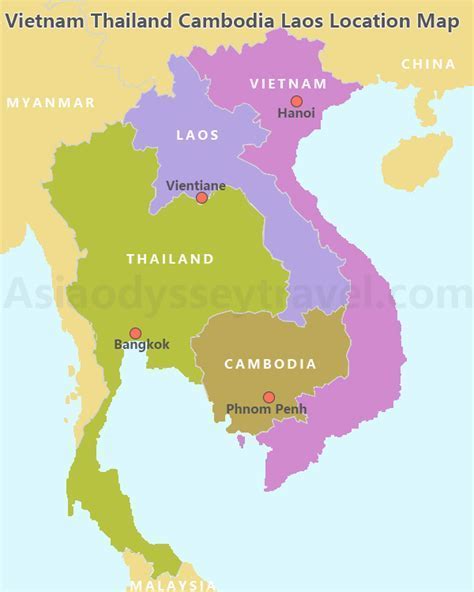
The revised travel alert encompasses several key provinces in both Thailand and Cambodia. In Thailand, the provinces of Surin, Buriram, Sisaket, and Ubon Ratchathani are under heightened scrutiny due to their proximity to the Cambodian border. On the Cambodian side, the provinces of Oddar Meanchey and Preah Vihear have also been classified as high-risk areas. This alert emphasizes the potential dangers posed by ongoing military clashes, which can escalate unpredictably, putting travelers at risk.
Level 2 and Level 3 Travel Warnings
To categorize the level of risk associated with travel to these regions, the government has implemented a two-tier warning system:
- Level 3 Warning: This is the most serious alert, advising against all travel to the aforementioned border provinces, including Surin, Buriram, Sisaket, and Ubon Ratchathani in Thailand, as well as Oddar Meanchey and Preah Vihear in Cambodia. The Level 3 warning underscores the immediate risks posed by the ongoing military conflicts, which have already resulted in confrontations.
- Level 2 Warning: This less severe alert applies to neighboring regions of Thailand and Cambodia. It advises against all non-essential travel to areas that, while not directly affected by the conflict, could still pose potential risks. In Thailand, this includes provinces like Nakhon Ratchasima, while in Cambodia, regions such as Siem Reap and Kampong Thom are included in this advisory.
Importance of Following Government Travel Alerts
The escalation of the South Korea travel alert highlights the critical nature of adhering to official government warnings regarding travel safety. The Ministry of Foreign Affairs has stressed the importance of monitoring updates from reliable sources and following advisories specifically related to Southeast Asia. Travelers currently in or near the affected regions are strongly urged to exercise caution and stay informed about any changes in the situation. South Korea’s government remains committed to ensuring the safety of its citizens abroad, and this travel alert reflects the current instability in these border areas.
Safety Measures and Government Actions
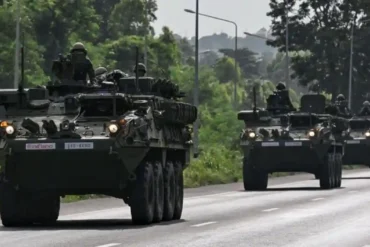
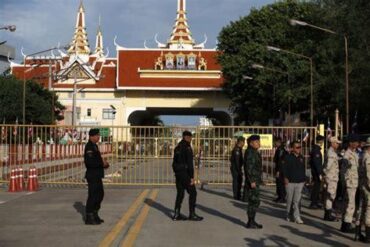
In response to the rising security risks, both the Thai and Cambodian governments have escalated their military and police presence along the border. Despite these measures, the South Korea travel advisory maintains its firm stance, highlighting ongoing concerns regarding the volatile situation. South Korean nationals currently in these regions have been instructed to remain at secure locations and to avoid unnecessary movement. The government encourages its citizens to adhere to the instructions provided by local authorities to ensure their safety.
For those contemplating travel to Southeast Asia, it is advisable to reconsider plans and stay updated on the latest travel safety information.
Impact on Southeast Asia Travel
The issuance of the South Korea travel alert has significant implications for travel across Southeast Asia, especially for tourists planning visits to Thailand or Cambodia. While both countries remain popular destinations for travelers, the current conflict near the border renders certain areas unsafe for visitors. Those who are already in Southeast Asia are advised to keep abreast of the situation through local news outlets and official updates. It is prudent for travelers to exercise caution when planning trips to neighboring regions and to follow guidance from local authorities to mitigate risks.
Conclusion: Stay Informed for Safe Travel
The decision to elevate the South Korea travel alert for border regions in Thailand and Cambodia underscores the unpredictable nature of international travel, particularly in areas affected by military conflict. South Korean nationals, along with other travelers in the region, are urged to remain vigilant and informed about developments in these provinces. The proactive approach of the government, exemplified by the issuance of this travel alert, aims to protect citizens from potential dangers and reinforces the importance of safety during travel. By respecting the warnings issued by official authorities, travelers can sidestep unnecessary risks and ensure their safety while navigating Southeast Asia.
Key Points to Remember
- South Korea travel alert issued for border regions in Thailand and Cambodia.
- Level 3 warnings for Surin, Buriram, Sisaket, and Ubon Ratchathani (Thailand), and Oddar Meanchey and Preah Vihear (Cambodia).
- Level 2 warnings for neighboring areas in Thailand and Cambodia.
- Avoid non-essential travel to high-risk areas and monitor updates from official sources.
- Increased military and police presence in affected regions.
By remaining informed and adhering to government advice, travelers can reduce risks and ensure safer experiences while navigating this challenging situation in Southeast Asia.