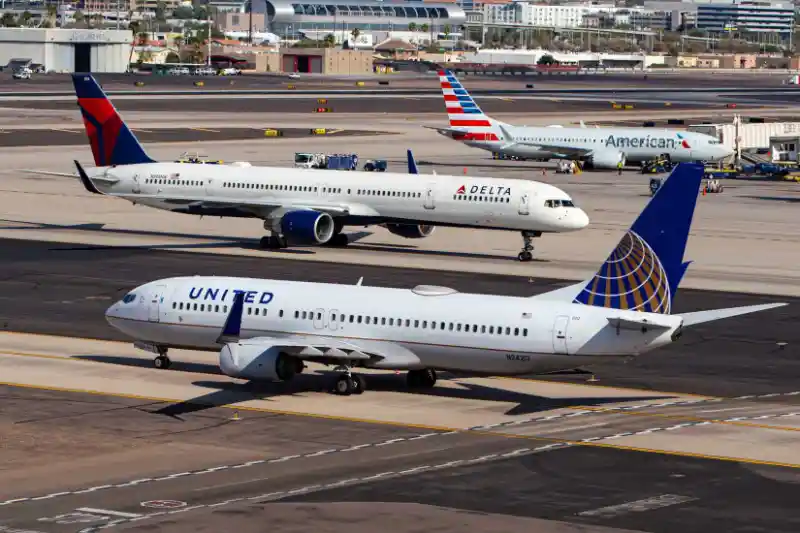
US aviation is closing out a punishing weekend with the clearest signs of recovery yet, as the nation’s airlines move back toward “largely normal” schedules three days after a rare nationwide FAA ground stop froze the country’s airspace on Friday. Delays and cancellations on Monday fell sharply from the staggering volumes recorded across Friday, Saturday, and Sunday, when carriers, airports, and passengers alike worked through a vast backlog of displaced aircraft, crews, and passengers. Transportation Secretary Sean Duffy said operations were approaching “full capacity,” while airline executives acknowledged that a residue of disruption would linger until the last displaced crews and jets returned to position.
The FAA-issued ground stop that opened the crisis was the longest of its kind in the United States since the September 11 terror attacks shut down American airspace in 2001, a comparison that underscored the severity of Friday’s stoppage. Although the four-hour window itself generated heavy delay and cancellation totals, the follow-on damage proved far more costly, with the BBC reporting that more than 17,000 US flights had been cancelled by Sunday. FlightAware data captured the scale of the collapse: on Friday, American, Delta, Southwest, and United each scrubbed more than 1,000 flights, equal to between 26 and 34 percent of their daily schedules.
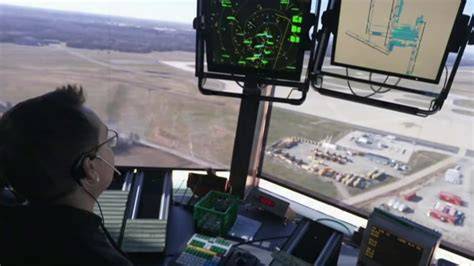
Big Three Airlines Report Return to Full Capacity Operations
Sunday night brought coordinated updates from the “big three” US legacy carriers and the Transportation Secretary, each framing Monday as a turning point. Duffy told reporters that “as we look to the end of the day and into tomorrow, we should be running at full capacity,” a statement that followed Delta’s earlier assessment that “most flights are operating normally.” Delta also cautioned that “some customers may still experience delays or cancellations” and thanked travelers for their patience, a reminder that recovery at the network level does not guarantee a seamless journey for every passenger.
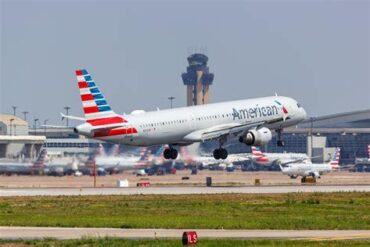
United Airlines CEO Scott Kirby used the moment to praise his carrier’s response while pressing a broader argument, saying that “this moment must be a call to action” on staffing and on modernizing US air traffic control facilities. American Airlines, a oneworld member, struck the most confident tone, stating that it was “prepared to operate a largely normal schedule” on November 16 and adding that “with crews and aircraft in position and favorable weather expected across our system, we are set up for a good start to the week and do not anticipate additional broad cancellations.”
FlightAware Data Tracks Friday Collapse Through Monday Rebound
The numbers laid out by FlightAware trace a crisis that deepened well beyond Friday’s four-hour stoppage. On Friday, the big three each delayed more than 800 flights, while Southwest piled up over 1,300 delays, equivalent to 30 percent of its schedule. Saturday became American Airlines’ worst single day, with 1,428 cancellations representing 42 percent of its operation and 1,062 delays adding another 31 percent, a scale of disruption rarely seen outside a major storm. No other US carrier reached four figures in cancellations that day, though Delta, Southwest, and United all posted more than 1,000 delays.
By Sunday, the picture began to steady, with no airline recording a four-figure cancellation count even as delays remained widespread across the system. Monday morning told a dramatically different story. As of the time of writing, Delta and United had each registered just 10 cancellations, against 159 at American, a spread that reflected how far each carrier’s recovery had progressed and how quickly the network was healing.
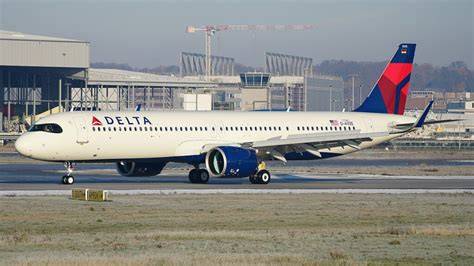
Displaced Aircraft and Crews Leave Residual Disruption in Place
A return to near-normal flying is not the same as an instantaneous reset, because aircraft and crews scattered across the country during the stoppage must still be repositioned before schedules can run as published. That constraint explains the delays and cancellations still appearing on Monday boards, and it drove Delta’s decision to extend its flexible rebooking policy to cover flights on November 16 as well. The carrier is advising passengers who do fly to allow extra time and to check their flight status before leaving for the airport.
Duffy framed the same reality plainly, noting that “we have airplanes and crews that are out of position, so it [will take] a little bit of time” for operations to return to total normality. With the FAA ground stop now behind them and Monday’s cancellations down to double digits at Delta and United, US airlines have restored the bulk of their capacity, and the industry’s attention is shifting from firefighting to the longer-term questions of controller staffing and air traffic control modernization that Kirby and others argue the weekend made impossible to ignore.