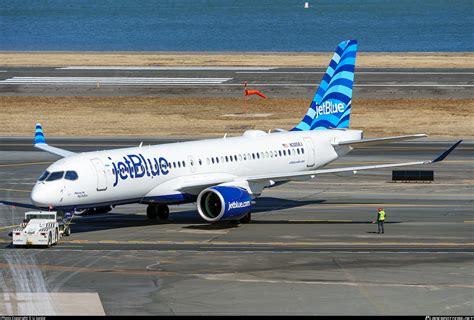
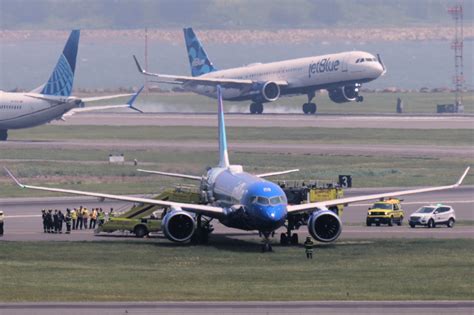
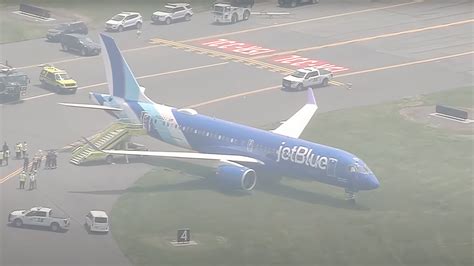
An unexpected and potentially dangerous runway excursion occurred at Boston Logan International Airport (BOS) on Thursday, June 12, when a JetBlue Airbus A220-300, operating as Flight 312 from Chicago O’Hare, veered off Runway 33 shortly after landing. The aircraft, registered N3242J, ended up in a grassy area adjacent to the runway, prompting an immediate ground stop issued by the Federal Aviation Administration (FAA) and a flurry of emergency response activity.
FAA Ground Stop Paralyzes Inbound Traffic
Following the incident, the FAA implemented a ground stop order for all inbound flights to BOS, instructing them to remain at their origin airports until 2:00 PM EST. According to FlightAware, this caused significant disruptions across the region, with outbound departures experiencing delays as long as 45 minutes. The ground stop was lifted at 1:18 PM, roughly 90 minutes after it was put in place, once airport officials had secured and assessed the runway area.
The affected aircraft had landed at approximately 11:49 AM, following a routine flight that departed Chicago O’Hare (ORD) at 9:04 AM CST. The flight reached a cruising altitude of 31,000 feet, maintaining a smooth path eastward before beginning descent near Albany, New York.
Emergency Response and Passenger Safety
JetBlue quickly confirmed that all passengers were safe, with no injuries reported. In accordance with emergency protocols, the aircraft was met by emergency vehicles, and passengers were evacuated via the right aft escape slide. They were then transported to the terminal via buses. Aerial footage shows the aircraft stationary with its landing gear in the grass, surrounded by first responders.
While JetBlue emphasized that “safety is our top priority,” the airline also confirmed it would launch a full investigation in coordination with federal authorities. Aviation experts speculate that the likely cause may have been a nose wheel steering failure, although this has not yet been officially verified.
A Young Aircraft With a Troubling Incident
The aircraft involved, tail number N3242J, is a relatively new member of JetBlue’s fleet. According to ch-aviation, it had only been delivered on January 17, 2025, after its first flight on December 20, 2024. With barely five months in service, the mechanical failure—if confirmed—raises questions about possible manufacturing or systems integration issues in the Airbus A220-300 platform.
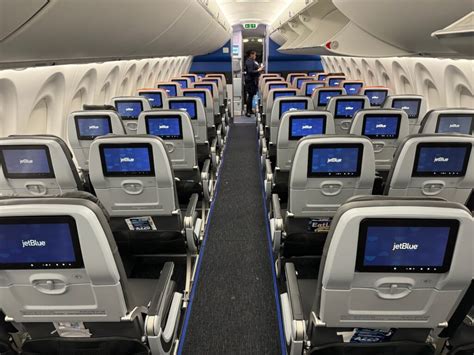
The A220-300 is a next-generation narrowbody aircraft designed for fuel efficiency and passenger comfort, seating between 130 and 160 passengers. JetBlue has made the A220 a key part of its fleet modernization strategy, aiming to replace older Embraer E190s.
Weather and Mechanical Speculation
As of now, it remains unclear whether weather conditions played a role in the excursion. Boston’s meteorological data for the time frame indicated moderate crosswinds and wet runway conditions, both of which can exacerbate control issues during landing.
However, veteran aviation monitor @JonNYC cited “nose wheel steering failure” as a probable cause, based on early technical chatter. This mechanical fault could result in the aircraft becoming unresponsive to pilot inputs after touchdown, explaining the uncommanded swerve into the adjacent grass.
Implications for JetBlue’s Operations
Though no other JetBlue flights were directly impacted by this specific incident, the broader implications for JetBlue’s operational reliability and fleet readiness could be significant. It is likely that N3242J will be grounded for several days pending a detailed inspection and potentially involved in a mandatory airworthiness review by the FAA and Airbus.
JetBlue has not yet commented on whether this specific airframe had any prior technical issues or maintenance flags. Moreover, there’s no available data on what flight N3242J was scheduled to operate next, further hinting at a disruption in the fleet’s planned rotations.
What Is a Runway Excursion?
The aviation industry categorizes runway incidents as either “incursions” or “excursions.” A runway incursion involves any unauthorized presence on a runway—typically involving ground vehicles, aircraft, or personnel. In contrast, a runway excursion refers to an aircraft veering off or overrunning the runway during landing or takeoff.
According to the Flight Safety Foundation, there are roughly 30 commercial runway excursions annually worldwide. The FAA’s 2025 statistics have already reported over 500 incursions, suggesting that while excursions are less frequent, they carry higher risk of structural damage and potential passenger injury.

Industry Reactions and Safety Conversations
The JetBlue incident has reignited industry discussions about pilot training, runway friction management, and the sophistication of automated landing systems. While the Airbus A220 is known for its modern avionics and fly-by-wire technology, even these advancements are not immune to mechanical vulnerabilities or software anomalies.
Aviation safety analysts note that one key factor in minimizing harm during such incidents is crew response time. In this case, the immediate deployment of the emergency slide and the orderly passenger evacuation underscore effective cockpit and cabin crew training.
Logan Airport’s History With Runway Incidents
Boston Logan is one of the busiest airports in the northeastern United States and has seen its share of runway-related events over the decades. The airport’s layout, with runways often intersecting at sharp angles and bordered by water or grass fields, makes it particularly susceptible to adverse weather complications and ground congestion risks.
Past incidents at BOS include:
- A runway overrun by an American Airlines MD-80 in the 1990s.
- A near-miss event in 2005 involving a departing US Airways flight and an incoming aircraft.
The latest JetBlue excursion, though non-lethal and relatively minor in physical damage, adds a new data point to BOS’s operational safety record.
What’s Next for N3242J and JetBlue?
The aircraft will be subject to an extensive mechanical inspection, likely involving removal of the landing gear components for analysis, flight data recorder (FDR) downloads, and software diagnostics. If a design flaw or systemic issue is identified, Airbus may issue an Airworthiness Directive (AD) affecting other A220s in service.
JetBlue, meanwhile, must work closely with the National Transportation Safety Board (NTSB) and the FAA to ensure transparent communication and procedural compliance. The airline’s proactive response so far bodes well for public confidence, but the situation remains fluid.
Broader Implications for the A220 Program
The Airbus A220 program has been generally hailed as a success story, with excellent fuel economy, reduced noise emissions, and strong passenger feedback. But any mechanical failure—particularly one occurring so early in an airframe’s lifecycle—can generate concern among fleet managers and regulators.
This event may prompt other A220 operators such as Delta Air Lines, Air Canada, and SWISS to review their own landing gear maintenance protocols and pilot reporting procedures for anomalies during taxi, takeoff, and landing.
Conclusion: A Wake-Up Call for Caution
While no lives were lost and the aircraft sustained no apparent major damage, the JetBlue A220-300 runway excursion at Boston Logan serves as a stark reminder of aviation’s fine margins for error. As the investigation unfolds, the focus will shift from immediate safety to long-term procedural and mechanical integrity.
The FAA and JetBlue’s rapid response helped avert greater disruption, but stakeholders across the industry will be watching closely to determine whether this was a rare mechanical blip, or a warning sign of deeper issues within the latest generation of commercial aircraft.