Air travel across the U.S. capital region experienced significant disruption after an unexpected technical failure inside the air traffic control infrastructure responsible for managing the crowded skies around Washington, D.C. On Friday afternoon, operations at the regional radar facility were abruptly halted when air traffic controllers detected a strong chemical smell inside the building—later traced to an overheating circuit board.
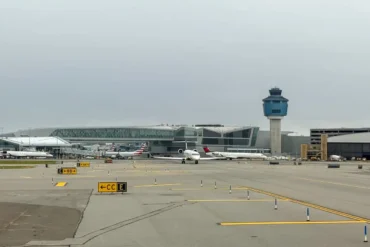
The incident occurred at the facility responsible for coordinating aircraft movements around the capital’s busiest airports: Ronald Reagan Washington National Airport, Washington Dulles International Airport, and Baltimore/Washington International Thurgood Marshall Airport. Because these airports depend on a centralized radar and approach control system, the problem immediately rippled through the region’s aviation network.
Authorities quickly ordered a ground stop, one of the most restrictive safety measures in aviation operations. The directive paused departures bound for the Washington-area airports while the facility was evacuated and emergency services responded. Although the situation was resolved without injuries, the disruption created hours of cascading delays that affected thousands of travelers.
Circuit Board Failure Forces Evacuation of Potomac TRACON
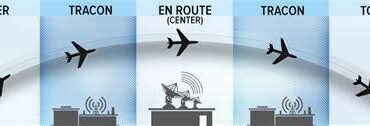
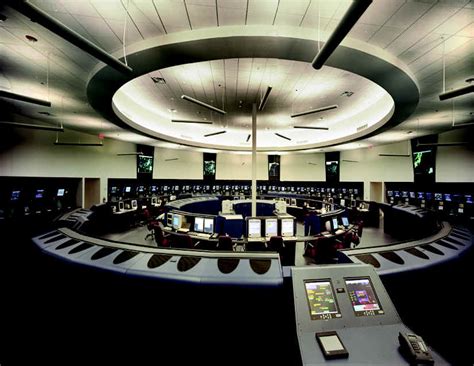
The facility at the center of the disruption was Potomac TRACON, a Terminal Radar Approach Control center responsible for managing aircraft arrivals and departures across the dense and complex airspace surrounding Washington, D.C. These facilities coordinate with airport towers and en-route control centers to guide aircraft safely through takeoff, approach, and landing phases.
At approximately 4:50 PM, controllers inside the building detected a sharp chemical odor—often associated with overheating electronics. Safety protocols require immediate evacuation when such hazards appear, particularly inside buildings packed with high-density radar equipment, communication systems, and computing hardware.
Investigators later confirmed that the smell originated from an overheated circuit board, which had begun to fail inside one of the operational systems. Emergency responders cleared the building while technicians isolated the faulty component and replaced the damaged hardware.
Although the situation posed no danger to staff, controllers could not safely manage aircraft movements while the building was evacuated. The absence of active controllers meant the airspace could no longer be monitored at the level required for safe operations.
Ground Stop Halts Air Traffic Across the Capital Region
The disruption triggered an immediate ground stop issued by the Federal Aviation Administration, effectively pausing aircraft departures bound for the affected airports. Ground stops are rarely used except in severe operational situations, because they halt traffic before aircraft even leave their origin airports.
In practical terms, the directive meant:
- Aircraft already airborne were carefully sequenced or delayed before entering the region.
- Departures headed toward Washington-area airports were held at their origin gates.
- Airport arrival flows were slowed to prevent airspace congestion.
The measure remained in effect for several hours while the TRACON facility was inspected and repaired. Normal operations gradually resumed around 9:00 PM, but the impact extended far beyond that moment.
Passengers Experience Long Delays and Unexpected Cancellations
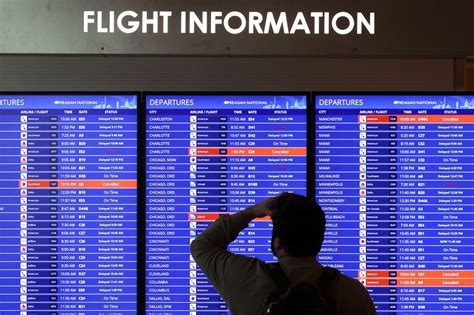
For travelers, the sudden halt in air traffic created widespread confusion and frustration. Even after flights resumed, aircraft queues and schedule disruptions continued to ripple through the system late into the night.
At Washington Dulles International Airport, several passengers reported remaining onboard aircraft parked on the apron for more than an hour while crews waited for clearance to approach gates. Meanwhile, travelers at Ronald Reagan Washington National Airport encountered delays stretching up to three hours as aircraft movements slowly returned to normal.
Some passengers experienced an especially frustrating scenario: flights that had already completed boarding were ultimately canceled once the ground stop was issued. Others reported long waits at baggage claim areas as arriving aircraft accumulated faster than airport systems could process them.
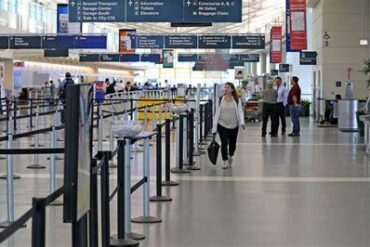
Airports across the region responded by extending operating hours and keeping services open later than scheduled. Security checkpoints, restaurants, and airline customer service counters remained active to support the growing number of delayed passengers.
Airports Coordinate Recovery as Backlogs Clear
Airport authorities quickly issued updates through official websites and social media channels to guide passengers through the disruption. At Baltimore/Washington International Thurgood Marshall Airport, airlines resumed scheduled operations once the ground stop ended, though residual delays continued throughout the evening.
Nearby Richmond International Airport experienced far fewer disruptions. Only a small number of flights were delayed, and a single cancellation affected a route to Atlanta. The airport’s relative distance from the core Washington airspace allowed it to recover more quickly once the TRACON issue was resolved.
By midnight, most flights across the region had resumed normal schedules. However, aviation systems rarely recover instantly from a sudden operational halt, and many aircraft and crews required repositioning throughout the network.
Why TRACON Facilities Are Critical to Aviation Safety
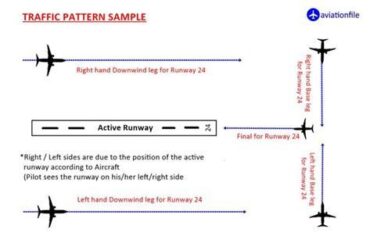
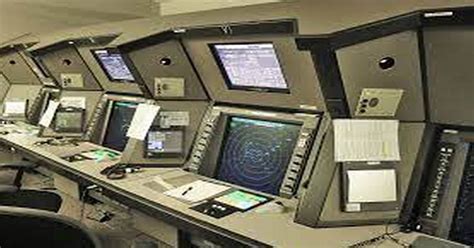
Facilities like Potomac TRACON play an essential role in the layered structure of air traffic management. While airport towers manage immediate runway operations, TRACON centers control aircraft during the complex transition between cruise flight and landing.
The Washington region represents one of the most challenging airspaces in the United States, combining dense airline traffic with military operations, government flights, and strict security restrictions. Controllers must constantly coordinate aircraft routes while maintaining precise separation between dozens of flights moving simultaneously.
Because these systems depend on specialized equipment and highly trained personnel, even a relatively small technical failure—such as an overheated circuit board—can force an immediate shutdown. Safety procedures prioritize risk elimination over operational continuity, which is why ground stops are implemented quickly when critical systems become unavailable.
The incident demonstrated how tightly interconnected modern aviation infrastructure has become. A single component failure inside one control facility temporarily slowed air travel across an entire metropolitan region—an invisible reminder that the vast choreography of global aviation ultimately depends on the quiet reliability of electronic systems and the professionals who monitor them.