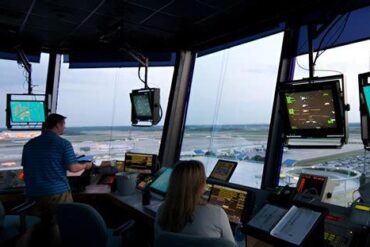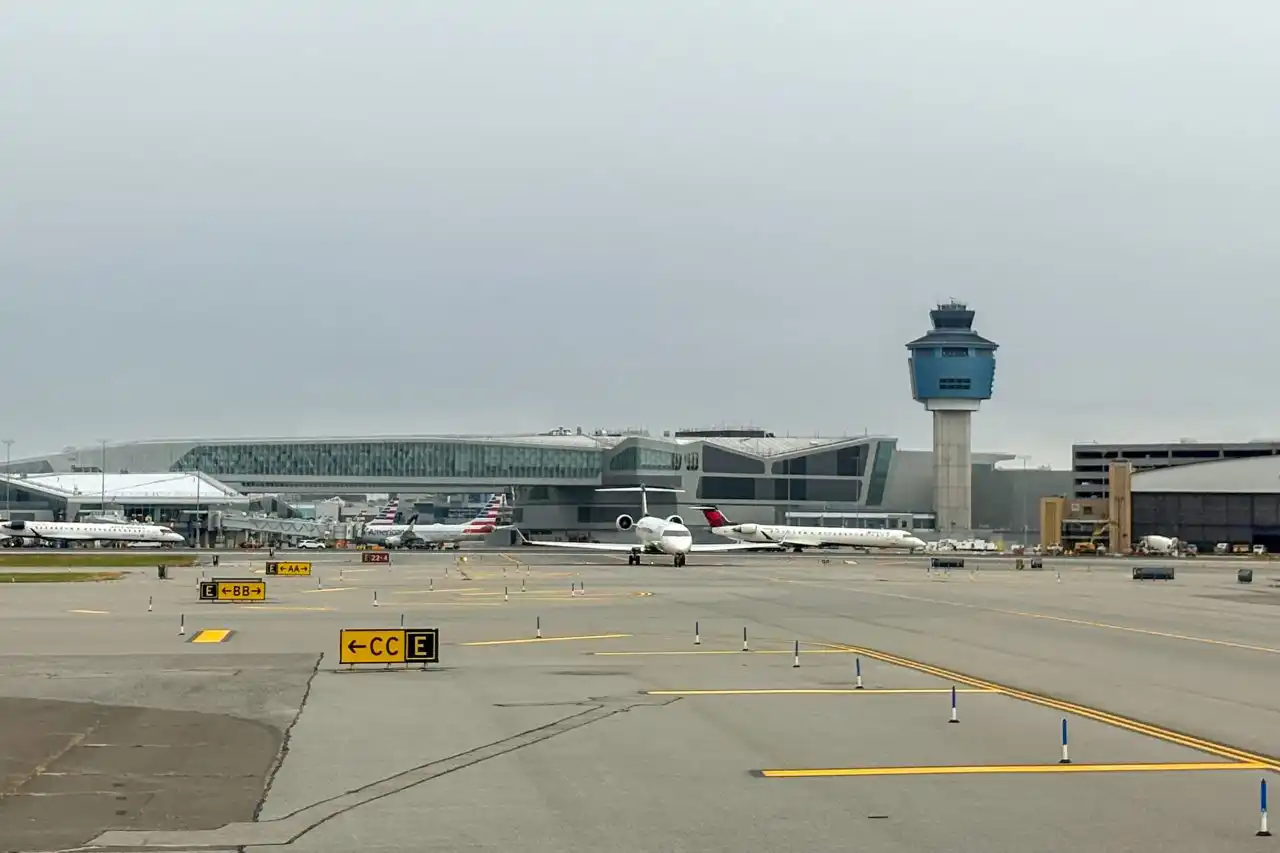
Massive disruption rippled across the East Coast’s airspace on Friday as the evacuation of the Washington Air Route Traffic Control Center (ARTCC ZDC) sent shockwaves through airline operations, paralyzing New York’s JFK Airport with hours-long delays and severe congestion. The sudden evacuation of the FAA’s crucial Washington-area control hub in Leesburg, Virginia, led to immediate ground delays and rerouting, exacerbating the travel chaos as tens of thousands prepared to fly out ahead of the Christmas weekend.
Unprecedented Traffic Chaos at JFK
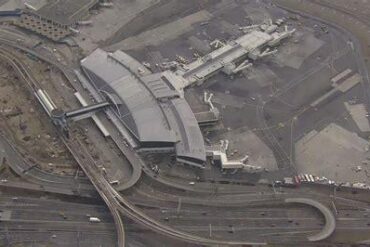
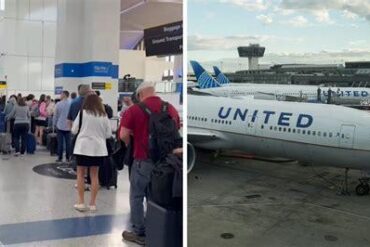
Travelers and flight crews alike were met with a surreal scene: dozens of aircraft lined up across JFK’s taxiways, forming an aerial traffic jam rarely witnessed outside of peak holiday storms. According to pilots communicating with passengers, the sheer volume of aircraft awaiting clearance mirrored the record Thanksgiving weekend of 2023.
The sudden hold on arrivals and reduced outbound clearance authority triggered a domino effect across the airport’s operations. The FAA temporarily halted JFK arrivals altogether, leading to a massive backlog of aircraft waiting to land. Meanwhile, departure delays extended between two to three hours, leaving passengers stranded in terminals or stuck aboard idle aircraft.
Critics were quick to note the rarity of such operational paralysis. “I’ve never seen JFK this locked up,” remarked a veteran airline dispatcher monitoring real-time flight data. Despite efforts to re-sequence and expedite clearances, aircraft movement slowed to a crawl, compounding frustration among travelers.
Scope of the ARTCC ZDC Evacuation Impact
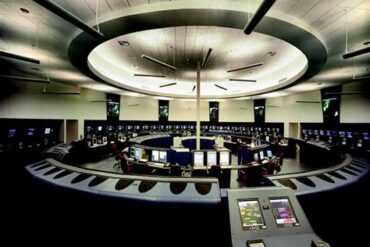
The Washington ARTCC (ZDC) plays a pivotal role in East Coast air traffic, managing a staggering 165,000 square miles of airspace. This includes critical corridors over New York, New Jersey, Pennsylvania, Delaware, North Carolina, and West Virginia. It’s the fourth-busiest air traffic control center in the U.S., covering some of the most congested and strategically vital air routes in North America.
Located in Leesburg, Virginia, ARTCC ZDC is responsible for the safe separation of enroute aircraft—those flying at cruising altitudes between terminal zones. The facility’s coverage includes eight distinct sectors spanning low to super-high altitude levels, coordinating traffic over numerous high-volume hubs such as JFK, Newark, Philadelphia, and Washington Dulles.
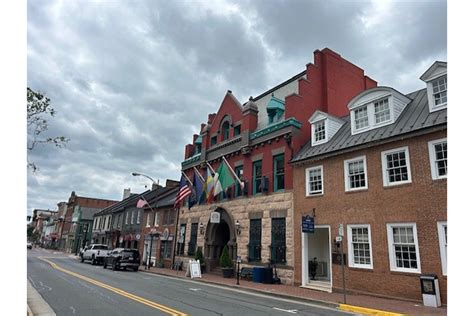
When ZDC was forced to evacuate, its airspace responsibilities were temporarily suspended, compelling adjacent control centers to assume portions of its duties. This transition, however, is rarely seamless. With fewer controllers and higher workload, traffic throughput dropped precipitously, causing a cascading effect of delays across the East Coast’s busiest air routes.
Passengers Face Long Waits, Airlines Struggle to Recover
Flight boards at JFK throughout the day were littered with red delays. While no mass cancellations were reported, the real issue became one of throughput: getting aircraft out and cleared efficiently. Apron congestion slowed gate access, and many arriving flights were left circling or holding until they could be safely accommodated.
The delay impacted not just passenger flights but also cargo operations, adding to peak-season stress on logistics providers. JFK, being a major international freight hub, saw freighters delayed on the ground, waiting for their turn in a packed queue of departures.
Adding to the chaos, the FAA remained tight-lipped, with no official statement provided by the time of publication. Travelers and airlines alike were left relying on sparse updates from flight crews and airport staff, fueling confusion.
Social Media Buzz and Passenger Frustration
As the day wore on, Reddit threads and X (formerly Twitter) updates surged, with travelers sharing photos of congested terminals, long waits, and aircraft stacked on taxiways. Many passengers voiced frustration over the lack of communication and transparency from both the FAA and airlines. Others expressed concern over the broader implications of an ATC evacuation, raising questions about contingency protocols for such events.
Several aviation analysts noted that while the FAA trains for these rare events, the suddenness of an evacuation still presents major coordination challenges. “You can’t just hand off 165,000 square miles of airspace in five minutes. It’s a massive logistical lift,” said one expert.
A Christmas Travel Crisis in the Making?
With just days to go before Christmas, this disruption couldn’t have come at a worse time. Airports are already bracing for record traffic this weekend, with TSA forecasting over 2.5 million passengers moving through U.S. airports daily through December 24.
JFK, as one of the nation’s most crucial international gateways, plays a key role in this travel surge. The Friday disruption serves as a grim warning: even a single node in the complex air traffic network—when compromised—can send shockwaves nationwide.
Travelers are now being urged to arrive early, prepare for extended wait times, and stay closely tuned to airline updates. While JFK’s official social media channels remained silent on the exact nature of the delay, they have reiterated that holiday volume will be exceptionally high, recommending at least 3 hours lead time before departure.
Recovery Underway But Lingering Delays Expected
By late evening, some aircraft movement at JFK had begun to normalize, but residual delays persisted. Airlines scrambled to reassign crews, adjust schedules, and manage out-of-sequence flights, especially for international connections where missed slots can ripple into multi-day delays.
The FAA has not yet released a timeline for full operational restoration of the ZDC facility, nor has it confirmed the nature of the evacuation—whether it was a precautionary fire drill, a security threat, or an environmental hazard.
Until more information is made public, travelers are being advised to monitor flights closely, use airline apps for real-time gate info, and maintain flexibility. With the holiday peak imminent, any further disruptions could push the already-stretched system to a breaking point.
Conclusion: Fragility of the Skies Revealed
The sudden breakdown in East Coast air traffic control operations reveals just how delicate the U.S. aviation infrastructure truly is. A single point of failure—in this case, the ARTCC ZDC evacuation—can bring the entire corridor to a near standstill. As JFK continues to dig out from the operational backlog, it’s a stark reminder that behind every flight is a complex, interwoven network of human decision-making, technology, and coordination.
For travelers, patience will be essential. For regulators and industry leaders, this event will undoubtedly spark renewed conversations about redundancy, crisis response, and air traffic resilience. With Christmas around the corner, the hope is that skies clear—both literally and operationally—before the next wave of passengers takes off.