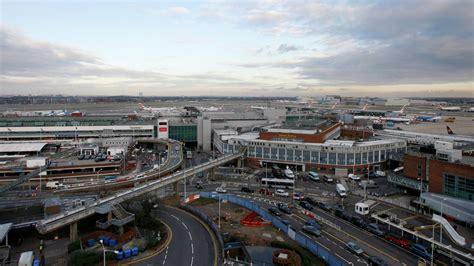
Heathrow Airport, one of the busiest airports in the world, faced significant disruptions on July 25, 2025, due to a fire alarm incident in Terminal 3. This unexpected event led to the evacuation of several areas within the terminal, creating chaos as passengers were forced to leave their locations in a rush. The sudden nature of the evacuation caught many travelers off guard, leading to large queues and a temporary halt in baggage claim services while emergency crews assessed the situation. Fortunately, despite the alarm’s intensity, no major flight cancellations were reported, but travelers experienced a mix of delays and confusion as they navigated through the aftermath of the incident.
The fire alarm was triggered unexpectedly, prompting immediate responses from the airport’s emergency services. Passengers found themselves instructed to exit the terminal areas swiftly as fire crews arrived on the scene. The rapid evacuation led to a flurry of activity, with crowds forming as individuals scrambled for information and safe passage to designated areas away from the potential danger. Although initial reactions included anxiety and uncertainty, Heathrow Airport officials quickly assured the public that the situation was under control and being thoroughly investigated. The airport staff worked diligently to restore order amidst the growing crowd, yet the evacuation’s repercussions were felt across various operational aspects of the airport.
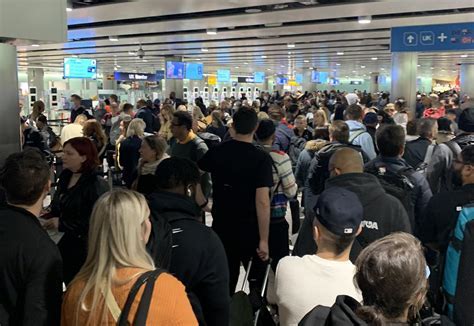
As the incident unfolded, passengers within Terminal 3 were required to vacate the area, leading to a significant disruption in normal operations. Baggage claim services were temporarily suspended, further complicating the travel experience for those arriving at the airport. The emergency response teams acted promptly, ensuring the safety of all individuals involved and minimizing any potential risks associated with the fire alarm. Although the situation was alarming, it provided a critical reminder of the necessity for rigorous safety protocols in busy transport hubs such as Heathrow.
The Impact of Heathrow Airport Flight Delays
Despite the chaos caused by the fire alarm, the actual impact on flight schedules at Heathrow Airport was somewhat mixed. Most departing flights continued to operate on schedule, which was a relief for many travelers. However, some flights, particularly an Aer Lingus service to Dublin, experienced delays as the evacuation disrupted the flow of passengers through the terminal. Fortunately, incoming flights remained largely unaffected by the incident, allowing for a smoother transition for travelers arriving at the airport.
Travelers were advised to stay connected with their respective airlines for real-time updates regarding any changes in flight schedules or potential delays. The situation highlighted the importance of staying informed during unforeseen events that could affect travel plans. Here’s a closer look at the overall impact:
- Delays: Certain flights faced delays, particularly those affected by the evacuation process.
- Cancellations: No major cancellations were recorded for either incoming or outgoing flights.
- Recommendations: Passengers were encouraged to check with airlines and monitor the Heathrow Airport passenger updates regularly to stay informed.
Passenger Advice and Travel Tips
In light of the disruptions caused by the fire alarm evacuation, Heathrow Airport took proactive steps to provide advice and support for travelers impacted by the situation. Recognizing the need for clear communication and guidance, the airport issued several recommendations aimed at helping passengers navigate the challenges posed by the incident. Key advice included:
- Check Flight Status: Always verify the status of your flight before heading to the airport to avoid unnecessary delays.
- Allow Extra Time: Given the disruptions caused by the evacuation, it is advisable to allocate more time than usual for security checks and to reach your gate.
- Stay Informed: Regularly check for the latest announcements from the airport and your airline to keep updated on any changes to flight schedules or gate assignments.
Return to Normal Operations at Heathrow
As the investigation into the fire alarm concluded, Heathrow Airport began to return to its regular operational capacity. Terminal 3 was cleared, and the evacuation was officially lifted, enabling flights to resume without significant interruptions. While some delays persisted during the incident, the overall effect on Heathrow’s flight schedule was minimal. Most travelers were able to continue with their plans, thanks in part to the swift resolution of the situation by airport staff and emergency responders. The chaotic scenes were alleviated as normalcy returned, allowing passengers to embark on their journeys once more.
The incident serves as a vital reminder of the unpredictable nature of air travel, where unexpected situations can arise without warning. Despite the initial confusion and long queues experienced by passengers, Heathrow Airport managed to mitigate the impact of the fire alarm evacuation effectively, ensuring a smooth return to regular operations as soon as the situation was resolved. For those traveling through Heathrow, it remains crucial to stay informed by checking passenger updates regularly and confirming the status of flights directly with airlines. Planning ahead and maintaining awareness during such events can significantly enhance the travel experience, helping passengers navigate through any potential disruptions.
In conclusion, while the fire alarm incident at Heathrow Airport caused temporary chaos and delays, the prompt actions of emergency services and airport staff ensured that the overall impact on travel was minimized. As travelers reflect on this experience, the importance of preparedness and vigilance remains paramount in the ever-evolving landscape of air travel.