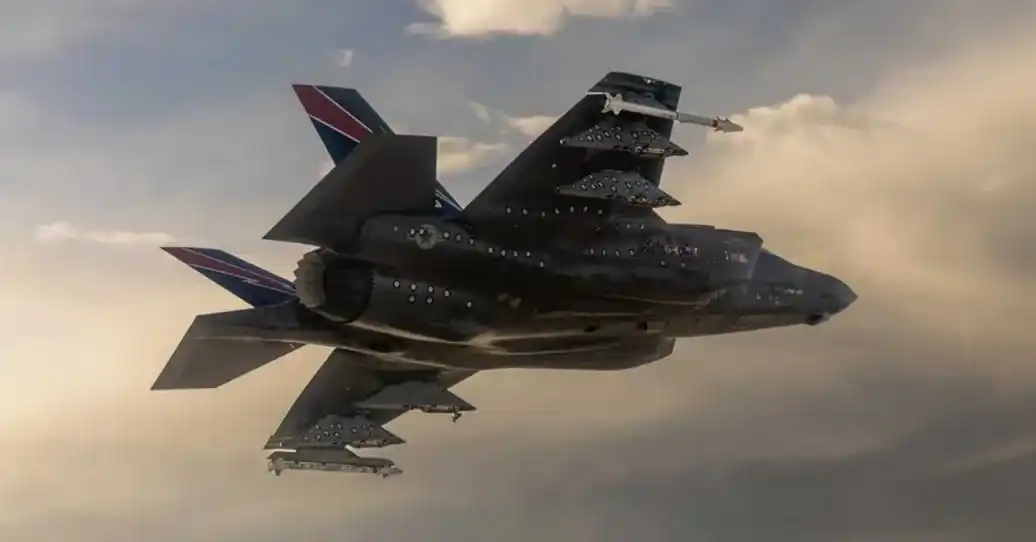
The F-35 Block 4 update represents the most significant and comprehensive modernization effort in the history of the F-35 program. This upgrade initiative aims to ensure that the F-35 fighter jet remains at the cutting edge of technological advancements throughout the next several decades. With its multifaceted approach encompassing hardware, software, sensors, weapons, and electronic warfare capabilities, Block 4 transforms the F-35 into a more powerful, efficient, and versatile aircraft.
This article delves into the critical upgrades of the F-35 Block 4, examining its enhanced hardware systems, advanced sensors, expanded weapons capabilities, and improved software architecture. We will also discuss the project’s progress, the challenges faced, and the future trajectory of the F-35, including Block 5 and beyond.
Hardware Upgrades: A Leap Forward in Processing Power
One of the cornerstone improvements in Block 4 is the introduction of the TR-3 hardware update, which brings a next-generation integrated core processor (ICP) to the F-35. This advanced processor significantly boosts the aircraft’s computing power, offering a 25x increase in processing capability over previous models. The TR-3 update also enhances memory and storage capacity, making it capable of supporting advanced technologies like artificial intelligence-assisted decision-making, high-bandwidth data processing, and complex sensor fusion.
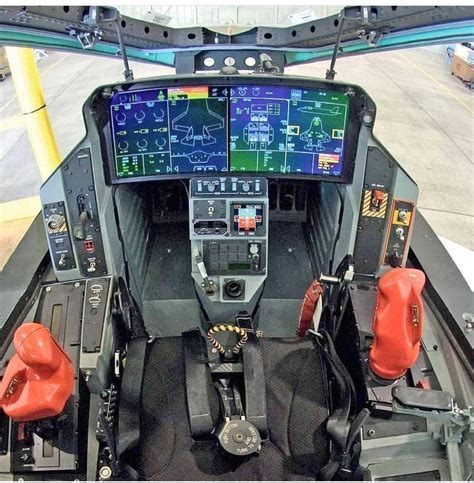
In addition to computational improvements, Block 4 also includes significant advancements in the cockpit experience. The F-35’s panoramic cockpit display is upgraded to a high-resolution system, providing pilots with a clearer and more intuitive view of their surroundings. This upgrade is crucial for improving situational awareness and ensuring pilots can make informed decisions in high-stress combat scenarios.
Moreover, the F-135 engine core upgrade (ECU) enhances the engine’s thrust, fuel efficiency, and cooling capacity. The new engine modification provides a 50% increase in cooling power, which is essential for supporting the additional electronic systems integrated into the F-35. This upgrade ensures that the aircraft maintains optimal performance under the demanding conditions of modern aerial warfare.
Sensor and Electronic Warfare Upgrades: Superior Situational Awareness
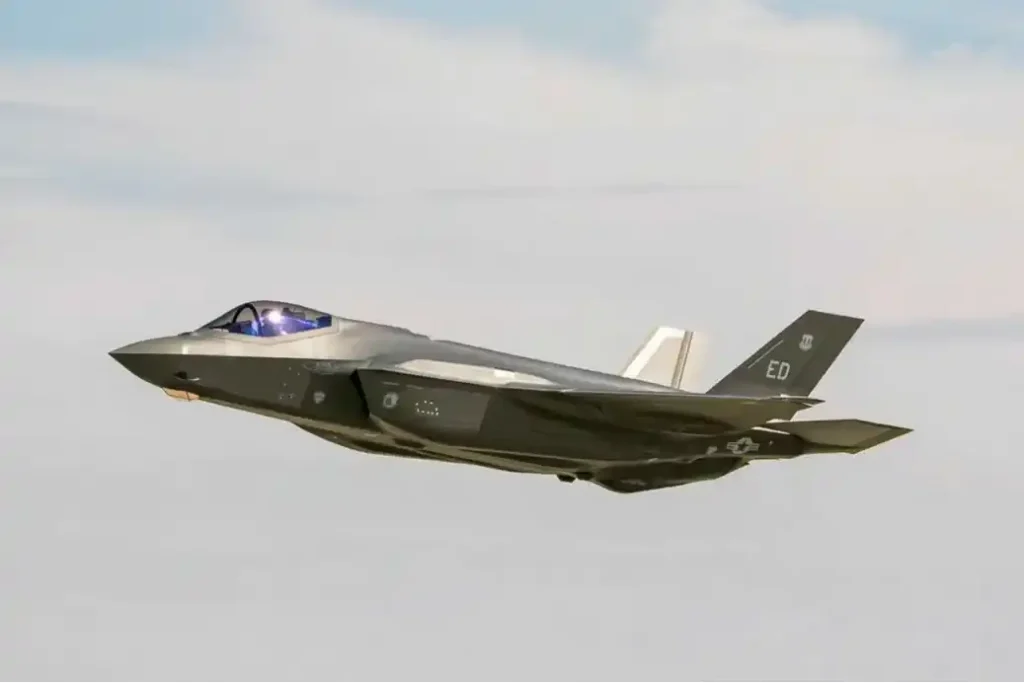
The F-35 Block 4 also integrates cutting-edge advancements in sensor and electronic warfare systems, which are critical for both offensive and defensive operations. Among the most notable upgrades is the replacement of the AN/APG-81 radar with the AN/APG-85 active electronically scanned array (AESA) radar. This new radar system offers significantly improved detection range, resolution, and electronic warfare capabilities, enabling the F-35 to execute more precise air-to-air and air-to-ground missions.
The Distributed Aperture System (DAS) also receives a significant upgrade with the integration of Northrop Grumman’s next-generation DAS. This system provides 360-degree real-time infrared imagery, which enhances the F-35’s missile warning, targeting, and night-time operational capabilities. With improved thermal management, lower latency, and higher resolution, the DAS elevates the F-35’s ability to detect threats from all directions, giving pilots a tactical advantage in hostile environments.
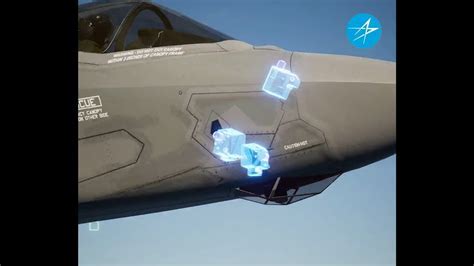
Another critical upgrade involves the AN/ASQ-239 “Barracuda” electronic warfare system. This system, known for its superior radar jamming, passive signal detection, and electronic countermeasures, has been enhanced to support a broader frequency range. These upgrades provide the F-35 with greater flexibility and effectiveness in electronic warfare, enabling it to disrupt adversary radar and communication systems while maintaining its own stealth and operational integrity.
Expanded Weapon Systems: Enhanced Strike and Defensive Capabilities
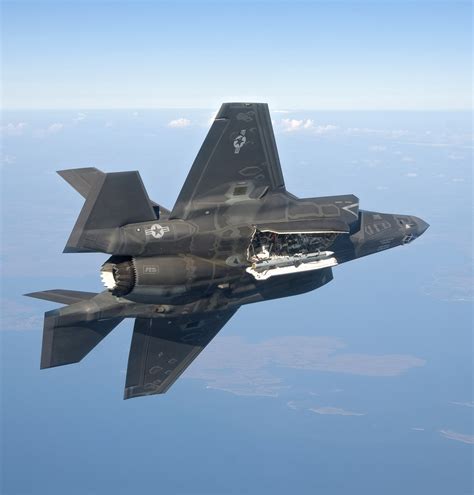
Block 4 significantly expands the F-35’s weapon systems, providing enhanced flexibility for various mission types. The internal weapons bay, which originally carried up to four AIM-120 AMRAAMs, is now capable of holding six of these advanced air-to-air missiles. This upgrade increases the F-35’s strike capabilities, allowing it to engage multiple airborne targets simultaneously with greater effectiveness.
The integration of the AIM-260 Joint Advanced Tactical Missile (JATM) further bolsters the F-35’s ability to counter long-range threats. This missile, designed to defeat advanced adversary air defense systems, complements the existing AMRAAM and significantly enhances the F-35’s Beyond Visual Range (BVR) combat capabilities. Additionally, the inclusion of European Meteor missiles further extends the F-35’s long-range capabilities in air-to-air combat.
On the air-to-ground side, Block 4 introduces several new weapons, including the AGM-88G Advanced Anti-Radiation Guided Missile-Extended Range (AARGM-ER), GBU-53/B Small Diameter Bomb II (SDB II), and the Norwegian Joint Strike Missile (JSM). These additions enable the F-35 to conduct precision strikes against both radar systems and land-based targets in all weather conditions.
Furthermore, the F-35A model has been certified to carry the B61-12 nuclear bomb, which increases its strategic deterrence capabilities in modern warfare scenarios.
Software and Networked Warfare: Adapting to Modern Combat Needs
Block 4 places a significant emphasis on modular software and networked warfare capabilities. The system architecture now supports rapid integration of new technologies, such as the ThNDR laser infrared countermeasure system, which can protect the aircraft from incoming missiles and other threats.
Additionally, the data fusion and interoperability capabilities of the F-35 have been significantly upgraded, improving its ability to share real-time intelligence with other military assets, such as ground forces, aircraft, and satellites. The integration of the ROVER (Remote Operations Video Enhanced Receiver) functionality allows for the real-time transmission of targeting data to support collaborative, multi-domain operations.
The F-35’s software updates are delivered through a Continuous Capability Development and Delivery (C2D2) model, which allows for incremental updates every six months. However, early versions of the Block 4 software were delayed due to stability issues, and the full certification of the TR-3 software may not occur until early 2026.
Progress and Challenges: A Multi-Phase Delivery
The F-35 Block 4 upgrades are being delivered in phases, with the final set of capabilities expected to be fully operational by the early 2030s. This gradual delivery approach helps manage the complexity of integrating such advanced technologies while ensuring that the aircraft remains operational throughout the update process.
However, the project has encountered its share of challenges. The Government Accountability Office (GAO) has recommended that Block 4 be treated as an independent defense acquisition program to improve oversight and prevent cost overruns and delays. These issues highlight the inherent difficulty of modernizing such a complex, cutting-edge system, and the pressure to deliver on time amidst rapidly evolving technological demands.
The Future of F-35: Beyond Block 4
Looking beyond the Block 4 update, the F-35 program is already evaluating the next round of upgrades, known as Block 5. This upcoming iteration will further enhance the aircraft’s sensor, electronic warfare, and weapon systems, ensuring that the F-35 remains at the forefront of next-generation combat aircraft for decades to come.
As the world enters a new era of great power competition, maintaining a technological edge will be crucial for U.S. and allied forces. The F-35 Block 4 represents a critical milestone in this effort, enabling the aircraft to operate seamlessly in a multi-domain, networked environment while adapting to emerging threats and technologies.
Frequently Asked Questions
1. What is the F-35 Block 4 upgrade?
The F-35 Block 4 upgrade is a comprehensive modernization of the F-35 fighter jet, which includes improvements in hardware, sensors, weapons, and software. It aims to enhance the jet’s overall performance and capabilities, ensuring its technological superiority in the coming decades.
2. How does the F-35 Block 4 radar system differ from previous versions?
The AN/APG-85 radar in the Block 4 upgrade replaces the older AN/APG-81 radar and offers improved detection range, resolution, and electronic warfare capabilities. This allows the F-35 to engage a wider variety of targets with greater precision in both air-to-air and air-to-ground operations.
3. When will the F-35 Block 4 upgrades be fully operational?
The F-35 Block 4 upgrades are expected to be delivered in phases, with full operational capability anticipated by the early 2030s. The TR-3 software certification, a critical part of this upgrade, is expected to be completed by early 2026.