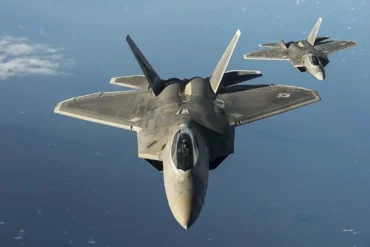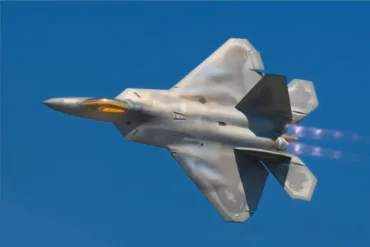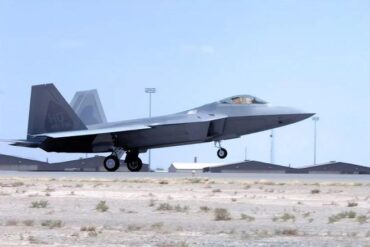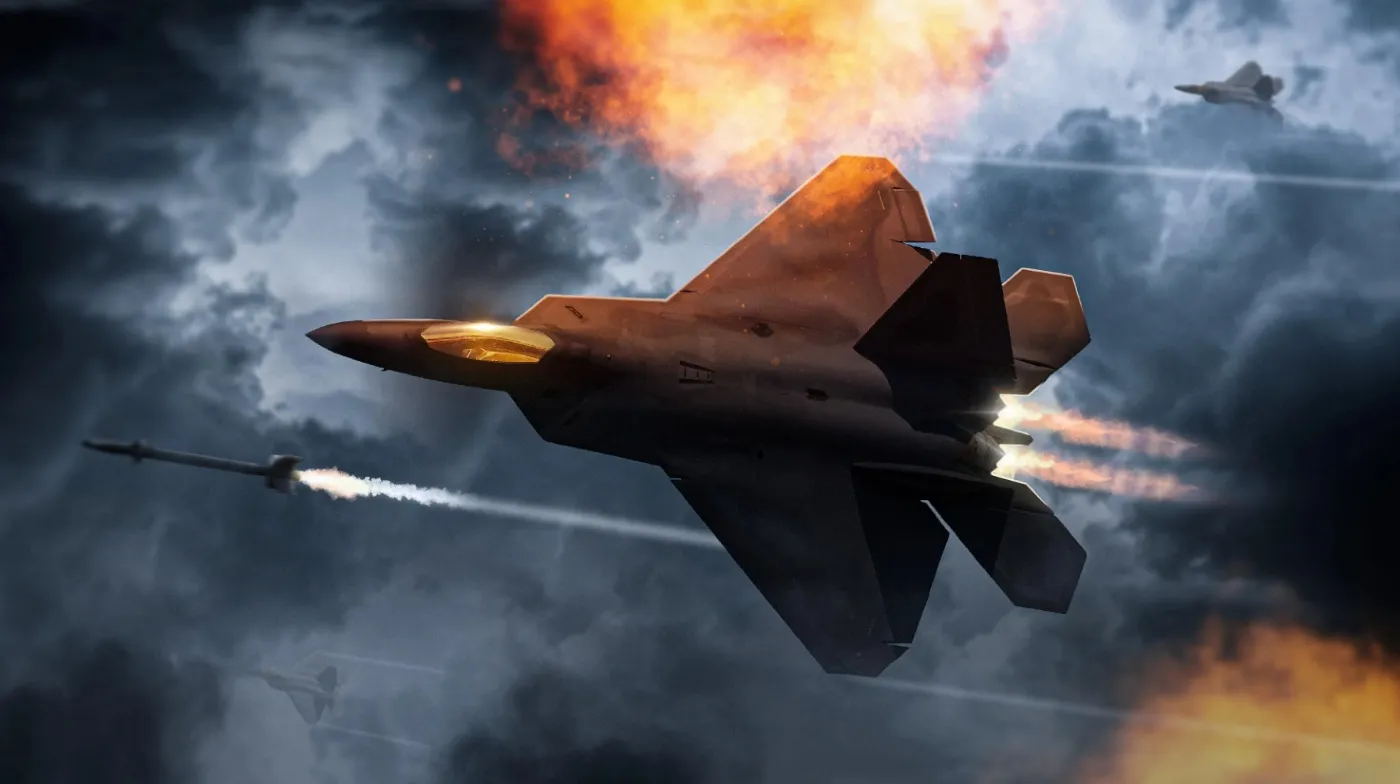
The Lockheed Martin F-22 Raptor, the world’s premier fifth-generation stealth fighter, has played a pivotal role in U.S. military operations across various conflict zones. Its involvement in Yemen has sparked intense debate, with reports of precision strikes against Houthi forces, as well as disputed claims regarding its vulnerability. This article delves into the F-22’s deployment, mission objectives, controversies, and ongoing upgrades, shedding light on its impact in the Yemen conflict.
F-22 Deployment in Yemen: Strategic Airstrikes Against Houthi Forces
On March 16, 2025, U.S. forces launched a large-scale airstrike against Houthi military positions in northern Yemen. As part of this operation, the F-22 Raptor was deployed to neutralize enemy radar stations and air defense systems. This mission was critical to ensuring air superiority, preventing Houthi forces from detecting and engaging incoming coalition aircraft.
Precision Strike Capabilities
The F-22’s stealth technology allowed it to penetrate high-risk airspace undetected, targeting Houthi radar installations, surface-to-air missile (SAM) sites, and command centers. Key advantages of the F-22 in this operation included:
- Stealth Superiority – Its low radar cross-section (RCS) enabled it to operate deep inside enemy-controlled airspace without detection.
- Electronic Warfare & Sensor Fusion – The F-22’s AN/ALR-94 electronic warfare suite provided early warnings of enemy radar threats.
- High-Precision Munitions – Armed with GBU-39 Small Diameter Bombs (SDBs) and JDAMs, the F-22 conducted surgical strikes on critical enemy assets.
The U.S. Navy’s carrier strike group supported the F-22 operations, ensuring multi-platform coordination. This strategic cooperation allowed for real-time target assessment and adaptive strike strategies.
Houthi Claims of Downing an F-22: Dissecting the Controversy
Since 2024, multiple unverified claims have surfaced, alleging that Houthi rebels shot down an F-22. These statements, often circulating on social media platforms, lack credible evidence and contradict the technological reality of modern aerial combat.
Assessing the Feasibility of an F-22 Shootdown
Several factors cast serious doubt on the authenticity of these claims:
- Advanced Stealth Design – The F-22’s radar-evading capabilities make it extremely difficult for Houthi legacy air defense systems to track and engage.
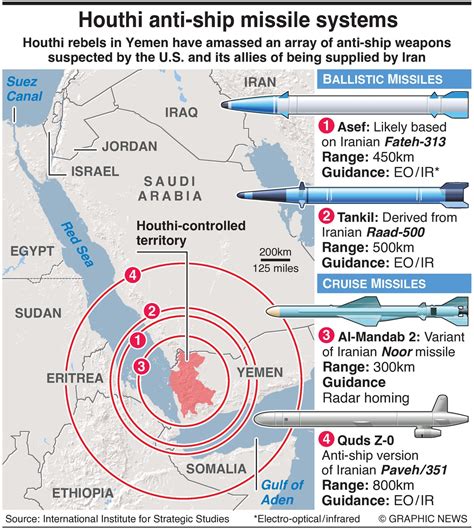
- Obsolete Enemy Air Defenses – The Houthi arsenal primarily consists of Soviet-era SA-2, SA-6, and SA-8 SAMs, which struggle to detect modern stealth aircraft.
- No Confirmed Wreckage – Alleged photos of “F-22 debris” shared online were later debunked as misattributed images from past military incidents.
- U.S. Military Response – The U.S. Air Force outright denied any F-22 losses, maintaining that all deployed aircraft returned safely to base.
The lack of verifiable evidence suggests these claims are part of an information warfare strategy, aimed at boosting Houthi morale and undermining U.S. military credibility.
F-22 Modernization: Enhancements for High-Threat Environments
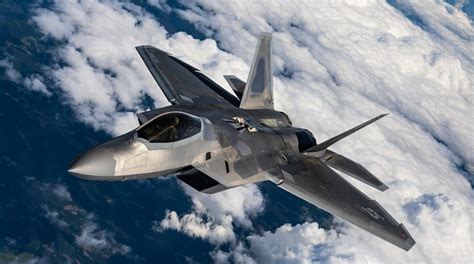
As the F-22 Raptor continues frontline operations, ongoing technological upgrades enhance its survivability, lethality, and adaptability.
Infrared Defensive System (IRDS) Implementation
The addition of an advanced infrared defensive system (IRDS) significantly improves missile detection and countermeasure deployment. This system enhances the F-22’s ability to detect infrared-guided threats, particularly from shoulder-fired MANPADS or ground-based infrared tracking systems.
Stealth Fuel Tanks & Sensor Pods
One of the F-22’s historical limitations has been range constraints. To address this, the U.S. Air Force has integrated:
- Conformal Stealth Fuel Tanks – Extended combat radius while maintaining stealth integrity.
- External Sensor Pods – Enhanced detection and engagement of adversary stealth aircraft.
These improvements ensure the F-22 remains operationally effective in complex battlespaces like Yemen.
Software & Data Link Enhancements
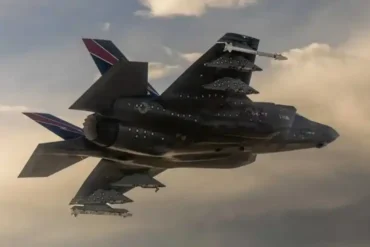
The F-22’s data-sharing capabilities have been historically limited due to its unique communication architecture. However, recent software updates integrate the Link-16 tactical data link, allowing for seamless coordination with other allied platforms such as:
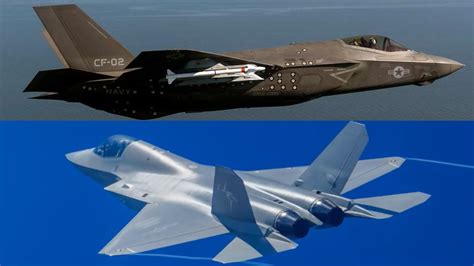
- F-35 Lightning II
- EA-18G Growler electronic warfare aircraft
- E-3 Sentry AWACS
By enhancing its network-centric warfare capabilities, the F-22 can now exchange real-time battlefield data more efficiently.
Strategic Implications of F-22 Operations in Yemen
The deployment of the F-22 in Yemen underscores several critical military and geopolitical implications:
- Deterrence Against Iranian Influence – The Houthis receive military backing from Iran, and the F-22’s presence serves as a deterrent against further regional escalation.
- Advancement of U.S. Air Superiority Doctrine – The successful suppression of enemy air defenses (SEAD) reaffirms the F-22’s role as a first-strike asset.
- Future Deployment Considerations – While effective, the F-22 requires high maintenance, leading to discussions about limiting its long-term overseas deployments.
FAQs About the F-22 in Yemen
1. Why was the F-22 used in Yemen instead of the F-35?
While the F-35 is a versatile multi-role fighter, the F-22 excels in air dominance and SEAD missions. Its superior stealth, speed, and agility make it more suitable for neutralizing enemy air defenses in hostile environments.
2. Did the Houthis really shoot down an F-22?
There is no credible evidence supporting these claims. The F-22’s stealth capabilities and enemy radar limitations make a successful engagement highly unlikely. The U.S. Air Force has confirmed that all deployed F-22s returned safely.
3. What upgrades ensure the F-22 remains dominant?
Key F-22 upgrades include:
- Infrared Defensive System (IRDS) for enhanced missile threat detection
- Stealth fuel tanks & sensor pods for extended range and battlefield awareness
- Link-16 integration for better multi-platform coordination
These enhancements ensure the F-22 remains at the forefront of modern air combat.
The F-22’s role in Yemen demonstrates its unparalleled ability to dominate contested airspace, securing U.S. military objectives while maintaining operational superiority. As technological advancements continue, the Raptor will remain a critical asset in future conflicts.