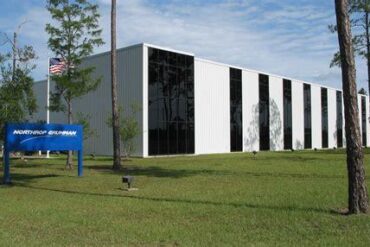
Northrop Grumman stands at the forefront of hypersonic technology, redefining the landscape of modern warfare through a dual focus on offensive strike capabilities and advanced defensive systems. As geopolitical threats evolve and near-peer adversaries such as China and Russia expand their hypersonic arsenals, the United States is relying heavily on defense contractors like Northrop Grumman to maintain strategic superiority in the high-speed battlespace.
Hypersonics Center of Excellence: Manufacturing for the Future
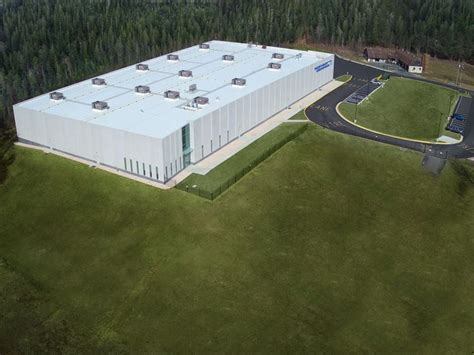
At the heart of Northrop Grumman’s hypersonic strategy is its Hypersonics Center of Excellence, located in Elkton, Maryland. This 60,000-square-foot facility symbolizes a shift toward rapid prototyping and scalable production of scramjet-powered weapons. It embodies a manufacturing ethos centered on speed, precision, and affordability.
Utilizing additive manufacturing—specifically 3D printing—Northrop Grumman is able to create components capable of withstanding the extreme heat and stress of hypersonic flight, typically exceeding 1,500 degrees Celsius. These cutting-edge techniques significantly shorten production cycles, reduce cost overruns, and improve the structural reliability of hypersonic systems.
Offensive Capabilities: Hypersonic Strike Systems in Development
Northrop Grumman’s offensive portfolio is anchored by two flagship programs that are reshaping long-range precision strike doctrine:
Hypersonic Attack Cruise Missile (HACM)
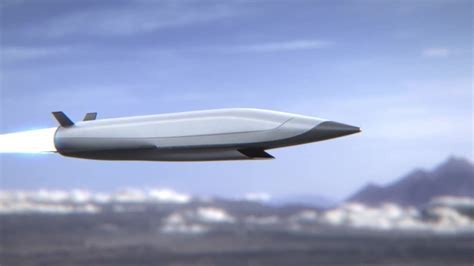
In a critical partnership with Raytheon, the Hypersonic Attack Cruise Missile (HACM) is designed to exceed speeds of Mach 5, delivering kinetic effects against time-sensitive or heavily defended targets. Northrop Grumman supplies the propulsion system—a scramjet engine—capable of maintaining high-speed air-breathing flight deep into enemy territory.
Operational deployment is targeted for the late 2020s, and ongoing testing has demonstrated encouraging performance in range, payload capacity, and guidance systems.
HAWC Program: A DARPA Milestone
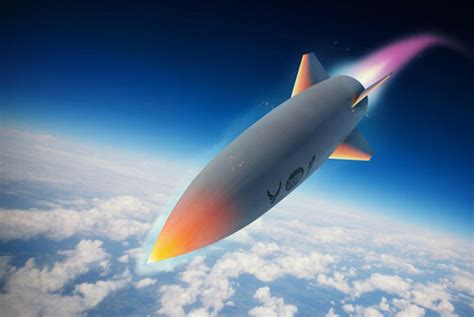
The Hypersonic Air-breathing Weapon Concept (HAWC), developed in conjunction with DARPA and the U.S. Air Force, saw successful testing in 2022, achieving sustained hypersonic flight using a scramjet engine developed by Northrop Grumman. This not only validated their propulsion capabilities but also marked a historic milestone in next-gen air-launched hypersonic platforms.
Defensive Hypersonic Systems: The Glide Phase Interceptor (GPI)
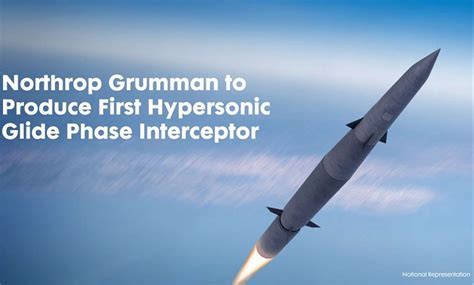
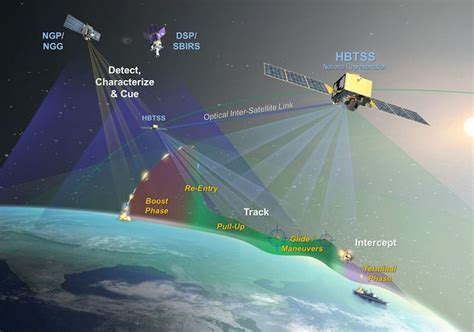
Defense against hypersonic threats is a more complex challenge than offense. Northrop Grumman is tackling this head-on with its work on the Glide Phase Interceptor (GPI), selected by the U.S. Missile Defense Agency. Unlike conventional interceptors, GPI is designed to neutralize threats in the glide phase, where maneuverability and speed make detection and interception particularly difficult.
The GPI integrates several advanced features:
- Re-ignitable upper-stage engine for trajectory correction
- Dual engagement modes to address threats at multiple altitudes
- Advanced onboard sensors capable of high-speed tracking
This next-generation interceptor is scheduled for live testing in 2025, a milestone that could redefine missile defense frameworks for decades.
International Collaboration: Strengthening Regional Security with Japan
Northrop Grumman is also working closely with Japan’s Ministry of Defense to co-develop regional interceptors, enhancing the nation’s response capabilities against the rising hypersonic threat from regional adversaries. This collaboration reflects a broader U.S. strategy to extend hypersonic defense architectures to key allies, creating interoperable and resilient multi-layered defense networks.
Propulsion Breakthroughs: Scramjets and Hybrid Engines
Scramjet Innovation
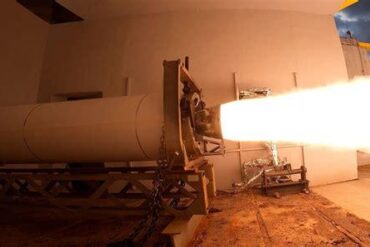
The core of hypersonic propulsion lies in the scramjet (supersonic combustion ramjet) engine. In 2019, Northrop Grumman achieved a significant technical milestone when a scramjet engine they developed generated 5.8 tons of thrust at speeds over Mach 4. This demonstrated not only power, but also the thermal management and material resilience required for sustainable hypersonic flight.
Hybrid Engines: The Future of Flexible Flight
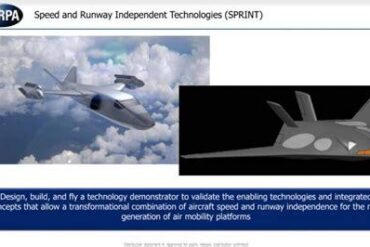
Looking forward, Northrop Grumman is exploring combined-cycle propulsion systems that merge turbine engines for subsonic takeoff and scramjet systems for high-speed transition. This architecture would enable vehicles to operate from standard runways while shifting seamlessly into hypersonic regimes, a holy grail for reusable hypersonic aircraft development.
Strategic Partnerships and Military Contracts
Northrop Grumman’s credibility in the hypersonic arena is reinforced by lucrative defense contracts and long-standing relationships with military branches:
- Raytheon Collaboration: The combined strength of Raytheon’s missile design expertise with Northrop’s propulsion technology is evident in both HAWC and HACM programs.
- U.S. Navy and Air Force Contracts: The company secured funding for initiatives like the HALO (Hypersonic Air-Launched Offensive Anti-Surface Warfare) system and GPI, despite the HALO program facing cancellation due to fiscal constraints in 2023.
These projects are integral to countering China’s DF-17 and similar platforms, providing the Pentagon with diverse and scalable deterrents.
The Role of Space-Based Systems in Hypersonic Defense
A comprehensive hypersonic defense cannot rely solely on terrestrial solutions. Northrop Grumman is a major contributor to the Hypersonic and Ballistic Tracking Space Sensor (HBTSS), a satellite constellation aimed at detecting, tracking, and discriminating high-speed threats in real-time from low-earth orbit.
By enabling global sensor fusion, HBTSS will allow commanders to gain predictive situational awareness and cue interceptors more effectively. This space-based architecture is essential for building a resilient kill chain against agile and fast-moving hypersonic vehicles.
Sustainability in Hypersonic Development
Northrop Grumman is not solely focused on performance. The firm is investing in eco-conscious hypersonic technologies, aiming to minimize environmental impact while maintaining mission readiness. This includes:
- Using sustainable propellants
- Optimizing aerodynamic designs to reduce emissions
- Incorporating recyclable components in non-critical systems
This approach aligns with broader DoD mandates for green defense technologies, paving the way for more responsible innovation.
Challenges Ahead: Fiscal Realities and Geopolitical Pressures
Despite its advancements, Northrop Grumman faces notable challenges. Hypersonic development is cost-intensive, and political instability can impact program continuity—as seen with the Navy’s HALO cancellation. Moreover, China’s rapid deployment of platforms like the DF-17 continues to apply pressure on U.S. timelines and technological pacing.
Additionally, scaling these systems from prototype to operational readiness requires logistical agility, global deployment capabilities, and allied integration, all of which remain in varying states of maturity.
Conclusion: Securing Hypersonic Dominance Through Innovation
With a growing suite of hypersonic missiles, interceptors, propulsion systems, and space-based sensors, Northrop Grumman is uniquely positioned to dominate this next frontier of warfare. Its strategic vision combines technical innovation, manufacturing agility, international partnerships, and environmental stewardship—all essential components in ensuring the U.S. retains its strategic edge in an era defined by speed, range, and survivability.