Northrop Grumman, a leading innovator in aerospace and defense, has been at the forefront of developing sophisticated unmanned aerial systems (UAS), commonly known as drones. These advanced platforms have transformed the way modern militaries, governments, and intelligence agencies approach surveillance, reconnaissance, and combat operations. With a focus on persistence, autonomy, and integration with manned systems, Northrop Grumman’s drones are shaping the future of defense technology. In this article, we explore the key platforms developed by the company, examining their roles, capabilities, and impact on modern warfare.
The Evolution of Northrop Grumman’s Drones
Northrop Grumman has long been a major player in the development of high-performance drones. Their unmanned systems are known for their advanced sensors, extended endurance, and stealth capabilities, which make them ideal for missions that require constant surveillance or operate in hostile environments. From intelligence-gathering to air combat, these drones serve a wide array of roles.
The company’s RQ-4 Global Hawk is one of the most well-known drones in its class. A high-altitude, long-endurance (HALE) drone, the Global Hawk has been pivotal in intelligence, surveillance, and reconnaissance (ISR) missions. Designed to operate at altitudes above 60,000 feet, it is capable of loitering for over 30 hours without the need for refueling. Equipped with a suite of sensors, including synthetic aperture radar and electro-optical/infrared systems, it provides real-time data to commanders, making it an indispensable asset for military and intelligence operations.
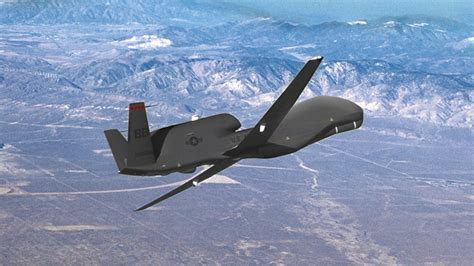
One of the most notable aspects of the Global Hawk is its flexibility. It has several variants, including the Block 30, which is used for signals intelligence, and the Block 40, which specializes in ground-moving target tracking. The Global Hawk is not just an asset for the U.S. Air Force; it also serves international allies such as NATO, Japan, and South Korea. This platform showcases Northrop Grumman’s ability to create drones that are not only technically advanced but also adaptable to various defense needs across the globe.
MQ-4C Triton: A Maritime Surveillance Powerhouse
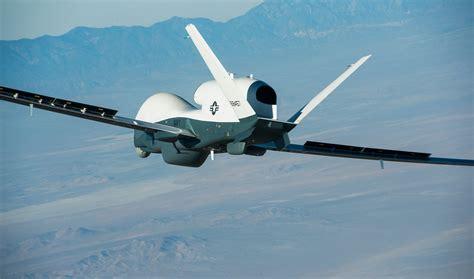
Building on the success of the Global Hawk, Northrop Grumman developed the MQ-4C Triton, a maritime surveillance variant of the RQ-4. Designed specifically for the U.S. Navy, the Triton is a high-altitude drone that specializes in maritime patrol, monitoring oceanic territories, and detecting both surface vessels and submarines. It is equipped to operate in adverse conditions, such as icing and rough seas, ensuring its performance even in the most challenging environments.
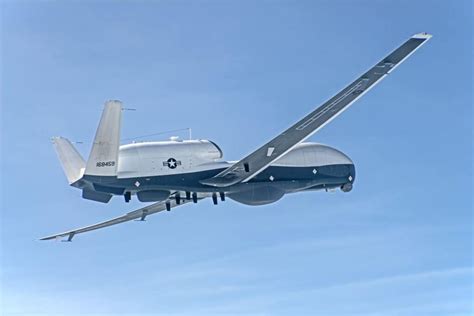
The MQ-4C Triton integrates seamlessly with other military assets like the P-8 Poseidon, a manned aircraft designed for anti-submarine warfare and maritime surveillance. Together, these platforms provide comprehensive, real-time data for broad-area ocean monitoring. This collaboration between drones and manned aircraft marks a new era of integrated military operations, where manned and unmanned systems work in tandem for optimal performance.
X-47B UCAS: Pioneering Stealth and Autonomous Combat
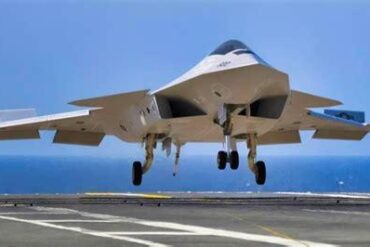
The X-47B UCAS (Unmanned Combat Air System) is another revolutionary drone in Northrop Grumman’s portfolio. As an experimental stealth unmanned combat aerial vehicle (UCAV), the X-47B is designed for air-to-air combat and deep-strike missions in contested airspace. One of the most remarkable achievements of the X-47B is its ability to launch and land autonomously on a U.S. Navy aircraft carrier, a feat that no other drone had achieved before. In 2013, the X-47B made history by becoming the first drone to autonomously take off and land on a carrier deck.
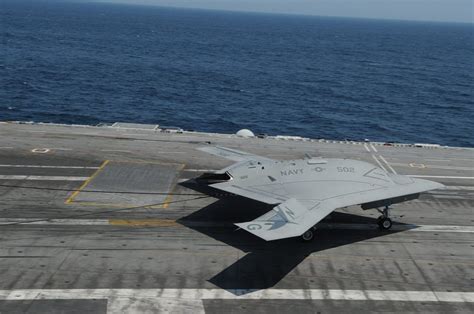
This platform demonstrated the capabilities of autonomous aerial refueling, a critical capability for drones intended to operate over extended periods in combat zones. While the X-47B itself did not enter full production, its success paved the way for the development of the MQ-25 Stingray, a tanker drone now under development by Boeing. The X-47B’s legacy continues to shape the future of unmanned combat systems.
MQ-8 Fire Scout: The Autonomous Helicopter
Northrop Grumman also plays a significant role in the development of helicopter UAVs with the MQ-8 Fire Scout. The MQ-8 is an autonomous rotorcraft designed for reconnaissance and light attack operations. It is primarily deployed on littoral combat ships (LCS) and frigates, providing real-time data and targeting information to naval operators.
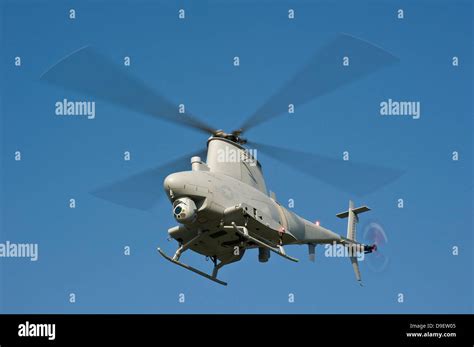
Equipped with rocket pods or Hellfire missiles (depending on the variant), the MQ-8 Fire Scout can engage in precision strikes against enemy assets. This versatility allows it to support a wide range of naval operations, from counter-piracy to anti-submarine warfare. The MQ-8 Fire Scout’s ability to operate autonomously also ensures that it can continue to perform its mission even in dangerous or high-risk environments, minimizing the need for direct human intervention.
RQ-180: The Mystery of Northrop Grumman’s Stealth ISR Drone
Among Northrop Grumman’s most classified platforms is the RQ-180, a highly advanced and allegedly stealthy ISR drone designed for penetrating heavily defended airspace. While few details are publicly available, reports suggest that the RQ-180 is designed to perform deep-surveillance and electronic warfare missions in hostile territory.
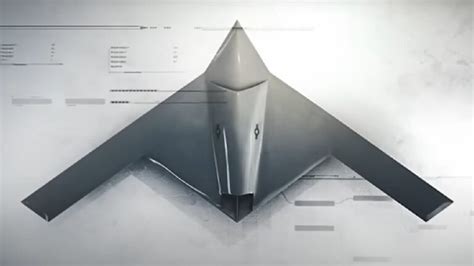
The RQ-180 is rumored to have been operational since the early 2010s, but Northrop Grumman has kept most information surrounding its capabilities under wraps. What is known is that it is designed to operate in contested airspace, likely providing critical intelligence to military decision-makers. The platform’s stealth capabilities are believed to allow it to evade detection by enemy radar systems, making it an invaluable tool for high-risk reconnaissance operations.
Loyal Wingman Programs: The Future of Autonomous Air Combat
Northrop Grumman has also made significant strides in autonomous combat with its Loyal Wingman Programs, developed in collaboration with the U.S. Air Force. These programs aim to create autonomous drones that can operate alongside manned fighter aircraft, such as the F-22 Raptor and the F-35 Lightning II.
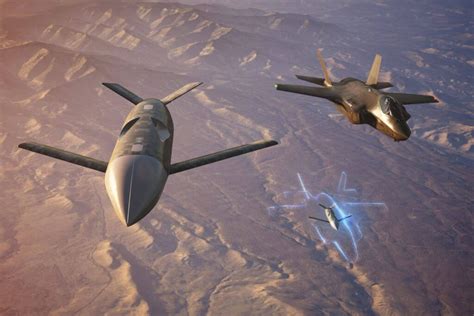
One of the most promising platforms in this category is Skyborg, a project focused on creating a loyal wingman drone capable of supporting manned aircraft during combat missions. The Skyborg drone is expected to carry out a variety of roles, from offensive strikes to intelligence gathering, while operating autonomously alongside manned fighter jets. This integration of manned and unmanned systems marks a significant leap forward in modern air combat strategy, offering increased operational flexibility and enhanced mission capabilities.
The Future of Northrop Grumman Drones
Northrop Grumman’s drones represent a critical piece of the modern defense landscape. Their emphasis on autonomy, advanced sensors, and persistent surveillance aligns perfectly with the growing need for high-tech solutions to address evolving military challenges. These drones are designed not only to operate independently but also to complement and enhance the capabilities of manned systems.
As military operations become increasingly complex and the threats more sophisticated, Northrop Grumman’s drones will play an even more crucial role in shaping future combat strategies. From providing real-time intelligence to executing precision strikes, these unmanned systems are on the cutting edge of technology, offering unmatched flexibility, endurance, and capabilities. Northrop Grumman’s relentless innovation ensures that their drones will continue to be at the forefront of military technology for years to come.