Development and Collaboration
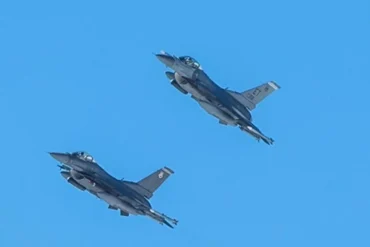
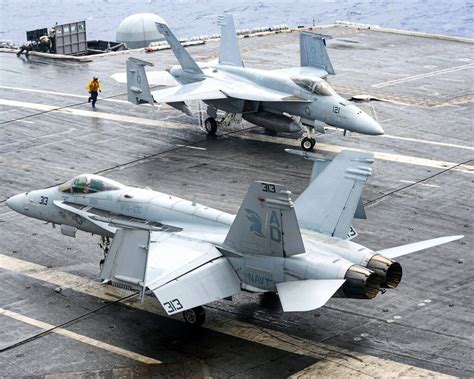
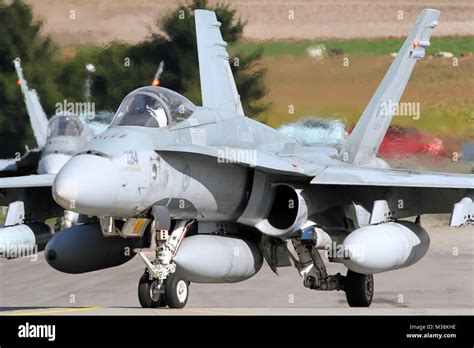
The F/A-18 Hornet is one of the most successful carrier-based multirole fighter aircraft in history. Developed as a result of a partnership between McDonnell Douglas (now part of Boeing) and Northrop Grumman, the aircraft evolved from Northrop’s YF-17 Cobra prototype. This joint development was initiated to meet the U.S. Navy’s demand for a capable, versatile fighter jet suitable for carrier operations.
Northrop Grumman played a pivotal role in the aircraft’s structural development, with specific contributions to the mid-fuselage, aft fuselage, and vertical stabilizers. The company’s involvement in structural integrity and aerodynamics ensured the aircraft’s effectiveness in both air superiority and ground attack roles.
Structural and Avionics Contributions
Northrop Grumman’s Engineering Role
Northrop Grumman’s responsibilities in the F/A-18 program were extensive, particularly in manufacturing key fuselage components. The company provided the:
- Mid and aft fuselage sections – ensuring structural integrity and aerodynamic efficiency
- Vertical stabilizers – enhancing stability and maneuverability during high-speed operations
McDonnell Douglas, in contrast, handled the forward fuselage, wings, and final assembly, resulting in a balanced workload distribution.
Advanced Avionics and Radar Systems
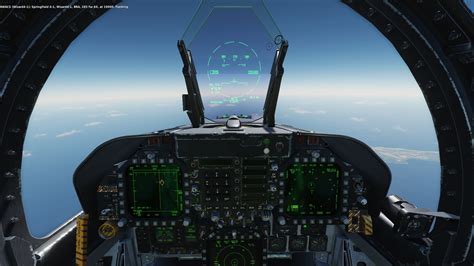
Northrop Grumman’s expertise extended beyond airframe design. The company played a significant role in the development and integration of crucial avionics, including:
- AN/APG-73 Radar – a multi-mode radar system offering improved air-to-air and air-to-ground targeting capabilities.
- Electronic Warfare Systems – enhancing survivability in hostile environments through superior jamming and countermeasure technologies.
- Sensor Integration for Block III Super Hornet – enabling cutting-edge detection and targeting capabilities through enhanced data fusion systems.
Modernization and Upgrades
LITENING Targeting Pod
One of the most significant modernization efforts led by Northrop Grumman for the F/A-18 was the LITENING Advanced Targeting Pod. This pod replaced the ATFLIR system and significantly enhanced:
- High-resolution infrared and electro-optical sensor capabilities
- Laser targeting for precision-guided munitions
- Day/night and adverse weather combat operations
This advancement greatly improved the aircraft’s ability to conduct precision strikes and close air support missions with increased effectiveness.
Network-Centric Enhancements in Block III Super Hornet
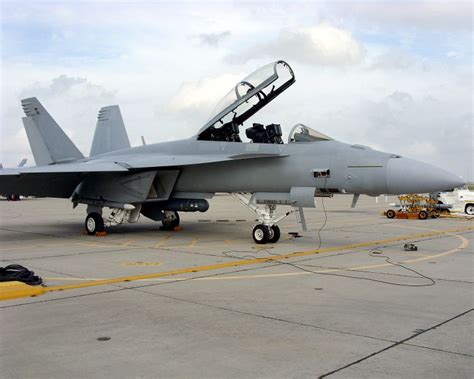
With the Block III upgrade, Northrop Grumman contributed to enhanced networked warfare capabilities through:
- Wide Area Multifunction Display (WAMFD) – providing pilots with greater situational awareness
- Advanced Communication Systems – facilitating data exchange with unmanned aerial vehicles (UAVs) such as the MQ-25 Stingray
- Reduced Radar Cross-Section Enhancements – incorporating stealth technology to improve survivability
These upgrades ensure that the F/A-18 remains competitive in modern and future combat scenarios.
International Influence and Export Variants
F-18L: The Land-Based Variant
Northrop Grumman also spearheaded the development of the F-18L, a land-based variant of the Hornet intended for export. The primary modifications included:
- Elimination of carrier-specific structural reinforcements to reduce weight
- Improved agility and performance for ground-based operations
- Optimized airframe for international customers
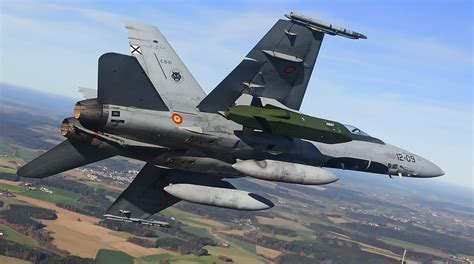
Although contractual disputes limited its adoption, the F-18L’s innovations influenced subsequent export variants such as the EF-18 in Spain and CF-18 in Canada.
Global Fleet Support
Northrop Grumman continues to provide logistical and modernization support to international operators of the F/A-18, ensuring fleet longevity. Countries benefiting from Northrop Grumman’s ongoing technical expertise include:
- Canada (CF-18) – mid-life upgrades and avionics improvements
- Australia (F/A-18F Super Hornet) – sensor and electronic warfare enhancements
- Finland and Switzerland – maintenance and potential replacement evaluations
Technological Legacy and Future Impact
Autonomous and Manned-Unmanned Teaming
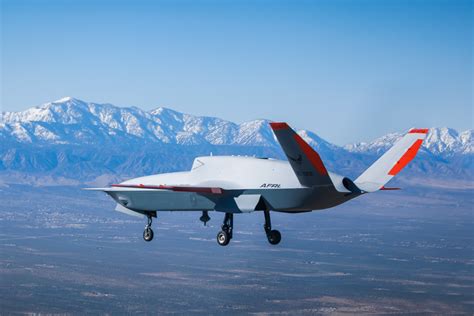
Lessons from the F/A-18 program have directly influenced Northrop Grumman’s next-generation projects, including:
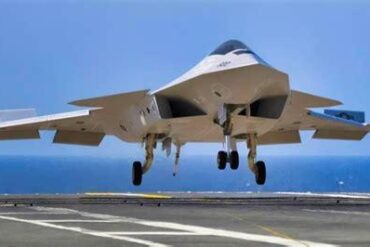
- Loyal Wingman Drones – such as the Model 437 for autonomous mission support
- Manned-Unmanned Integration – developing AI-assisted operational capabilities for future combat scenarios
- Next-Generation Air Dominance (NGAD) – leveraging experience from the B-21 Raider and sixth-generation fighter initiatives
These advancements position Northrop Grumman at the forefront of future aerial combat technology.
Conclusion
Northrop Grumman’s role in the F/A-18 program extends far beyond initial development. The company has continuously contributed to the airframe, avionics, modernization efforts, and global fleet support. Its legacy in fighter aircraft design and combat systems integration continues to shape the future of military aviation.
FAQ
How did Northrop Grumman contribute to the F/A-18’s development?
Northrop Grumman was responsible for the mid and aft fuselage, vertical stabilizers, and contributed to the aircraft’s avionics and electronic warfare systems. The company’s structural and sensor integration expertise played a key role in the fighter’s success.
What are the key differences between the F/A-18 Hornet and the Super Hornet?
The Super Hornet (F/A-18E/F) is a larger, more advanced version of the original Hornet. It features increased range, larger fuel capacity, enhanced avionics, improved stealth features, and compatibility with modern sensor and communication technologies.
How does Northrop Grumman’s experience with the F/A-18 influence future projects?
The company applies its knowledge from the F/A-18 program to modern defense technologies, including unmanned aerial vehicles (UAVs), AI-driven combat solutions, and next-generation fighter aircraft like NGAD and the B-21 Raider.