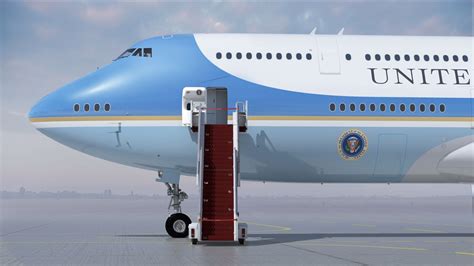
Boeing’s high-profile VC-25B Air Force One program has just undergone a dramatic leadership shakeup as Steve Sullivan, a former top executive at Northrop Grumman, assumes control of the struggling initiative. With the program billions of dollars over budget and under constant scrutiny from the Pentagon and the public, Sullivan’s appointment marks a pivotal moment in the future of presidential air transport.
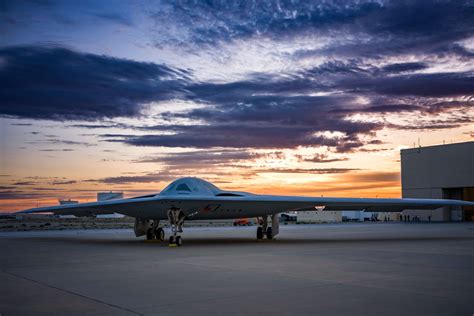
Sullivan, who previously led the B-21 Raider stealth bomber program, is no stranger to complex defense projects. His track record at Northrop Grumman includes bringing high-risk, cutting-edge aerospace technology to fruition — a skillset Boeing desperately needs as it fights to stabilize and eventually deliver the next-generation 747-8-based Air Force One jets.

A Legacy Aircraft, A Modern Challenge
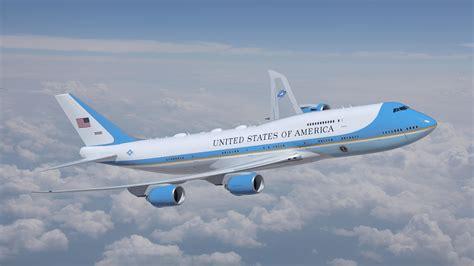
The aircraft at the heart of the VC-25B program are heavily modified Boeing 747-8s, originally built for the now-defunct Russian airline Transaero. These widebody jets are being converted at Boeing’s facilities in Texas to replace the aging VC-25A aircraft, which are based on the 747-200 platform and have served as the primary airborne transport for the President of the United States since 1990.
Despite their imposing presence and extensive capabilities, the VC-25As are now outmatched by modern aerospace technologies in fuel efficiency, avionics, communications, and survivability. Boeing’s task is to elevate the two VC-25Bs to meet and exceed current strategic standards — a mission fraught with setbacks, cost overruns, and political headwinds.
Boeing’s Leadership Gamble: Sullivan Steps In
The announcement, revealed in an internal email first obtained by Breaking Defense, comes as Boeing scrambles to reinvigorate a program that has hemorrhaged both capital and credibility. Jamie Burgess, Boeing’s vice president of bombers, mobility, and surveillance, noted in the memo:
“We are confident that Steve’s leadership and problem-solving skills will benefit the VC-25B program as he takes on this new challenge.”
Sullivan replaces Greg Coffey, who held the position for less than a year and will now become the deputy program manager for the T-7A Red Hawk training jet, another Boeing military aircraft development effort. The short tenure of Coffey hints at internal frustrations with the program’s trajectory — frustrations that Sullivan is now tasked with resolving.
Political Pressure: A Presidential Spotlight
The VC-25B program has long been a lightning rod in U.S. politics, most notably under President Donald Trump, who renegotiated its $3.9 billion contract in 2018. Trump demanded a redesign, criticized the original cost, and even involved Elon Musk in a private evaluation of the program’s status.
Trump’s interest didn’t end there. During the 2025 Paris Air Show, Boeing executives were questioned about a new twist: a 747-8 previously owned by the Qatari royal family had reportedly been gifted to the U.S. President. Trump, apparently dissatisfied with the VC-25B’s pace, proposed converting the Qatari aircraft into an interim Air Force One.
Boeing quickly rebuffed any suggestion that the gifted jet would affect the VC-25B timeline. The idea sparked intense criticism from both aerospace analysts and security officials, many of whom dismissed the plan as logistically unfeasible and politically inflammatory. Sources indicate that the converted aircraft, if ever made operational, could ultimately end up at Trump’s future presidential library.
Engineering Hurdles and Cost Spiral
Behind the headlines lies a technical saga of unprecedented scale. The VC-25Bs are not just airliners with blue and white paint. These aircraft are being equipped with advanced communications, electromagnetic pulse (EMP) shielding, aerial refueling capability, self-defense systems, and highly classified command and control functions.
Each system integration introduces additional complexities, and according to Boeing’s own disclosures, the project has bled billions in losses. Engineers must work within the strictest confidentiality and safety standards while coordinating across military, civilian, and corporate stakeholders. Sullivan’s prior experience with next-gen, classified aerospace projects makes him a uniquely qualified leader to bridge these gaps.
Northrop Grumman Experience: The B-21 and Beyond
Sullivan’s tenure at Northrop Grumman is notable for two major defense breakthroughs:
- B-21 Raider: The U.S. Air Force’s sixth-generation stealth bomber, which will eventually replace the B-2 Spirit and B-1 Lancer. It incorporates low-observable technologies, open-systems architecture, and global strike capability. Sullivan’s leadership helped maintain the program’s secrecy while satisfying stringent government milestones.
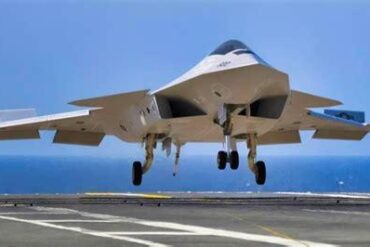
- X-47B: A carrier-based unmanned combat air vehicle (UCAV), the first of its kind to autonomously launch and recover on a U.S. Navy aircraft carrier. This program laid the foundation for future naval drone warfare.
By selecting a figure with these credentials, Boeing signals a shift toward a more defense-oriented, systems engineering approach, departing from commercial aviation mindsets that may not align with the unique demands of the VC-25B platform.
Boeing’s Broader Struggles and Strategic Consequences
While the VC-25B program has grabbed headlines, it is not an isolated case of project distress within Boeing’s massive portfolio. The 737 MAX crisis, which stemmed from deadly software malfunctions and led to international grounding, severely tarnished the company’s image. Its 777X widebody program is years behind schedule, facing regulatory hurdles and customer impatience.
On the commercial side, these delays have allowed Airbus to surge ahead, dominating orders for both single-aisle and long-haul aircraft. In contrast, Boeing’s defense segment has emerged as a crucial pillar — albeit one now under immense pressure to perform flawlessly amid budgetary and political constraints.
The success of the VC-25B will be symbolic of whether Boeing can still execute highly complex, secure, military-grade aerospace projects without succumbing to inefficiencies. For the Department of Defense and future administrations, the program is more than just about a plane — it is about confidence in Boeing as a defense partner.
What’s Next for the VC-25B?
Despite the turmoil, Boeing remains committed to delivering both VC-25Bs by the latter half of the decade. With Sullivan now at the helm, stakeholders hope that his steady hand can bring a renewed sense of urgency, discipline, and tactical insight.
If successful, the new Air Force One will feature:
- Hardened defensive systems including missile countermeasures
- In-flight refueling for global reach without landing
- State-of-the-art communication arrays to enable presidential command
- EMP protection to survive and operate in nuclear event scenarios
- Luxury and security upgrades befitting a mobile White House
The timeline remains fluid. Yet, the stakes are not. In a world increasingly defined by rapid geopolitical shifts and emerging threats, the operational readiness of the U.S. President’s primary aircraft is a national priority.
Conclusion: All Eyes on Sullivan’s Next Moves
Steve Sullivan’s leadership of the VC-25B program begins amid controversy, urgency, and vast expectations. If he manages to rein in costs, meet the delivery schedule, and satisfy Pentagon and White House demands, it would be a turnaround story of major proportions — not just for this one aircraft, but for Boeing’s credibility as a defense contractor.
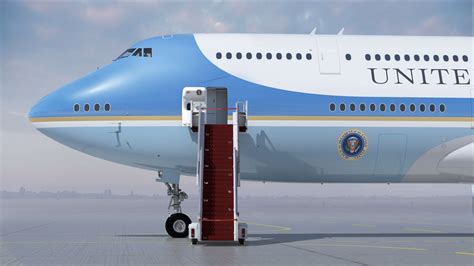
The symbolic power of Air Force One extends far beyond its engines and fuselage. It is a flying emblem of American command, prestige, and technological prowess. With the right leadership, Boeing may yet deliver a platform worthy of that role.