Flying long-haul has changed dramatically over the past decade. Travelers are no longer limited to choosing between a basic economy seat and an expensive business-class ticket. Premium economy has become one of the fastest-growing cabin products in commercial aviation, offering more comfort, additional space, upgraded meals, and enhanced service without the extreme cost of business class.
For many passengers, the biggest question is simple: how much does it cost to upgrade to premium economy? The answer is not straightforward because airlines rarely use a single fixed price. Instead, upgrade costs depend on multiple factors, including the airline, flight route, ticket class, travel season, seat availability, and the time when the upgrade request is made.
Some travelers may pay only a few hundred dollars for an upgrade, while others may face prices approaching the cost of a completely new premium economy ticket. Airlines use sophisticated revenue management systems that constantly adjust upgrade offers based on demand, making premium economy pricing one of the most unpredictable parts of modern air travel.
What Determines The Cost To Upgrade To Premium Economy?
The cost of upgrading from economy to premium economy is mainly controlled by airline pricing algorithms. Unlike traditional fixed-price services, airlines now rely heavily on dynamic pricing, which means the same upgrade can have different prices for different passengers on the same flight.
The most important factor is the flight route. Long-distance international flights usually have higher upgrade costs because premium economy delivers more value on overnight and ultra-long-haul journeys. A passenger flying from New York to London may see a lower upgrade price than someone traveling from Los Angeles to Tokyo, where the additional legroom and improved comfort become much more valuable.
The original economy fare also plays a major role. Passengers who purchased flexible economy tickets often receive more attractive upgrade opportunities than those holding deeply discounted basic economy fares. Airlines may restrict upgrades for certain fare classes because those tickets generate less revenue and have fewer associated benefits.
Another key factor is timing. An upgrade purchased several months before departure may cost significantly more because premium economy seats are still available for direct sale. However, airlines may reduce upgrade prices closer to departure if they expect unsold seats in the cabin.
This creates an interesting situation for passengers. Waiting can produce a bargain, but it can also result in no available upgrade at all. Premium economy upgrades are often a balance between securing comfort early and gambling on a better last-minute offer.
Why Airlines Created Premium Economy Cabins
Premium economy exists because airlines discovered that many passengers wanted something between traditional economy and business class. Economy seats remain essential for price-sensitive travelers, while business class is designed for customers willing to pay significantly higher fares. Premium economy fills the gap between these two groups.
For airlines, the cabin is a powerful revenue tool. A premium economy seat occupies more physical space than an economy seat but generates substantially higher revenue. It allows carriers to increase earnings from the same aircraft without completely redesigning their business-class strategy.
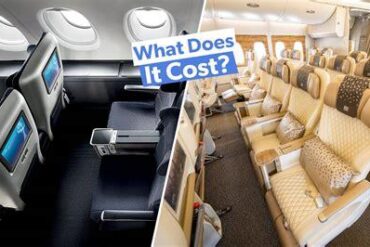
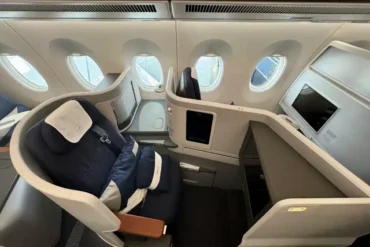
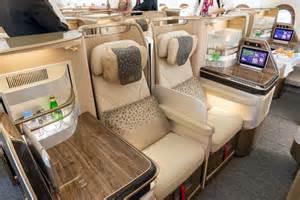
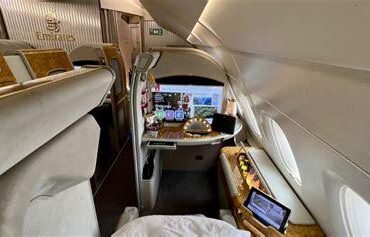
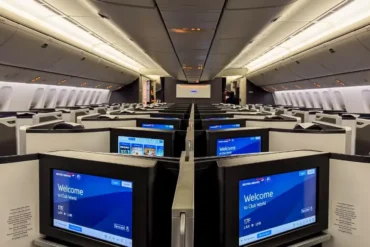
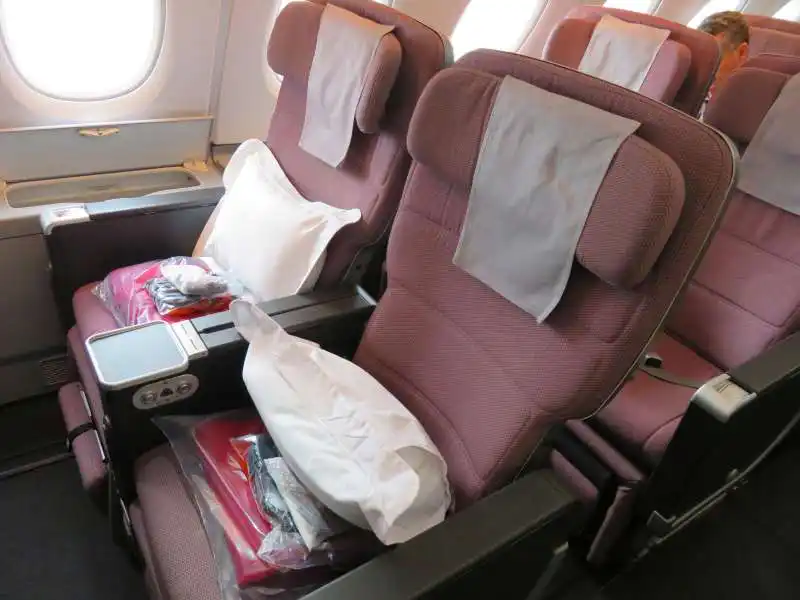
For passengers, premium economy offers several improvements that become especially valuable during long flights. These typically include wider seats, increased legroom, better recline, improved dining options, priority boarding, additional baggage allowance, and enhanced airport services.
The cabin is particularly popular among leisure travelers who want a more comfortable experience but cannot justify spending several thousand dollars on business class. It also appeals to corporate travelers whose companies may allow premium economy but not business-class travel.
In many ways, premium economy represents the changing expectations of modern travelers. Passengers increasingly want comfort, but they are also more conscious of travel budgets. The cabin provides a compromise between affordability and a higher-quality flying experience.
How Much More Does Premium Economy Cost When Booking Directly?
Buying a premium economy ticket from the beginning is usually the most predictable option, but it can also be the most expensive. The price difference between economy and premium economy varies significantly depending on the airline and route.
On many international routes, premium economy tickets can cost 50% to more than 100% higher than economy fares. For example, a standard economy ticket priced at $600 may have a premium economy equivalent costing $900 to $1,300. On high-demand routes, the difference can become even larger.
Industry analysis has shown that premium economy fares can sometimes reach around two and a half times the price of economy tickets. However, this is not a universal rule. Airlines adjust pricing based on demand, competition, and passenger behavior.
The biggest price differences often appear on popular business routes and during peak travel periods. Flights around holidays, summer vacations, and major international events usually have higher premium economy prices because airlines know passengers are more willing to pay for additional comfort.
However, booking premium economy directly also provides advantages. Travelers receive confirmation of their upgraded cabin immediately, earn benefits based on the premium economy fare class, and avoid the uncertainty associated with waiting for upgrade availability.
Cash Upgrades From Economy To Premium Economy
Many passengers do not purchase premium economy initially. Instead, they book economy and later receive upgrade offers from the airline.
Cash upgrades have become increasingly common because they allow airlines to fill premium economy seats without reducing the published value of the cabin. If airlines constantly discounted premium economy tickets, customers might stop paying full fares and simply wait for cheaper offers.
Instead, carriers use targeted upgrade opportunities after booking. These offers may appear in airline apps, emails, online check-in pages, or airport systems.
The price difference can vary dramatically. A passenger may receive an offer of $250 for a long-haul upgrade, while another traveler on the same route could see an offer above $700. Airlines consider factors such as loyalty status, booking history, remaining inventory, and expected demand.
For example, some passengers have reported that the difference between buying premium economy during booking and upgrading later can be several hundred dollars. A traveler might initially see a $900 premium economy fare difference but later receive a $300 upgrade offer.
However, these cheaper offers are never guaranteed. Airlines may remove upgrade options when premium economy seats sell quickly, especially on popular international routes.
Upgrading To Premium Economy With Airline Miles
Frequent flyer miles provide another way to access premium economy without paying the full cash price. Many major airlines allow passengers to use points or miles for cabin upgrades after purchasing an economy ticket.
The advantage of mileage upgrades is that they can deliver strong value when cash upgrade prices are high. A traveler with accumulated loyalty points may move into premium economy while paying only taxes and fees.
However, mileage upgrades are not always the best choice. Airlines often use dynamic award pricing, meaning the number of miles required can change depending on demand.
For example, some programs calculate upgrade prices based on route popularity and seat availability rather than a fixed award chart. This means the same flight may require significantly different mileage amounts depending on when the upgrade request is made.
United Airlines, Delta Air Lines, and American Airlines each have their own systems for handling premium economy upgrades. United’s MileagePlus program allows eligible passengers to request upgrades on selected routes, while Delta SkyMiles and American Airlines AAdvantage members can use miles for available upgrade opportunities.
The key is understanding the value of the miles being used. If an airline requests a large number of miles equivalent to several hundred dollars in value, paying cash may sometimes be the smarter option.
Premium Economy Upgrade Costs On Major US Airlines
In the United States, true premium economy products are mainly offered by the three largest global network carriers: American Airlines, Delta Air Lines, and United Airlines.
American Airlines markets its product as Premium Economy and offers it on selected international flights operated by aircraft such as the Boeing 777 and Boeing 787. The cabin includes wider seats, improved meals, enhanced amenities, and additional baggage benefits.
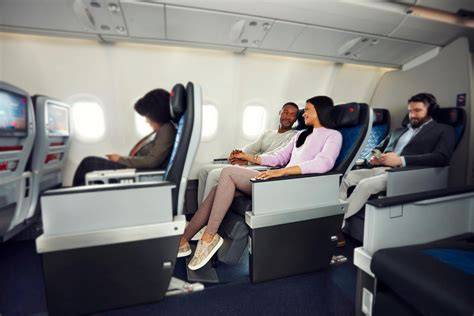
Delta Air Lines operates Delta Premium Select, which provides larger recliner seats, upgraded dining, and priority services. The airline positions it as a distinct cabin above economy rather than simply an extra-legroom seat.
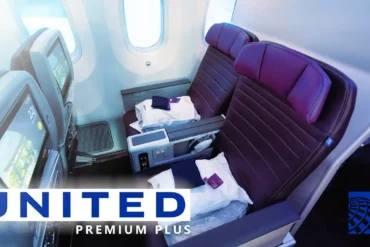
United Airlines offers Premium Plus, available across many international widebody routes. The product includes increased personal space, upgraded meals, and premium service features.
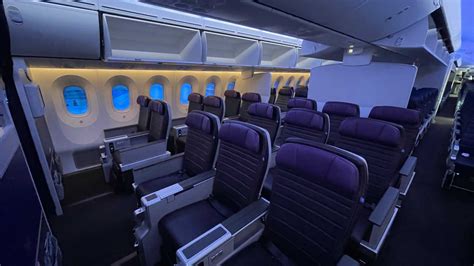
It is important to distinguish these products from extra-legroom economy seats. Some airlines advertise premium seating options that provide additional space but do not represent a true premium economy cabin. These seats may include benefits such as early boarding or extra legroom but lack the dedicated service and larger seating experience found on long-haul premium economy products.
Is Paying For A Premium Economy Upgrade Worth It?
Whether a premium economy upgrade is worth the cost depends heavily on the length of the flight and personal priorities. On a short journey, the additional expense may not provide enough value. However, on overnight international flights, the difference can completely change the travel experience.
The biggest advantage is comfort. A premium economy seat provides more room to stretch, improved recline, and a quieter cabin environment. For flights lasting ten hours or longer, these improvements can significantly reduce fatigue.
Food and service upgrades also contribute to the overall experience. Premium economy passengers often receive better meals, upgraded drink selections, and priority services at airports.
However, travelers should evaluate the price carefully. If an upgrade costs nearly as much as a business-class ticket discount, business class may provide much greater value. Premium economy works best when the additional cost remains reasonable compared with the benefits received.
The Best Time To Upgrade To Premium Economy
There is no perfect moment to upgrade because airline pricing systems constantly change. However, several strategies can improve the chances of finding a good deal.
Passengers who strongly value comfort should consider upgrading immediately after booking if the price is reasonable. This guarantees availability and removes uncertainty.
Travelers willing to accept some risk can monitor airline apps and websites after purchase. Upgrade offers frequently appear weeks or days before departure, especially when airlines still have unsold premium economy seats.
Frequent flyers should also check mileage upgrade options before paying cash. Loyalty programs sometimes provide excellent value, particularly when premium economy fares are expensive.
Ultimately, the best upgrade decision depends on the route, airline, and personal travel priorities.
Final Thoughts On Premium Economy Upgrade Prices
The cost to upgrade to premium economy does not have a single answer. Depending on the airline and situation, passengers may pay anywhere from a few hundred dollars to more than a thousand dollars for the additional comfort.
The most common upgrade range is often between $200 and $800 for long-haul flights, but prices can move far beyond that depending on demand and availability. Buying premium economy during initial booking usually costs more, while later cash offers can sometimes provide better value.
Premium economy has become an important part of modern air travel because it offers something many passengers want: a meaningful improvement over economy without the extreme price of business class.
For travelers who choose the right route, monitor upgrade opportunities, and understand airline pricing strategies, premium economy can deliver one of the best comfort-to-cost balances available in commercial aviation.