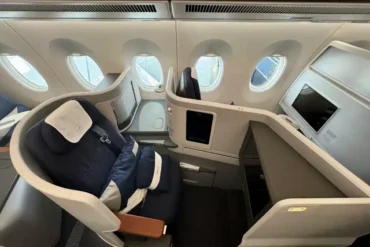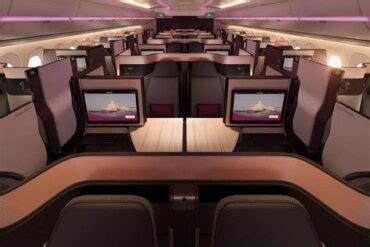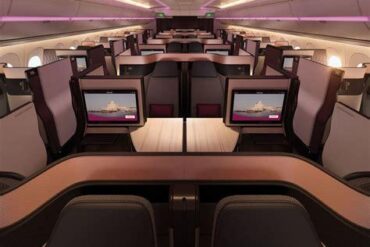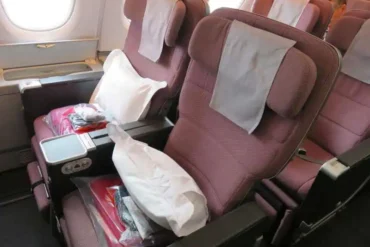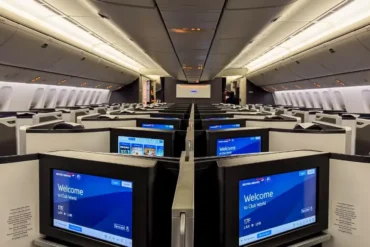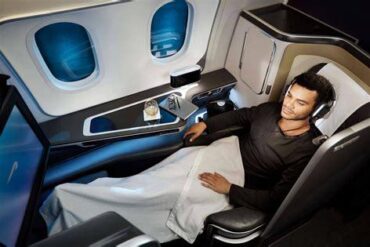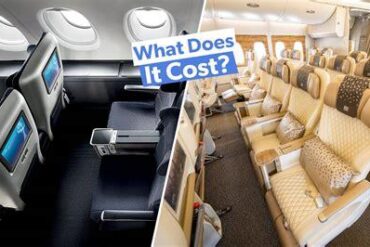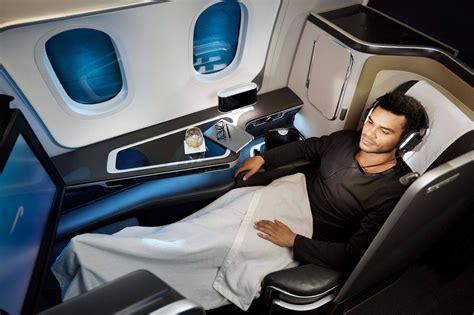
The cost of upgrading to first class sits at the intersection of strategy, timing, and a bit of airline magic—or chaos, depending on how you see airline pricing algorithms at work. Modern airfare economics operate with the subtlety of a stock market, meaning no single rule explains every price or upgrade opportunity. Yet clear patterns shape how much travelers ultimately pay, whether it is $150, $900, or even $5,000+ for a one-way upgrade. This guide explores every meaningful variable that determines upgrade costs in 2025, helping travelers understand the real economics of stepping into the pointy end of the plane.
Understanding First Class Upgrade Pricing in 2025
Airline pricing systems operate on dynamic algorithms designed to maximize revenue for every seat on every flight. Because airlines constantly monitor booking trends, demand shifts, and cabin availability, upgrade prices evolve—sometimes hourly. As a result, the upgrade cost from economy to first class can swing dramatically.
On busy routes such as New York–London, upgrades may climb into thousands, reflecting both market demand and the amenities included, such as lie-flat beds, gourmet dining, and premium lounges. Short domestic hops, however, might offer upgrades for less than the price of a nice dinner. What travelers pay hinges largely on the flight’s length, the aircraft type, the time of booking, and the airline’s broader revenue goals for that specific route.
This fluidity leads to the most important principle in understanding first class upgrade costs: value should be measured not just by the ticket price, but by the value per hour of flight, a benchmark commonly used by travel analysts.
The Value-Per-Hour Benchmark: The Smart Way to Judge Upgrade Costs
A widely accepted heuristic among aviation enthusiasts and analysts sets $50 per hour as a reasonable threshold for first class upgrade value. If a first class upgrade costs less than this benchmark, the experience tends to deliver excellent value.
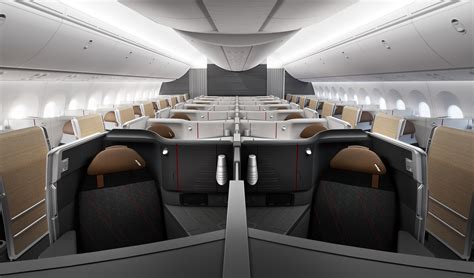
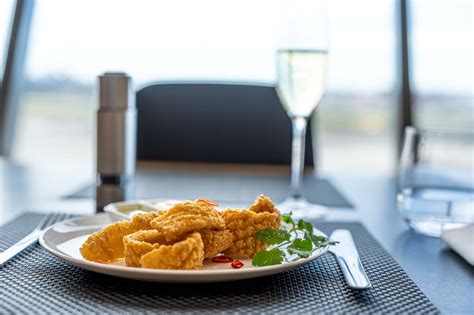
Consider an 8.5-hour flight from New York to Rome. Using the $50/hour rule, a fair upgrade price is roughly $425. On carriers such as American Airlines, upgrading to Flagship First unlocks amenities including chef-curated multi-course dining, elite lounge access, lie-flat seats, premium bedding by Casper, and private suite-like spaces.
Comparing this with a short-haul upgrade on a route like Chicago to Milwaukee shows how wildly different upgrade experiences can be. Passengers may get a larger seat and priority boarding, but no lie-flat bed or elevated gastronomy—reinforcing the importance of assessing the hourly value instead of the flat price.
Why Airline Algorithms Matter: Inside Dynamic Upgrade Pricing
Airlines rely on sophisticated machine-learning models to set fares in real time. These systems analyze millions of data points to maximize cabin occupancy, especially in first class, where empty seats represent a substantial revenue loss.
Interestingly, this can lead to counterintuitive outcomes. If economy is selling fast but first class lags behind, an airline may:
- Increase economy fares
- Decrease first class fares
- Offer targeted upgrade promotions
- Release discounted upgrade inventory shortly before departure
This is why passengers occasionally see surprising upgrade offers at online check-in or even at the departure gate.
Travelers can improve their chances of scoring affordable upgrades by booking 8–10 weeks in advance, tracking midweek fare dips, and using price-alert tools. Some airlines also run bid-for-upgrade systems that allow travelers to submit an offer, paying only if their bid is accepted.
Factoring in Hidden Costs: When First Class Becomes Cheaper Than Economy
One of the most overlooked aspects of upgrade economics is the hidden cost structure attached to economy fares. Basic economy tickets can tack on a long list of add-ons that quickly inflate the total cost of travel.
A realistic economy ticket often includes:
- Checked baggage fees
- Carry-on luggage fees (on ultra-low-cost or basic fares)
- Seat selection charges
- Airport meals
- Paid Wi-Fi
- Day-pass lounge fees
For travelers carrying multiple bags or seeking extra comfort, the total economy cost can exceed the price of a discounted first class upgrade. This makes first class unexpectedly economical when considering the all-in cost.
When Upgrading Makes Financial Sense
Travelers should assess:
- Flight duration
- Seat type (standard recliner vs. lie-flat suite)
- Onboard dining and service quality
- Lounge access value
- Baggage needs
- Preferred boarding and check-in benefits
- Sleep and rest value on long-haul flights
Short domestic hops rarely justify expensive upgrades unless the price is minimal. Long-haul journeys, however—especially overnight flights—offer far superior value because of the comfort and rest they provide.
Off-Peak Opportunities: Saving Big by Traveling Smart
First class becomes significantly more affordable during off-peak seasons and low-demand travel days. Airlines experience predictable dips in premium cabin bookings, especially when business travelers—the segment most likely to pay full fare—stay grounded.
Best periods for cheaper first class upgrades:
- January
- February
- September
- November
Best days of the week to find lower upgrade costs:
- Tuesdays
- Wednesdays
- Saturdays
Flights at less popular hours—such as early morning or late-night departures—also tend to have more upgrade opportunities. Airlines may release discounted upgrades as early as 9–12 months before departure or offer last-minute upgrades during check-in if premium cabins remain underbooked.
Most Affordable Airlines for First Class Upgrades
While first class is generally seen as a premium splurge, some airlines provide exceptional value compared to competitors. In 2025, Japan Airlines (JAL) and Etihad Airways frequently appear at the top of affordability rankings.
Japan Airlines (JAL)
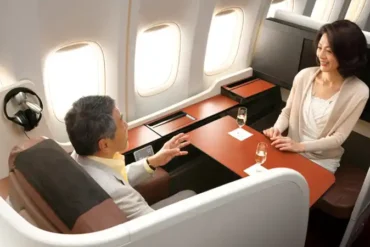
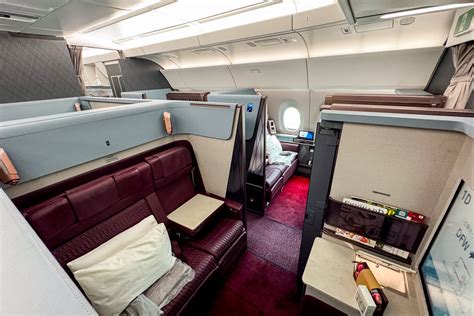
JAL offers a remarkably balanced first class experience featuring private suites, exceptional hospitality, and meticulously crafted dining—all at a lower price point than Gulf carriers. JAL is especially appealing for award redemptions through partner mileage programs such as Alaska Mileage Plan and American Airlines AAdvantage.
Etihad Airways
Etihad often prices competitively during off-peak windows. Although its most lavish product, The Residence, commands astronomical prices, its standard first class cabin occasionally presents surprising promotional fares.
Mileage bookings with programs such as AAdvantage can dramatically reduce the effective upgrade cost relative to paying cash.
The World’s Most Expensive First Class Experiences
Some airlines offer first class cabins so extravagant that they transcend traditional aviation comfort and enter the realm of private luxury travel. These experiences come with price tags that regularly exceed $20,000 for a one-way ticket.
Etihad Airways “The Residence”
A three-room suite aboard the A380, complete with a private bedroom, living room, and shower-equipped bathroom. Prices can surpass $60,000 each way.
Emirates First Class on the A380
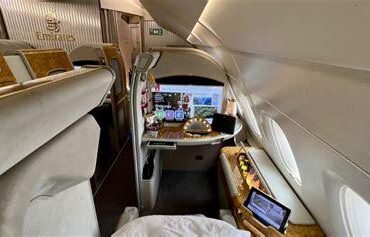
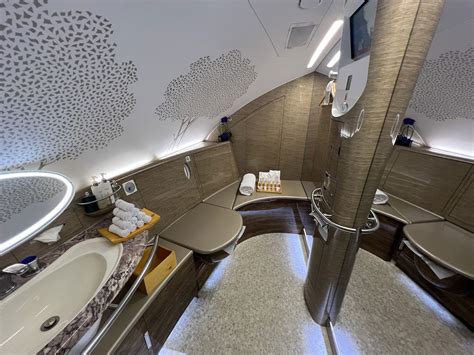
Featuring floor-to-ceiling doors, a personal mini-bar, and an onboard shower spa, Emirates’ first class ranges from $20,000 to $50,000+ on long-haul routes.
Singapore Airlines A380 Suites
With private rooms, standalone beds, and the option to convert two suites into a double bedroom, these seats often cost tens of thousands of dollars.
Cathay Pacific First Class
A consistently top-tier experience known for its enormous seats and world-class service, with prices regularly exceeding $20,000 each way on long routes.
How Much You Should Expect to Pay: Realistic Upgrade Price Ranges
Upgrade costs vary by route, but typical 2025 averages fall into these general ranges:
- Short domestic flights (1–2 hours): $75–$350
- Medium domestic flights (3–5 hours): $150–$600
- Transcontinental flights (5–7 hours): $300–$1,200
- Transatlantic flights (6–10 hours): $400–$2,500
- Long-haul international (10+ hours): $700–$5,000+
Mileage upgrades can significantly reduce these costs, particularly when using loyalty programs with favorable award charts.
The Best Ways to Score Affordable First Class Upgrades
The most effective strategies include:
- Booking early during fare sales
- Targeting off-peak travel seasons
- Using airline miles for upgrade awards
- Monitoring midweek price dips
- Watching for upgrade offers at online check-in
- Using bidding systems when available
- Traveling on routes where business demand is low
Flexibility is a traveler’s strongest tool. Combining smart timing with an understanding of airline behavior unlocks upgrade opportunities that casual travelers rarely notice.
Final Thoughts: The True Value of First Class in 2025
Upgrading to first class has never been more nuanced—or more enticing. Whether the upgrade costs $150 or several thousand, the decision hinges on understanding the total value offered, the timing of your purchase, and the overall economics of your travel needs. When evaluated with a clear strategy, many travelers discover that first class is not always an indulgence reserved for the elite. Under the right circumstances, it becomes a surprisingly attainable luxury—especially when the upgrade price aligns with the genuine value of added comfort, rest, and convenience.