Upgrading to British Airways Business Class (Club World / Club Suite) is often less about indulgence and more about strategy. For many long-haul travelers, especially on overnight routes, the upgrade transforms the journey from endurance test to something resembling sleep, sanity, and civilized living. The key question is not whether business class is better—it obviously is—but how much it actually costs to upgrade, and when that upgrade makes financial sense.
British Airways occupies an interesting middle ground in the premium travel ecosystem. It is not a bargain airline dabbling in premium cabins, nor is it a Middle Eastern or Asian luxury powerhouse. Instead, BA’s upgrade pricing reflects a hybrid model: premium experience, but with complex rules, notable surcharges, and occasional sweet spots that reward travelers who understand the system.
This guide cuts through the ambiguity and explains, in practical terms, what it costs to upgrade to business class on British Airways in 2026, how those prices are calculated, and how to decide whether the upgrade is genuinely worth it for your specific flight.
Understanding British Airways Business Class Upgrade Pricing
British Airways does not publish a fixed upgrade price chart. Instead, upgrade costs fluctuate based on route demand, aircraft type, fare class, seasonality, and how close you are to departure. That variability is why two passengers on the same flight can see wildly different offers.
In 2026, travelers upgrading from premium economy (World Traveller Plus) to business class (Club World or Club Suite) typically pay between $800 and $2,000 one-way when using cash. On longer transatlantic routes or high-demand flights, that figure can creep closer to $2,500, though prices above that level are less common when upgrading from premium economy.
Upgrading directly from economy (World Traveller) is far more expensive. Cash upgrades from economy to business class usually fall between $1,000 and $3,000 one-way, and in peak periods can exceed that range. The reason is simple: British Airways prices the upgrade relative to the original fare, and economy tickets often sit far below business-class pricing.
Frequent flyers often apply a cost-per-hour rule to assess value. A widely accepted benchmark is $75 to $100 per flight hour when upgrading from premium economy. On a seven-hour transatlantic flight, that places a “reasonable” upgrade value between $525 and $700. Many BA upgrades exceed this threshold, but some last-minute offers and Avios redemptions come surprisingly close.
Why Premium Economy Is the Upgrade Sweet Spot
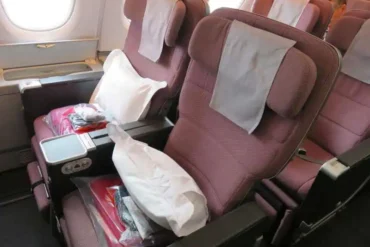
British Airways is frequently cited as one of the best airlines for upgrading from premium economy to business class, largely because the starting point is already a semi-premium product. World Traveller Plus offers wider seats, deeper recline, and better service than economy, making the jump to business class proportionally smaller in price but larger in comfort.
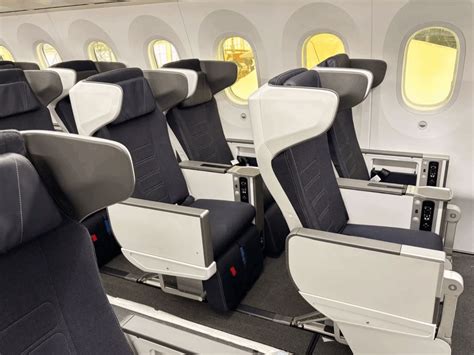
Cash upgrades from premium economy to business class generally cost 30% to 50% less than upgrading from economy. This pricing gap exists because premium economy fares are already closer to business class in BA’s internal pricing hierarchy. For travelers who plan ahead, booking premium economy with the intention of upgrading later is often the most cost-efficient strategy.
Another factor is availability. British Airways is more willing to release upgrade inventory from premium economy because it preserves the integrity of the economy cabin while still monetizing empty business class seats.
How British Airways Cash Upgrades Work
Cash upgrades can appear at several points in the journey. Some are offered immediately after booking through the “Manage My Booking” portal, others appear closer to departure, and a final batch may surface at online check-in or even at the airport.
Early cash upgrade offers tend to be higher, reflecting the airline’s confidence that business class seats may still sell at full price. As departure approaches and unsold seats remain, British Airways sometimes reduces upgrade pricing to stimulate demand. These last-minute upgrades can be surprisingly competitive, though they are never guaranteed.
It is important to note that basic economy fares—the lowest, most restrictive tickets—are generally not eligible for upgrades to business class. Even when upgrades are technically allowed, the price often negates any perceived savings from booking the cheapest fare initially.
Upgrading to Business Class Using Avios
For many seasoned travelers, using Avios points is the most efficient way to upgrade to British Airways business class. Avios function as the reward currency of the British Airways Executive Club, and when used strategically, they can unlock premium cabins at a fraction of the cash price.
In 2026, a one-way upgrade from premium economy to business class typically costs 24,000 to 30,000 Avios, depending on route length and fare type. This represents one of the highest redemption values in the Avios ecosystem, particularly on long-haul flights where business class cash fares are steep.
However, Avios upgrades are not free of cash costs. Travelers must pay the difference in taxes and carrier-imposed surcharges between the original ticket and the upgraded cabin. British Airways is known for relatively high surcharges compared to U.S. carriers, which can blunt the overall value of points-based upgrades.
A critical rule governs Avios upgrades: you may only upgrade one cabin class at a time. An economy ticket cannot be upgraded directly to business class using Avios; it must first be eligible for premium economy. This makes premium economy bookings particularly attractive for travelers planning an Avios upgrade.
Availability Rules and Common Pitfalls
Upgrade availability depends on reward seat inventory, not empty seats. A business class cabin may appear half-empty, yet still have zero upgrade availability. British Airways tightly controls how many seats are released for Avios upgrades, especially on high-demand routes.
Availability can be checked online using the “Book and Upgrade” tool or through the Executive Club. For complex itineraries or mixed-cabin bookings, contacting British Airways directly often prevents errors or mispriced upgrades.
Another nuance is earnings. When upgrading with Avios, travelers continue to earn Avios and tier points based on the original cash ticket, not the upgraded cabin. This means you enjoy business class comfort without sacrificing future loyalty rewards.
What You Actually Get When You Upgrade
The leap from premium economy to business class on British Airways is not subtle. It is a structural shift in how the flight feels, functions, and unfolds over time.
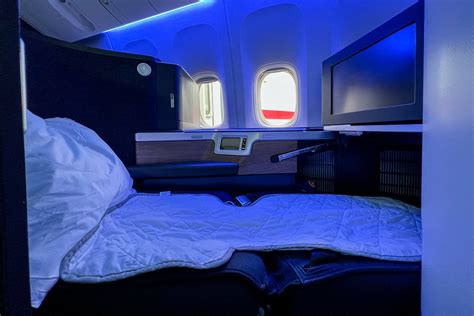
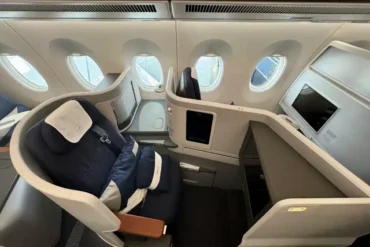
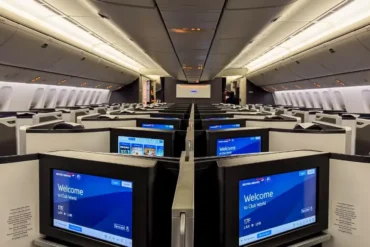
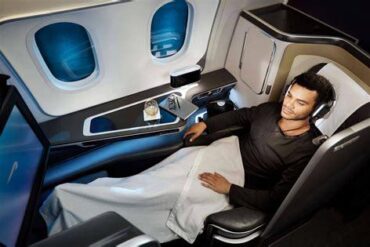
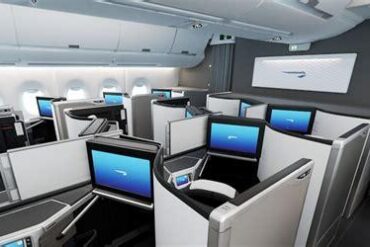
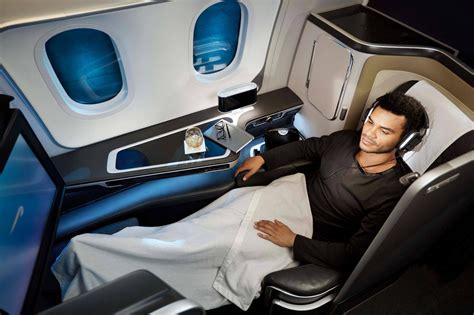
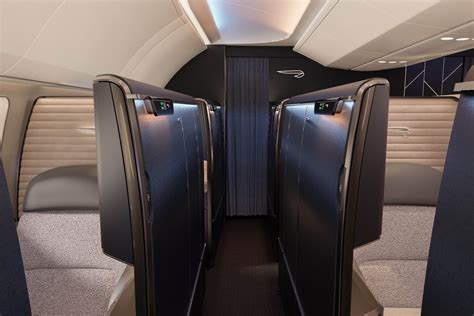
Business class passengers receive a fully flat bed, typically measuring around 79 inches in length, complete with The White Company bedding. Newer aircraft feature the Club Suite, a private pod with a sliding door, direct aisle access for every seat, and a reverse-herringbone layout that maximizes personal space.
Dining shifts from upgraded economy-style meals to a multi-course, restaurant-style service served on real china, accompanied by a significantly expanded wine and spirits list. The difference is not merely culinary but psychological; the cabin experience becomes quieter, slower, and more intentional.
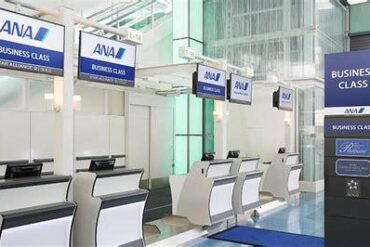
On the ground, business class tickets unlock lounge access, priority check-in, fast-track security at select airports, increased baggage allowances, and priority boarding. At London Heathrow, British Airways lounges function as an extension of the premium experience, offering hot meals, workspaces, and calm away from the terminal chaos.
Aircraft Type Matters More Than You Think
British Airways’ fleet inconsistency is one of the most important variables when evaluating an upgrade. Not all business class seats are created equal, and the difference between aircraft generations can be dramatic.
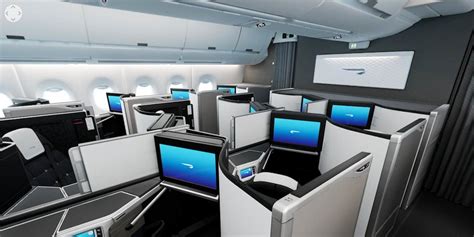
Newer aircraft such as the Airbus A350, Boeing 787-10, and retrofitted Boeing 777s feature the Club Suite with privacy doors and modern amenities. Older aircraft, particularly some Boeing 777-200ERs, still operate with the outdated “Yin-Yang” business class layout, which lacks privacy and direct aisle access for every passenger.
When upgrade pricing is identical, choosing a flight operated by a Club Suite-equipped aircraft delivers significantly higher value. Conversely, paying a premium for an upgrade on an older configuration may lead to disappointment.
How British Airways Compares to Other Airlines
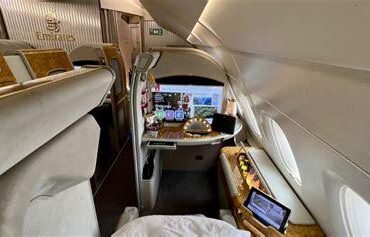
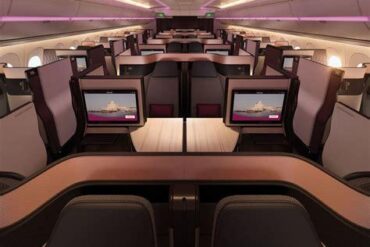
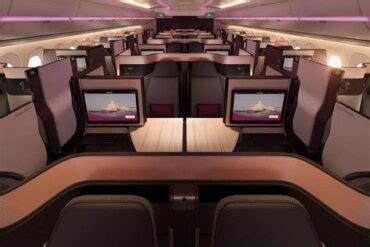
In the transatlantic market, British Airways sits below top-tier carriers like Qatar Airways, Singapore Airlines, and Emirates, but competes closely with U.S. legacy airlines such as American Airlines and United. The Club Suite product, in particular, has narrowed the gap considerably.
Virgin Atlantic often outperforms BA in passenger satisfaction surveys, especially in consistency and service tone. Delta Air Lines typically ranks higher overall, though BA’s onboard catering and alcohol service in economy and premium economy remain strengths.
Where British Airways excels is network reach. Its dense schedule between the U.S. and London provides flexibility that few competitors can match, making upgrades more likely simply due to volume.
When the Upgrade Is Actually Worth It
The value of a British Airways business class upgrade depends on three core variables: flight length, aircraft type, and timing. Overnight flights longer than six hours benefit most from a flat bed. Flights operated by Club Suite-equipped aircraft offer the best return. Last-minute or Avios-based upgrades generally provide the strongest value proposition.
For travelers paying cash, upgrades under $1,000 from premium economy are often defensible on transatlantic routes. Above that threshold, the decision becomes more personal, hinging on sleep needs, work demands, and tolerance for jet lag.
Ultimately, British Airways business class upgrades reward informed travelers. Those who understand fare classes, monitor availability, and remain flexible consistently extract more value than passengers who accept the first offer presented.
Final Verdict: Is Upgrading on British Airways Worth the Cost?
Upgrading to business class on British Airways in 2026 is rarely cheap, but it is often rational. Cash upgrades typically range from $800 to $3,000 one-way, while Avios upgrades deliver some of the strongest redemption values in the airline’s loyalty program. The smartest path usually runs through premium economy, where pricing, availability, and comfort intersect most favorably.
British Airways may not dominate the luxury leaderboard, but when the numbers align—and the aircraft cooperates—a well-timed upgrade turns a long-haul flight into a markedly better experience. For travelers who value sleep, space, and a calmer journey, that transformation is sometimes worth every dollar and every point.