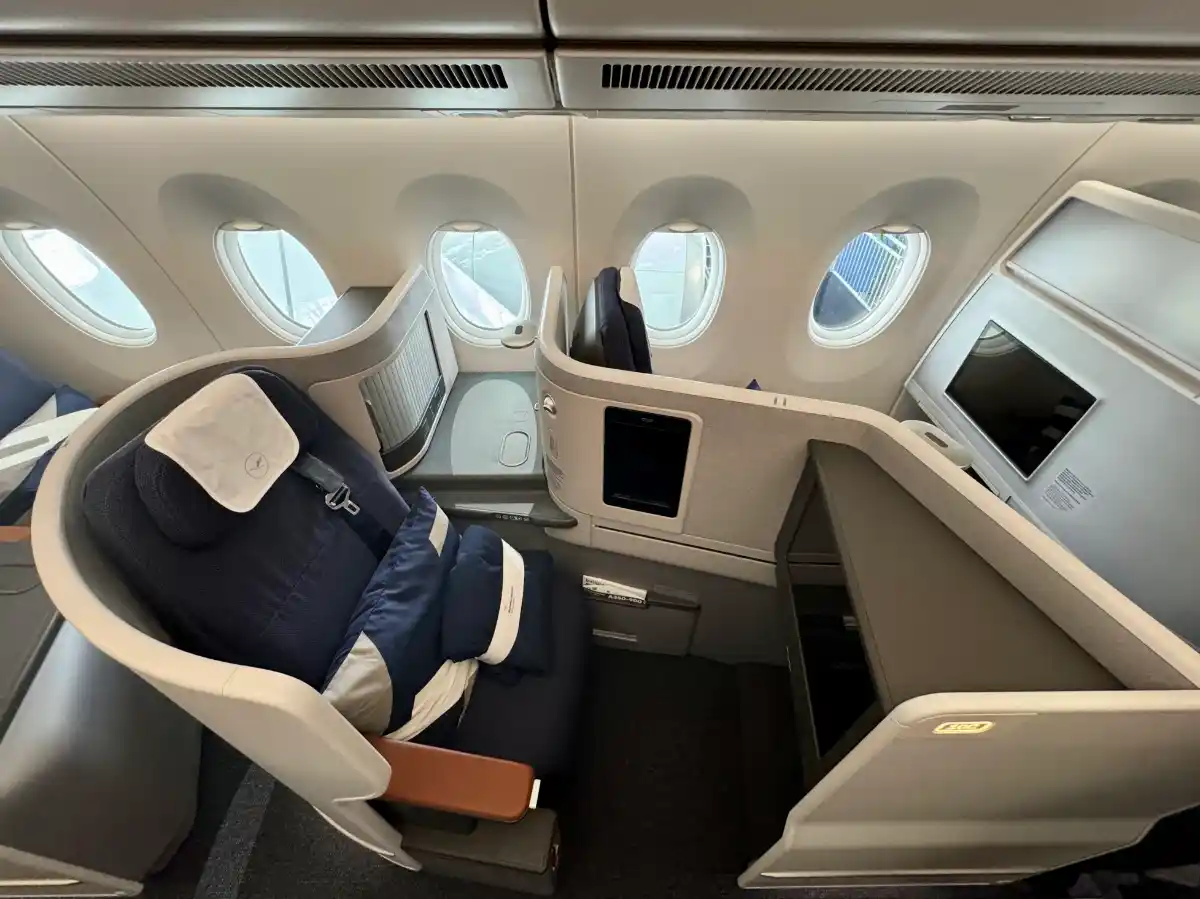
Upgrading to first class sits somewhere between a rational calculation and a small act of indulgence. The price tag can swing wildly—from a modest $150 upgrade on a short domestic hop to a staggering $5,000+ premium on long-haul international routes—and yet, for many travelers, the real question isn’t just how much, but whether it’s worth it.
The answer depends on a mix of timing, route, airline strategy, and your own tolerance for discomfort at 35,000 feet. First class is no longer a fixed product with a predictable price; instead, it’s a dynamic marketplace shaped by algorithms, demand patterns, and sometimes pure luck.
Understanding what drives those prices—and how to evaluate them—turns the upgrade decision from a gamble into a calculated move.
What Does It Really Cost to Upgrade to First Class?
There is no universal price chart for first class upgrades, which is precisely why travelers often feel blindsided. A short-haul upgrade might cost less than dinner at a mid-range restaurant, while a long-haul upgrade could rival the price of a used car.
On average, upgrade costs fall into these broad ranges:
- Short domestic flights (1–2 hours): $50 to $300
- Medium-haul flights (3–6 hours): $150 to $800
- Long-haul international flights (7+ hours): $400 to $5,000+
What creates this dramatic variation is not just distance, but how airlines perceive demand. A half-empty first class cabin on a Tuesday afternoon might trigger discounted upgrades, while a packed Friday evening flight could make even economy seats expensive.
The $50 Per Hour Rule: A Simple Way to Judge Value
One of the most practical ways to evaluate a first class upgrade is the “$50 per flight hour” benchmark. It’s not a strict rule, but it provides a quick sanity check.
Imagine an 8.5-hour transatlantic flight. Using this guideline, a reasonable upgrade value would land around $425. Anything significantly below that starts to look like a strong deal; anything far above it demands closer scrutiny.
This method works because it ties cost directly to time spent experiencing the upgrade. A lie-flat bed, premium meals, and uninterrupted rest matter far more on an overnight intercontinental flight than on a quick regional hop where the main benefit is simply a wider seat.
Still, context matters. Paying $200 extra for first class on a one-hour flight rarely delivers meaningful value, even if it feels like a small number.
What You Actually Get When You Upgrade
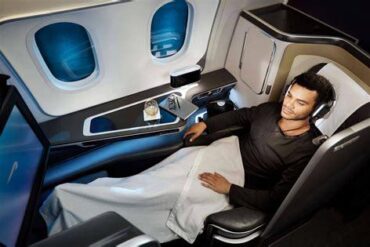
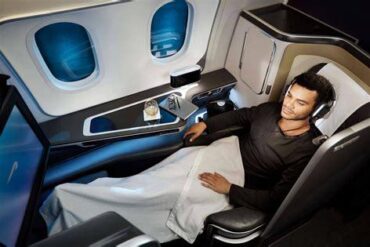
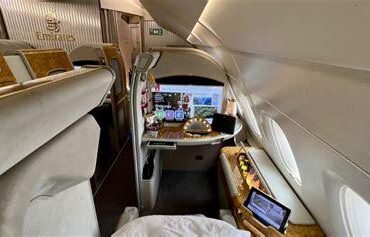
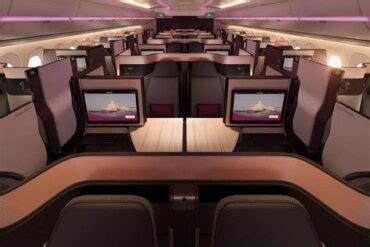
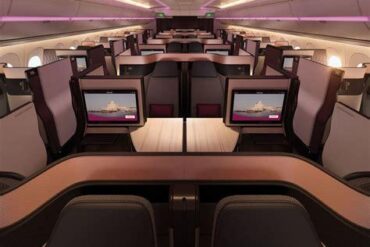
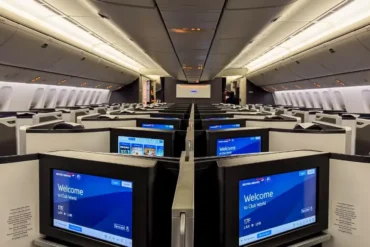
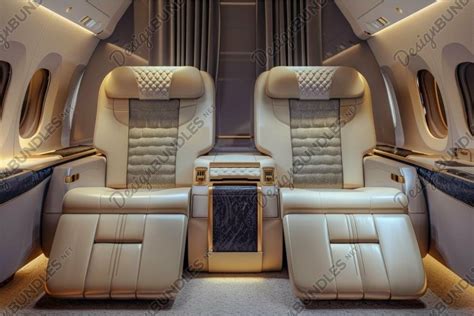
The phrase “first class” covers a surprisingly wide spectrum. On one end, it means a spacious recliner seat with priority boarding. On the other, it’s a fully enclosed suite with a sliding door, gourmet dining, and a bed that rivals a boutique hotel.
For long-haul premium cabins, the experience typically includes:
- Private or semi-private suites with lie-flat beds
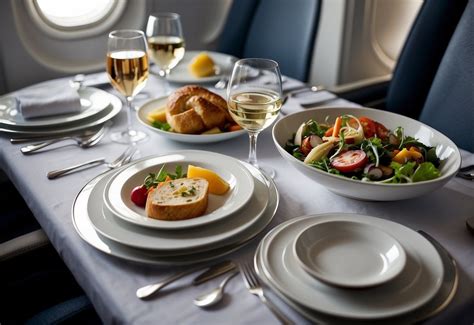
- Multi-course dining with curated menus
- Premium beverages including wine and spirits
- Luxury bedding, amenity kits, and pajamas
- Lounge access with high-end food and showers
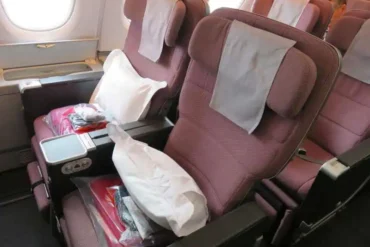
Short-haul first class, however, is far more modest. The upgrade often boils down to extra legroom, faster boarding, and complimentary snacks or drinks. That’s why the same “first class” label can feel like two entirely different products depending on the route.
How Airline Pricing Algorithms Shape Upgrade Costs
Airlines no longer price seats in static tiers. Instead, they rely on real-time revenue management systems designed to extract maximum value from every seat.
If economy demand spikes while first class lags, the system may:
- Increase economy fares
- Lower first class upgrade prices
- Offer targeted upgrade deals during check-in
This creates moments where upgrading becomes unexpectedly affordable. Ironically, the best deals often appear when economy is expensive—because airlines would rather discount premium seats than leave them empty.
Trying to outguess these systems is unrealistic, but recognizing patterns helps. Prices tend to shift based on booking windows, seasonal demand, and even day-of-week trends.
Hidden Costs: Why Economy Isn’t Always Cheaper
At first glance, economy class seems like the obvious budget choice. But once fees are added, the gap can shrink—or occasionally disappear.
A realistic comparison includes more than just the ticket price. Economy travelers frequently pay extra for:
- Checked baggage
- Carry-on allowances (on basic fares)
- Seat selection
- Meals and drinks
- Wi-Fi access
- Lounge entry (if desired)
When all these costs are added, the total can approach the price of a discounted first class upgrade. Meanwhile, first class bundles most of these perks into a single fare.
The real comparison, then, isn’t economy vs. first class, but total trip cost vs. total experience.
When Upgrading to First Class Is Actually Worth It
The value of upgrading depends heavily on context. Certain scenarios consistently deliver better returns.
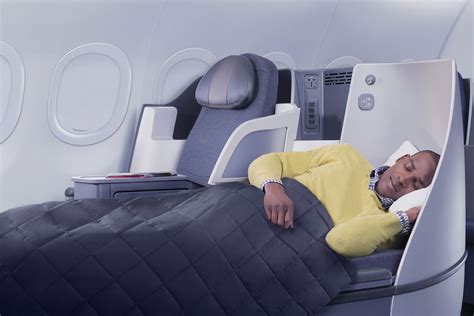
Long-haul overnight flights are the clearest example. The ability to sleep horizontally can transform the entire travel experience, reducing jet lag and preserving productivity the next day. In these cases, even a few hundred dollars can feel justified.
Flights tied to important events—business meetings, weddings, or once-in-a-lifetime vacations—also tilt the equation. Comfort becomes part of the outcome, not just a luxury.
On the other hand, short daytime flights rarely justify the premium. The upgrade might improve comfort slightly, but it won’t fundamentally change the journey.
Timing Matters: When to Find the Best Upgrade Deals
Upgrade pricing isn’t random, even if it sometimes feels that way. Certain timing strategies consistently improve your chances:
Booking early—often 8 to 10 weeks in advance—can secure lower base fares before demand rises. Some airlines even release attractive first class pricing nearly a year ahead to stimulate early bookings.
Midweek flights, especially Tuesdays and Wednesdays, tend to have lower demand from business travelers. This often leads to more available premium seats and better upgrade offers.
Last-minute opportunities can also emerge. During online check-in or at the gate, airlines may release discounted upgrades to fill empty seats. These offers can be surprisingly good, though they require flexibility and a willingness to decide quickly.
Off-Peak Travel: The Underrated Strategy
Traveling during quieter periods can dramatically reduce upgrade costs. Months like January, February, September, and November often see lower demand, which translates into more competitive pricing.
Similarly, flights at less desirable times—early mornings, late nights, or overnight routes—tend to have better upgrade availability. Airlines prioritize filling seats, and lower demand creates leverage for travelers willing to adjust their schedules.
This strategy works particularly well on international routes, where the difference between cabins can shrink significantly during off-peak periods.
Airlines That Offer Better First Class Value
Not all airlines price first class equally. Some consistently deliver a higher level of service relative to cost, making them standout choices for value-conscious travelers.
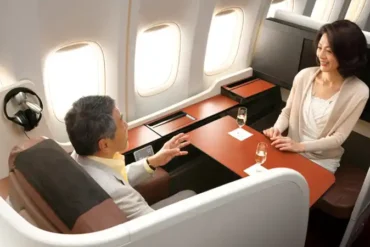
Japan Airlines (JAL) is widely regarded for offering a premium experience without the extreme pricing seen on some competitors. Spacious suites, exceptional service, and high-quality dining create a product that often feels underpriced relative to its quality—especially when booked with miles.
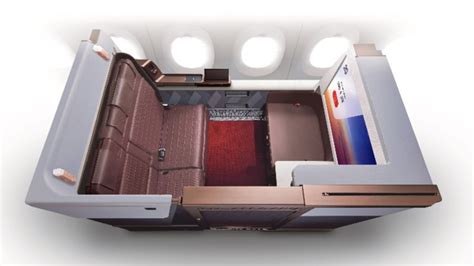
Etihad Airways occupies an interesting middle ground. While it offers some of the most extravagant first class products in the world, it also runs promotions that significantly reduce upgrade costs on select routes.
Both airlines highlight an important point: the best value isn’t always the cheapest ticket, but the highest-quality experience for the price paid.
The Ultra-Luxury Ceiling: How High Prices Can Go
At the extreme end of the spectrum, first class becomes something closer to private aviation than commercial travel.
Etihad’s Residence—a three-room suite with a living area, bedroom, and private shower—can exceed $60,000 for a one-way flight. Emirates and Singapore Airlines offer similarly extravagant experiences, often priced between $20,000 and $50,000 on long-haul routes.
These products redefine expectations, offering privacy, service, and space that rival luxury hotels. But they also highlight how wide the pricing spectrum truly is.
For most travelers, these options serve more as benchmarks than realistic choices. Still, they influence the broader market by setting the upper limit of what first class can be.
Miles, Points, and Bidding: Alternative Upgrade Paths
Cash isn’t the only way to secure a first class seat. Frequent flyer programs and upgrade bidding systems offer alternative routes that can significantly reduce costs.
Using miles often delivers the strongest value, particularly when redeeming through partner programs. A seat that costs thousands in cash might require a fraction of that value in points.
Upgrade bidding systems add another layer of strategy. Travelers can submit offers for unsold premium seats, sometimes winning upgrades at surprisingly low prices. The trade-off is uncertainty—you may not know the outcome until shortly before departure.
These methods don’t eliminate cost, but they reshape it, often turning first class from a luxury purchase into a strategic redemption.
Final Thoughts: Is First Class Worth the Upgrade?
The cost of upgrading to first class isn’t just a number—it’s a reflection of priorities. For some, it’s an unnecessary indulgence. For others, it’s a tool for arriving rested, focused, and ready.
The smartest approach is to evaluate each flight on its own terms. Consider the duration, timing, total cost, and personal importance of the trip. Then weigh that against what the upgrade actually delivers.
When the numbers align—when the price per hour is reasonable, the flight is long enough, and the experience meaningfully improves the journey—first class stops being an extravagance and starts becoming a calculated, worthwhile decision.