Aviation has long captured the imagination of those who dream of flying above cities, oceans, and continents. Yet behind the glamour of the cockpit lies a rigorous training journey that requires time, discipline, and a significant financial commitment. For aspiring aviators in the United States, understanding the true cost of pilot training is an essential first step toward entering the profession.
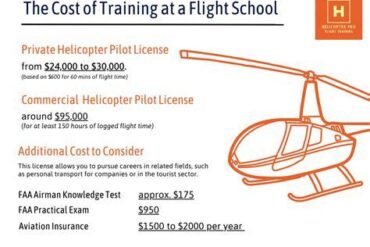
The total cost of becoming a pilot in the United States varies widely depending on training choices, the type of license pursued, geographic location, and the pace at which a student progresses through flight training. In most cases, pilot training ranges from approximately $9,000 for basic recreational flying licenses to more than $130,000 for full professional training, with some university programs pushing total costs beyond $200,000.
These figures often surprise newcomers to aviation. However, pilot training involves a combination of aircraft rental, instructor time, simulator training, aviation exams, safety certifications, and hundreds of hours of real flight experience. Each of these elements contributes to the overall financial investment required to enter the aviation industry.
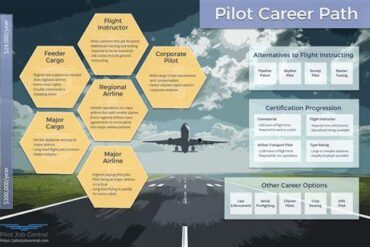
For those planning a career as a commercial or airline pilot, the journey typically progresses through three key licensing stages: the Private Pilot License (PPL), the Commercial Pilot License (CPL), and eventually the Airline Transport Pilot License (ATPL). Each step introduces additional training requirements, higher flight hour thresholds, and increased costs.
Understanding these stages and the financial realities behind them helps aspiring pilots plan effectively, explore funding opportunities, and make informed decisions about training pathways.
Understanding the Main Pathways to Becoming a Pilot
Before examining the cost of individual licenses, it is important to understand how pilot training is structured in the United States. Unlike some countries where airlines sponsor cadets from the beginning, the American training system is largely self-funded and modular.
Most pilots progress through training in stages:
- Private Pilot License (PPL) – the foundation of flight training
- Instrument Rating (IR) – advanced navigation in poor weather
- Commercial Pilot License (CPL) – qualification to be paid as a pilot
- Certified Flight Instructor (CFI) – common pathway to build flight hours
- Airline Transport Pilot License (ATPL) – required to fly for airlines
Each license builds on the previous one, gradually expanding both flying privileges and operational responsibility. Because of this structure, the total financial commitment accumulates progressively across several years.
Flight training programs in the United States generally fall into three major categories:
Independent Flight Schools
Local flight schools allow students to train at their own pace and often represent the most affordable option. Students pay for lessons individually and may spread training costs over time.
Accelerated Aviation Academies
Professional pilot academies offer structured programs designed to move students from beginner to commercial pilot quickly. These programs can be expensive but often promise faster completion timelines.
University Aviation Programs
Colleges offering aviation degrees combine academic coursework with flight training. While this approach provides a comprehensive education, tuition fees and campus expenses significantly increase the total cost.
These pathways ultimately lead to the same FAA licenses, but the financial impact differs dramatically depending on the training structure chosen.
Private Pilot License (PPL): The First Step Into Aviation
The Private Pilot License (PPL) represents the gateway into aviation. It allows individuals to fly small aircraft recreationally under Visual Flight Rules (VFR) but does not permit pilots to receive payment for flying.
Despite being the most accessible license, earning a PPL still requires a meaningful financial investment due to aircraft operating costs and professional instruction.
Students typically train in widely used aircraft such as:
- Cessna 172
- Piper PA-28 Cherokee
- Diamond DA40
These aircraft are favored because they are reliable, easy to fly, and relatively economical to operate compared with larger aircraft.
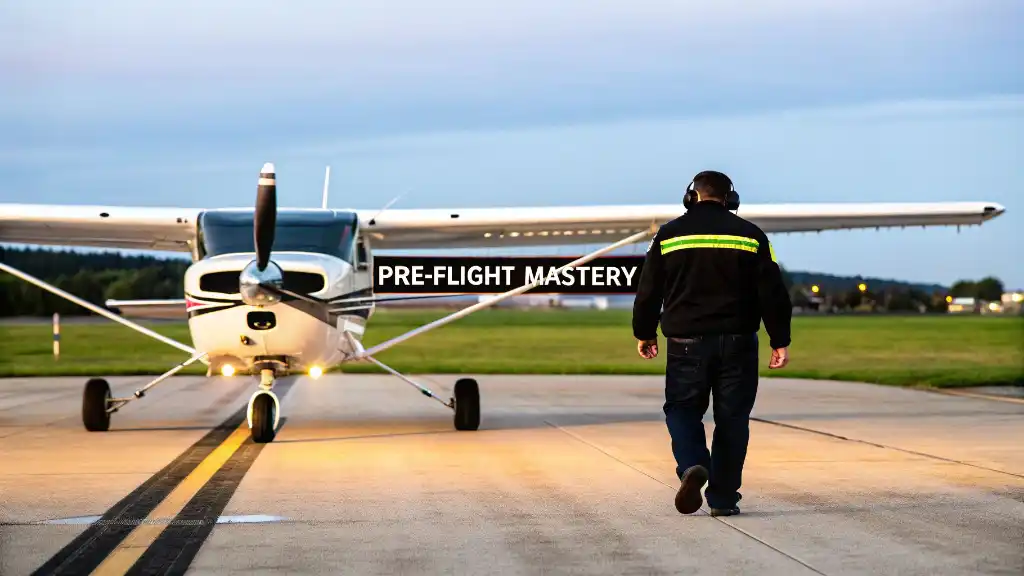
To obtain a Private Pilot License, the Federal Aviation Administration (FAA) requires a minimum of 40 flight hours, although many students need closer to 55–70 hours before passing the final flight test.
Several cost components contribute to the overall price of PPL training.
Typical Private Pilot License Expenses
Ground school provides theoretical knowledge covering aerodynamics, navigation, weather interpretation, and aviation regulations. This stage typically costs between $500 and $2,000, depending on whether students choose online courses, classroom instruction, or self-study programs.
The FAA Private Pilot Knowledge Test, commonly known as the written exam, costs roughly $175 to $200. This exam evaluates a student’s understanding of aviation theory and operational procedures.
A medical certificate is also required before solo flight, generally costing $100 to $125 through an FAA-authorized aviation medical examiner.
However, the largest portion of the cost comes from flight training hours. Aircraft rental typically ranges from $165 to $250 per hour, while instructor fees add $40 to $80 per hour. Over the course of training, these costs quickly accumulate.
The final stage is the FAA checkride, which includes an oral examination and a practical flight test conducted by a designated pilot examiner. This evaluation usually costs $500 to $800.
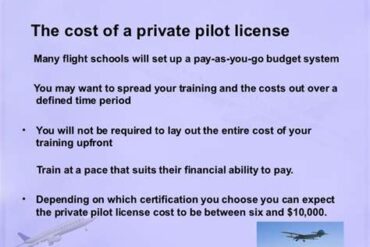
In total, the average cost of earning a Private Pilot License falls between $8,000 and $18,500.
How Location Affects PPL Costs
Geographic location plays a surprisingly important role in flight training expenses.
States such as Florida, Arizona, and Texas are considered highly favorable for flight training due to their consistent weather conditions and high concentration of flight schools. Frequent sunshine allows students to fly regularly, which helps reduce the number of training hours required.
By contrast, regions with unpredictable weather or higher fuel prices may increase costs due to training delays or higher aircraft rental rates.
Even small differences in hourly flight costs can significantly impact the final price when multiplied across dozens of training flights.
Commercial Pilot License (CPL): Turning Aviation Into a Career
After earning a Private Pilot License, aspiring professional pilots pursue the Commercial Pilot License (CPL). This license allows pilots to receive compensation for flying, opening doors to careers in charter aviation, cargo transport, aerial photography, and flight instruction.
The CPL represents a major financial leap compared with private pilot training because the FAA requires a minimum of 250 total flight hours before a candidate can qualify.
By the time students reach the commercial stage, they typically accumulate flight hours through:
- Advanced training flights
- Cross-country navigation flights
- Instrument training
- Solo practice flights
Flight hours are expensive because each hour includes aircraft rental, fuel, maintenance costs, and instructor supervision.
Typical Commercial Pilot License Expenses
Several elements contribute to CPL training costs.
Commercial ground school usually costs around $350, covering advanced aerodynamics, aviation regulations, and professional flight operations.
The FAA Commercial Pilot Written Test costs roughly $175, evaluating a pilot’s theoretical understanding of professional aviation.
Flight hours represent the largest financial burden. Building the required 250 total hours can cost between $25,000 and $50,000, depending on aircraft type and hourly rates.
Additional specialized training, such as complex aircraft operations and commercial maneuvers, may add another $2,000 to $4,000.
Finally, the commercial checkride costs around $650, completing the certification process.
Overall, direct CPL training costs generally range from $27,000 to $55,000. However, when combined with earlier training stages, total expenses often reach $70,000 to $130,000.
Training Pathways That Influence CPL Costs
The financial commitment varies greatly depending on how pilots choose to train.
Independent flight schools allow students to build hours gradually and sometimes share aircraft rental costs with other trainees. This approach can reduce overall expenses to approximately $50,000 to $70,000, though it may take longer to complete.
University aviation programs, on the other hand, combine flight training with a bachelor’s degree. While these programs provide structured education and modern aircraft fleets, tuition and living costs can push total expenses well above $200,000.
The choice between flexibility and structure often becomes one of the most important financial decisions for aspiring pilots.
Airline Transport Pilot License (ATPL): The Final Step to Airline Careers
The Airline Transport Pilot License (ATPL) represents the highest level of pilot certification in the United States. This license is required for captains and first officers flying for commercial airlines.
Unlike earlier licenses, the ATPL is not defined primarily by training courses but by extensive flight experience.
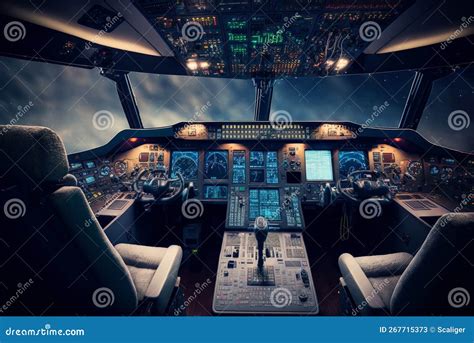
The FAA requires pilots to accumulate 1,500 total flight hours before qualifying for an ATPL certificate. Because most pilots reach the commercial stage with around 250 hours, they must build an additional 1,250 hours of flight experience.
If a pilot attempted to pay for those hours independently at an estimated $100 per hour, the cost would exceed $125,000—making it financially impractical.
Instead, pilots typically gain these hours through aviation jobs that allow them to fly regularly while earning income.
Common Jobs Used to Build Flight Hours
Several aviation roles help pilots accumulate flight experience while minimizing personal costs.
Certified Flight Instructor (CFI) positions are the most common pathway. Many newly licensed commercial pilots teach student pilots while logging flight hours.
Other opportunities include:
- Banner towing along beaches or events
- Aerial survey and mapping flights
- Skydiving operations
- Small cargo transport flights
CFI training itself usually costs around $5,000 to $6,000, but it allows pilots to earn money while accumulating valuable experience.
Because of this system, the ATPL stage is less about paying for additional training and more about strategically building experience within the aviation industry.
Financial Aid, Scholarships, and Funding Opportunities
The high cost of pilot training has led many aviation organizations to create scholarships and financial assistance programs designed to help aspiring pilots.
Although full sponsorships are rare in the United States, partial funding opportunities can significantly reduce the financial burden.
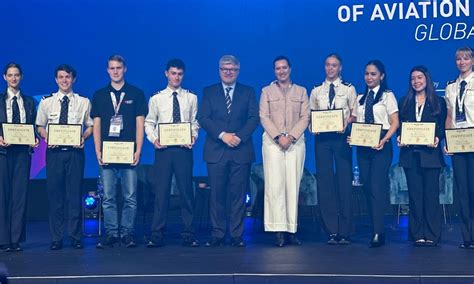
Organizations such as the Aircraft Owners and Pilots Association (AOPA) offer scholarships that can provide up to $10,000 toward training costs. These programs are widely accessible and support both beginner and advanced students.
Industry groups including NATA (National Air Transportation Association) and NBAA (National Business Aviation Association) also provide scholarships, particularly for students pursuing careers in business aviation.
The Air Line Pilots Association (ALPA) offers several scholarship programs, though many are reserved for family members of airline pilots.
Airlines themselves sometimes support training through cadet programs. For example, the American Airlines Cadet Academy provides mentorship, career guidance, and access to financing options. While these programs streamline the path to airline employment, they rarely eliminate the need for personal funding.
Scholarships Supporting Women in Aviation
Specialized programs also exist to encourage greater diversity within aviation, particularly for women pursuing pilot careers.
Organizations such as Women in Aviation International (WAI) and The Ninety-Nines have collectively awarded millions of dollars in scholarships supporting flight training.
Other initiatives include:
- Sisters of the Skies, offering awards from $2,500 to $15,000
- AAAE Women in Aviation Scholarship, typically around $5,000
- CAE Women in Flight, which occasionally provides fully funded training placements
Although these programs rarely cover the entire cost of training, combining several scholarships can significantly reduce the overall financial burden.
The True Cost of Becoming an Airline Pilot
When examining the entire journey—from first flight lesson to airline cockpit—the cost of pilot training in the United States varies widely depending on training choices and career strategy.
A simplified estimate of the full pathway often looks like this:
- Private Pilot License: $8,000 – $18,500
- Commercial Pilot Training: $27,000 – $55,000
- Additional Ratings and Instructor Certification: $5,000 – $10,000
- Total Estimated Cost: $40,000 – $130,000+
In university programs or accelerated academies, this total may exceed $200,000, largely due to tuition and structured training packages.
Yet despite the high upfront costs, aviation remains an attractive career path. Airline pilots in the United States often earn six-figure salaries, with captains at major airlines making well over $250,000 annually.
For many aspiring aviators, the financial investment ultimately becomes the gateway to one of the most rewarding and respected professions in transportation.
Frequently Asked Questions
How long does pilot training take in the United States?
Most students complete a Private Pilot License within 6 to 12 months, depending on training frequency. Reaching the commercial pilot stage may take 18 to 24 months, while accumulating 1,500 flight hours for an airline career can require several additional years.
Is pilot training cheaper in certain US states?
Yes. States such as Florida, Arizona, Oklahoma, and Texas often offer lower training costs due to favorable weather conditions, competitive flight schools, and lower operating expenses.
Can pilot training be fully funded in the United States?
Fully funded training programs are rare. Most pilots rely on a combination of personal savings, loans, and aviation scholarships to finance their education.
Do pilots recover the cost of training quickly?
Airline pilot salaries have increased significantly in recent years. Many pilots recover their training investment within several years of airline employment, particularly at major carriers where compensation is highest.