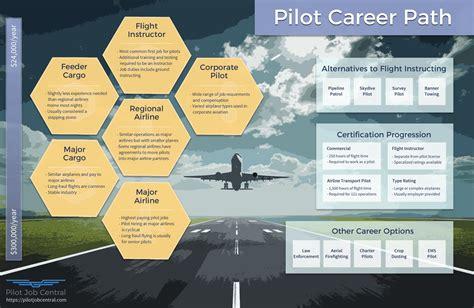
Becoming a professional pilot is a dream fueled by precision, ambition, and rigorous training. With the increasing global demand for commercial airline pilots and evolving aviation technologies, aspiring aviators today face a multitude of pathways to reach the cockpit. Choosing the best path to become a pilot requires not only understanding the financial, educational, and operational commitments but also aligning these with personal goals and long-term career aspirations.
In this guide, we outline the optimal routes toward a professional aviation career, with a focus on airline pilot preparation. Whether through civil aviation clubs, military training, or integrated airline programs, each path has its distinct advantages and challenges.
Clarifying Your Aviation Goal
The very first step in charting your path is defining your end goal. Are you aiming to become an airline transport pilot, a military aviator, or a commercial operator in specialized areas like aerial firefighting or crop dusting? The path varies dramatically depending on your target.
For this article, we focus specifically on the airline pilot career track, which encompasses everything from foundational flight experience to obtaining an Airline Transport Pilot License (ATPL).
Step 1: Medical Certification — The Non-Negotiable Starting Point
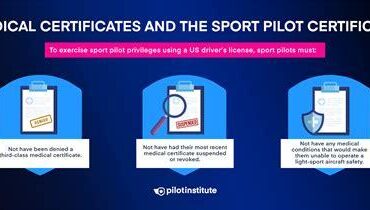
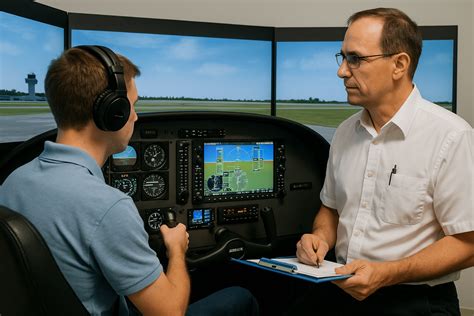
Before spending a single euro or dollar on flight hours, prospective pilots must secure a valid Class 1 Medical Certificate. This is a rigorous evaluation that assesses cardiovascular health, vision, neurological function, and psychological well-being. Many careers have optional prerequisites—aviation does not. Without a medical clearance, no commercial pilot certification can proceed.
Seek out an Aviation Medical Examiner (AME) early. If any disqualifying conditions exist, it is far better to discover them before significant investments are made in training.
Step 2: Choosing Between Modular and Integrated Training Paths
The core decision that shapes a pilot’s education is choosing between modular and integrated training:
Modular Pathway
This flexible route allows you to earn each license and rating separately, often while working a day job. Many students begin with the Private Pilot License (PPL), build hours, then add an Instrument Rating (IR), Commercial Pilot License (CPL), and finally, the ATPL theory modules.
-
Pros: Budget-friendly, customizable pace
-
Cons: Longer duration, less structured career pipeline
Integrated Pathway
An integrated program compresses all essential training into a full-time, high-intensity course, typically offered by airline academies or partner institutions. These programs often last 18–24 months and culminate in a frozen ATPL, ready for airline application.
-
Pros: Fast-track timeline, cohesive instruction, airline recruitment tie-ins
-
Cons: Expensive upfront investment, less scheduling flexibility
Step 3: Glider Clubs — Optional but Valuable Experience
Some aspiring pilots consider starting with gliding, especially in Europe where glider clubs are culturally and economically significant. While glider hours are logged separately and cannot count toward powered flight hour requirements, they build valuable airmanship skills, such as:
-
Energy management
-
Thermals and updraft exploitation
-
Precision control without engines
For younger pilots or those with limited funds, gliding offers low-cost access to the aviation community. However, it should not substitute powered flight training if your goal is commercial aviation.
Step 4: Joining an Aviation Club or School
For many, the journey starts at a local flying club, which offers a cost-effective platform to acquire the Private Pilot License (PPL). Clubs also provide a vibrant community that facilitates mentorship, flight hour building, and exposure to various aircraft types.
Alternatively, entering a formal flight school—especially one partnered with an airline—can ensure a more structured curriculum and streamlined progression toward commercial qualifications.
In France, the ENAC (École Nationale de l’Aviation Civile) is a prestigious public institution offering highly competitive, government-subsidized training for elite pilot candidates. Entry requires high academic performance and success in rigorous entrance exams.

Step 5: Airline-Affiliated Academies and Sponsored Training
Major airlines often operate their own academies or partner with aviation schools to train pilots under cadet programs. These programs sometimes offer deferred tuition, conditional job contracts, or even fully sponsored education. Notable examples include:
-
Lufthansa Aviation Training (LAT)
-
British Airways Future Pilot Programme
-
Air France Cadet Pilot Program
Although highly competitive, these programs drastically reduce personal financial burden and often result in smoother airline placement.
Step 6: Military Aviation – The Strategic Alternative
Joining the Air Force, particularly in reserve or guard units, is a powerful alternative. In countries like the United States, pilot candidates in the USAF Reserve can train on military aircraft like the C-17 Globemaster or KC-135 tankers, gaining thousands of valuable multi-engine hours—at no personal cost.
-
Pros: Free training, steady flight hours, leadership development
-
Cons: Military obligations, limited control over assignment
For individuals seeking a Bachelor’s degree and flight training simultaneously, military academies offer a strategic blend of academics, leadership, and aviation.
Step 7: Hour Building and Ratings
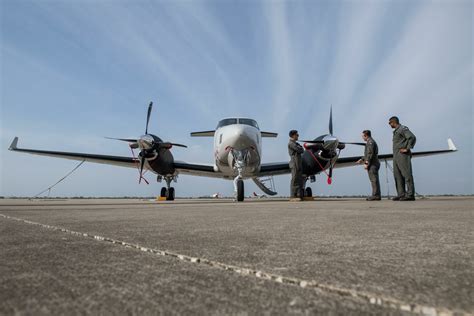
After earning the CPL, pilots must build flight time—typically up to 1,500 total hours in the U.S. or 200–250 hours in Europe—to qualify for airline positions. This phase involves working as:
-
Flight Instructor (CFI)
-
Banner Tow Pilot
-
Skydiving Drop Pilot
-
Survey or Pipeline Patrol Pilot
The key goal here is safe, consistent, and diversified flying.
Pilots must also earn additional endorsements such as:
-
Multi-Engine Rating
-
Instrument Rating (IR)
-
Jet Orientation Course (JOC)
-
Multi-Crew Cooperation (MCC)
Step 8: Finalizing the ATPL and Entering the Job Market
In Europe, pilots initially obtain a frozen ATPL, which becomes “unfrozen” after reaching the 1,500-hour requirement. In the U.S., the ATP Certificate can be pursued once this threshold is crossed.
At this stage, applicants must pass rigorous airline assessment centers, which evaluate:
-
Cognitive and technical skills
-
Communication and CRM aptitude
-
Simulator performance
-
Group dynamics
Success here marks the true beginning of a career in commercial aviation.
Evaluating Costs and Timeframes
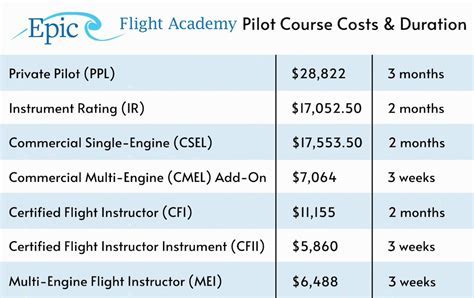
Training costs vary widely:
-
Modular route: €50,000–€80,000
-
Integrated route: €90,000–€140,000
-
Military path: Free (with service commitment)
-
Cadet programs: Free or partially funded
Time to completion also differs:
-
Integrated: 18–24 months
-
Modular: 2–6 years depending on pace
-
Military: 3–10 years including service
Key Considerations Before Choosing Your Path
-
Medical eligibility: Secure your Class 1 before investing
-
Financial resources: Know your budget and funding options
-
Geographic location: Some programs are country-specific
-
Language skills: ICAO Level 4 English is mandatory globally
-
Career expectations: Research hiring trends and regional demand
Conclusion
There is no universal answer to the question of the best path to become a pilot, but with clarity of purpose, strong planning, and dedication, aspiring aviators can navigate this complex journey with confidence. Whether you pursue an airline cadetship, club-based training, or take the military route, each decision must align with your financial capacity, timeline, and end goals. What matters most is consistent progress and a commitment to safety, excellence, and learning.
FAQ
What is the cheapest way to become a commercial pilot?
The most affordable method is the modular training path, beginning with a PPL through a local flight club, followed by pay-as-you-go ratings and hour-building. Scholarships and military sponsorships can drastically reduce costs.
Should I start flying gliders before powered aircraft?
Gliding teaches fundamental energy management and airmanship but does not count toward commercial flight hours. It’s optional and best suited for younger students or those looking to join the aviation community early.
How important is it to choose a flight school affiliated with an airline?
While not mandatory, airline-affiliated schools often provide clearer pipelines to employment and may offer conditional job placements upon successful completion of training. However, many successful pilots have come through independent schools as well.