Aerial firefighting occupies a unique and compelling corner of aviation, where precision flying meets life-saving urgency. For those drawn to purpose-driven careers rather than routine flight paths, it presents an undeniably powerful allure. Yet beneath the dramatic imagery of aircraft dropping retardant over blazing forests lies a profession shaped by intense demands, unconventional schedules, and a tightly knit industry culture. Understanding whether this path is a good career requires a clear-eyed look at its realities—both inspiring and challenging.
The Reality of Aerial Firefighting as a Career Path
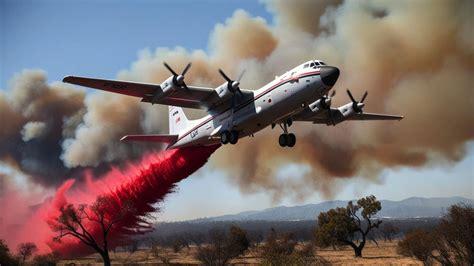
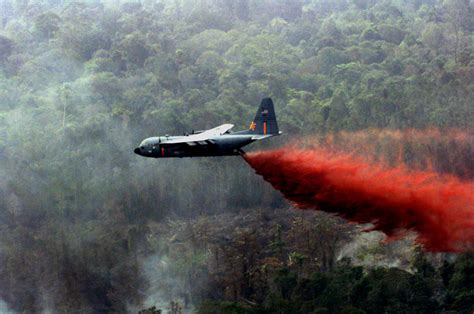
Aerial firefighting is not a typical aviation job; it is a mission-oriented profession rooted in environmental protection and emergency response. Pilots operate specialized aircraft—ranging from agile single-engine air tankers to massive multi-engine platforms—tasked with supporting ground crews during wildfire suppression. Unlike airline operations defined by predictable routes and schedules, firefighting aviation is governed by uncertainty, rapid deployment, and evolving operational risks.
What makes this career particularly distinctive is its seasonal intensity. During peak wildfire months, pilots may work continuously under high-pressure conditions, often stationed away from home. Conversely, the off-season can bring extended periods of downtime, training, or limited flying. This rhythm creates a career structure that differs sharply from the stability many associate with aviation.
Training and Experience: The True Barrier to Entry
Contrary to common misconceptions, entering aerial firefighting does not necessarily require a hyper-specialized background from the outset. However, it does demand substantial flight experience and technical competence. Most operators prioritize pilots with around 2,000 to 2,500 flight hours, particularly those with turbine and multi-engine time.
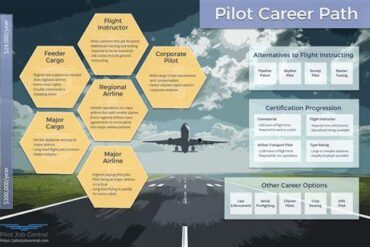
The pathway often begins conventionally—earning licenses, becoming a Certified Flight Instructor (CFI), and building hours steadily. From there, progression depends on exposure to more complex aircraft and operational environments. While some believe military or agricultural aviation backgrounds are essential, the reality is more nuanced. Pilots from diverse professional paths successfully transition into firefighting roles, provided they demonstrate capability and adaptability.
Equally important is the process of becoming “carded,” which involves certification to operate on active fire missions. This step includes rigorous evaluations and checkrides, ensuring that pilots meet the standards required for low-level, high-risk operations in dynamic conditions.
A Niche Industry Driven by Reputation and Networking
Aerial firefighting is often described as a small, interconnected community where reputation carries significant weight. Unlike large airline hiring pipelines, this field relies heavily on word-of-mouth, trust, and demonstrated reliability. Pilots, mechanics, and support crews frequently work together across seasons, forming tight professional networks.
Because of this, networking becomes a decisive factor. Early-career pilots benefit from building relationships within aviation circles, attending industry events, and seeking mentorship. Over time, a strong reputation can lead to consistent opportunities, as operators prioritize individuals known for sound judgment, teamwork, and professionalism under pressure.
This interconnected nature also means that once established, pilots often enjoy remarkable job security. Experienced captains with proven performance rarely struggle to find work, as their skills are both specialized and in constant demand during fire seasons.
Work-Life Balance: A Trade-Off Between Freedom and Intensity
One of the most debated aspects of aerial firefighting is its impact on personal life. The profession offers a distinctive work-life structure that can be both liberating and challenging. During active seasons, schedules often follow rotations such as two weeks on, two weeks off, though this can vary depending on contracts and fire activity.
While on duty, pilots may travel extensively, living out of temporary bases and remaining on standby for rapid deployment. Days can shift unpredictably from long periods of waiting to sudden, high-intensity flying missions. This unpredictability requires mental resilience and flexibility.
The off-season, however, provides a counterbalance. Many pilots enjoy extended time away from work, allowing for rest, personal projects, or supplemental flying roles. For individuals who value periods of concentrated work followed by meaningful downtime, this rhythm can be deeply appealing.
From a family perspective, the career is entirely possible—but it demands understanding and support. Relationships must accommodate seasonal absences and irregular communication, especially during peak operations.
Financial Expectations: Passion Over Pay
Aerial firefighting is not typically pursued for maximum financial gain. Compared to legacy airline careers, compensation is generally less competitive, particularly in the early and mid stages. However, this does not equate to poor earnings. Pilots are compensated well for their expertise, and pay often reflects the specialized nature of the work and associated risks.
More importantly, the profession offers intangible rewards that many find far more valuable. The sense of purpose—protecting communities, ecosystems, and lives—creates a level of fulfillment rarely matched in commercial aviation. For those motivated by meaning rather than monetary optimization, this trade-off feels not only acceptable but deeply worthwhile.
Risk and Responsibility in High-Stakes Environments
It would be incomplete to discuss aerial firefighting without acknowledging its inherent risks. Pilots operate at low altitudes, often in mountainous terrain, with reduced visibility due to smoke and rapidly changing weather conditions. These factors combine to create an environment where precision, situational awareness, and decision-making are critical.
Despite advances in technology and safety protocols, the profession carries a higher risk profile than many other aviation roles. This reality demands a mindset grounded in discipline and respect for operational limits. Pilots must consistently balance mission objectives with safety considerations, often making split-second decisions that have significant consequences.
Yet it is precisely this challenge that attracts many to the field. The work requires not only technical skill but also mental fortitude and a calm, focused approach under pressure—qualities that define exceptional aviators.
Seasonality and Career Stability
A defining characteristic of aerial firefighting is its seasonal nature. Fire activity fluctuates based on environmental conditions, meaning some years bring intense workloads while others may involve extended periods of inactivity. Interestingly, pilots are often compensated consistently regardless of operational tempo, providing a degree of financial predictability.
This seasonal model encourages many professionals to diversify their aviation experience. During quieter months, pilots may engage in training, instruction, or other flying roles, maintaining proficiency while supplementing income. This flexibility allows for a dynamic career that evolves over time.
Geographic Flexibility and Lifestyle Freedom
Unlike many aviation careers tied to specific bases, aerial firefighting offers a surprising degree of geographic flexibility. Pilots often commute to wherever their aircraft are deployed, meaning they can live virtually anywhere while still participating in operations across regions.
This mobility aligns well with individuals seeking a non-traditional lifestyle. It allows for a balance between professional commitment and personal preference, enabling pilots to choose living environments that suit their needs without sacrificing career opportunities.
At the same time, this lifestyle requires adaptability. Frequent travel, temporary accommodations, and shifting assignments are standard. Those who thrive in this environment tend to embrace change and autonomy rather than routine stability.
Is It an Attainable Goal for New Pilots?
For aspiring aviators at the beginning of their journey, aerial firefighting may seem distant—but it is far from unattainable. The key lies in strategic progression and patience. Building flight hours through instruction or other entry-level roles remains a foundational step. From there, gaining experience in more complex aircraft and operational contexts opens doors to specialized opportunities.
While the industry is niche, it is not closed. Operators continue to seek skilled pilots who demonstrate commitment and capability. The path may take longer than traditional airline progression, but it offers a distinct and rewarding destination for those who remain focused.
The Emotional and Professional Rewards
Perhaps the most compelling aspect of aerial firefighting is the profound sense of purpose it delivers. Pilots are not simply transporting passengers or cargo; they are directly contributing to protecting lives, property, and natural landscapes. Each mission carries tangible impact, reinforcing the value of their work.
This sense of contribution fosters a strong professional identity. Many who enter the field find it difficult to return to more routine aviation roles, as the meaning and intensity of firefighting operations create a uniquely fulfilling experience.
Final Perspective: A Career Defined by Passion and Resilience
Aerial firefighting stands as a career best suited for those who prioritize purpose, challenge, and adventure over predictability and maximum earnings. It demands resilience, adaptability, and a willingness to embrace both the risks and rewards of a highly specialized field.
For the right individual, it offers not just a job but a calling—one that blends aviation skill with environmental stewardship and public service. Those who pursue it with clear expectations and steady determination often discover a career that is not only viable but profoundly satisfying.