Flying private jets sits at a fascinating intersection of aviation skill, luxury travel, and elite clientele. The cockpit of a sleek Gulfstream or Bombardier Global aircraft represents more than technological sophistication—it represents one of the most coveted career paths in aviation. By 2026, the compensation for private jet pilots has reached levels that rival, and in some cases exceed, salaries found in commercial airline cockpits.
Yet the answer to the question “How much do private jet pilots make in 2026?” is not a single number. Salaries vary dramatically depending on experience, aircraft type, employer, and schedule structure. Some pilots earn modest six-figure incomes while building time in smaller charter operations. Others command $300,000 to $500,000 annually flying long-range business jets for wealthy individuals or major fractional operators.
Understanding how these salaries develop requires examining the training required, the companies that employ corporate pilots, and the unique lifestyle that defines private aviation.
The Path to Becoming a Private Jet Pilot
Every professional pilot begins the same journey: learning to fly safely and methodically before ever touching the controls of a multimillion-dollar jet. The first credential is the Private Pilot License (PPL), which allows an individual to fly recreationally but not for pay. For many aspiring pilots, this stage represents the moment when aviation transforms from fascination into career ambition.
Earning a PPL typically costs $15,000 to $30,000, depending on the flight school and the number of hours required to complete training. Students learn fundamental skills such as aircraft control, navigation, and aviation safety. The license opens the door to more advanced certifications that lead toward professional aviation.
The next milestone is the Commercial Pilot License (CPL). This certificate allows a pilot to receive compensation for flying, turning aviation into a profession rather than a hobby. Training costs usually range between $30,000 and $45,000, though expenses can vary depending on training pace and equipment.
However, holding a CPL alone is rarely enough to secure a private jet job. Employers almost always require several additional qualifications:
- Instrument Rating (IR) – permits pilots to fly in poor weather and low visibility using cockpit instruments.
- Multi-Engine Rating – necessary because nearly all business jets operate with two engines.
- Advanced flight experience – often well beyond the minimum required for licensing.
Together, these ratings allow pilots to operate complex aircraft safely across varied weather conditions and global airspace systems.
Even with these certifications, most pilots are still far from the cockpit of a corporate jet. The aviation industry values experience above nearly everything else. While a CPL technically requires only 250 flight hours, many private aviation employers prefer candidates with 1,500 hours or more, often equivalent to the experience required for an Airline Transport Pilot (ATP) certificate.
To accumulate those hours, pilots commonly work as flight instructors, charter pilots, or regional airline first officers. These early years build both technical skill and operational judgment—qualities essential when transporting executives, celebrities, or heads of state.
Types of Private Jet Operators
The private aviation sector includes several distinct categories of employers, each offering different salary structures and career experiences. Unlike commercial airlines, which operate highly standardized pay systems, corporate aviation presents significant variation in pay and working conditions.
Fractional Ownership Companies
Fractional operators allow customers to purchase shares of aircraft rather than owning an entire jet. These companies maintain large fleets and employ hundreds or even thousands of pilots. Among the most prominent names are NetJets, Flexjet, and Wheels Up.
Fractional companies often operate similarly to airlines. Pilots are assigned captain and first officer roles, work structured schedules, and receive predictable compensation increases with seniority. Because fleets include aircraft ranging from light jets to large long-range models, pilots can progress through different aircraft types during their careers.
Charter Operators
Charter companies provide on-demand flights for clients who pay per trip. Many operate under FAA Part 135 regulations, which govern aircraft carrying fewer than 30 passengers or limited cargo capacity.
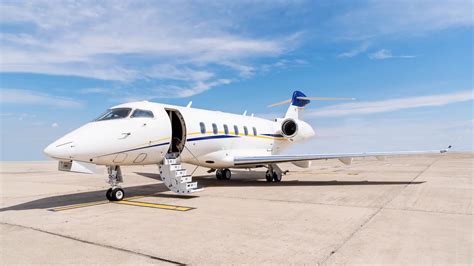
Pilots in charter operations may fly smaller jets like the Cessna Citation or Embraer Phenom, though some companies also operate larger aircraft such as the Bombardier Challenger 350. Salaries in charter companies vary widely depending on fleet size, experience level, and schedule.
Owner-Operated Corporate Aircraft
Some of the highest-profile private jet jobs involve flying directly for corporations or wealthy individuals. In these roles, pilots may operate aircraft such as Gulfstream G700s, Dassault Falcons, or Bombardier Global 7500s.
These positions are often considered the pinnacle of corporate aviation. They typically offer excellent pay, premium travel experiences, and relatively small flight departments, but they can also involve demanding schedules and unpredictable travel requirements.
Because details about these roles are rarely published, salary figures remain estimates based on industry reports and pilot disclosures.
Private Jet Pilot Salaries in 2026
By 2026, the private aviation industry offers compensation that rivals major airline pay scales. Data from pilot employment databases and industry reports reveals several salary tiers depending on experience and aircraft type.
Entry-Level First Officer Pay
Pilots beginning their corporate aviation careers typically start as first officers in light or midsize jets. Annual compensation at this level usually falls between $65,000 and $90,000, though daily pay structures can create different earnings patterns.
For example:
- NetJets First Officer (Year 1): approximately $65,000 per year
- Wheels Up First Officer: roughly $70,000 annually for turboprop or light jet roles
- Flexjet First Officer: about $513 per day, depending on schedule
- JSX First Officer: around $160 per day with minimum flight hour requirements
Although these starting salaries may seem modest compared to experienced airline captains, the key factor is progression. Pay increases significantly with seniority and aircraft upgrades.
Mid-Career Earnings in Corporate Aviation
Once pilots accumulate several years of experience and transition to captain positions, salaries climb into the high six-figure range.
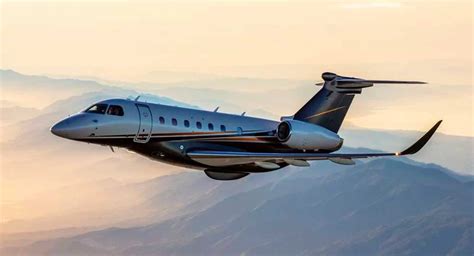
Captains flying midsize or super-midsize business jets commonly earn $150,000 to $250,000 annually. These aircraft include popular models such as the Citation Longitude, Embraer Praetor 600, and Challenger 350.
At this stage of a career, compensation reflects more than just flight time. Pilots are responsible for flight planning, operational decision-making, and passenger safety, often managing international operations that involve complex regulatory environments.
Many corporate aviation pilots also receive additional benefits such as:
- Daily travel per diem payments
- Comprehensive healthcare coverage
- Retirement contributions
- Employer-paid type ratings for new aircraft
These benefits significantly increase the overall value of a corporate pilot’s compensation package.
Top Private Jet Pilot Salaries
The upper end of corporate aviation salaries rivals the earnings of senior airline captains. Pilots operating heavy or ultra-long-range jets can earn remarkable incomes.
At large fractional operators, top captain pay in 2026 reaches levels such as:
- NetJets Captain: nearly $294,000 annually after long-term seniority
- Wheels Up Heavy Jet Captain: around $357,000 per year
- Flexjet Challenger 350 Captain: roughly $1,276 per day
These figures represent structured salary scales within established companies. In private flight departments serving ultra-wealthy clients, pay can climb even higher.
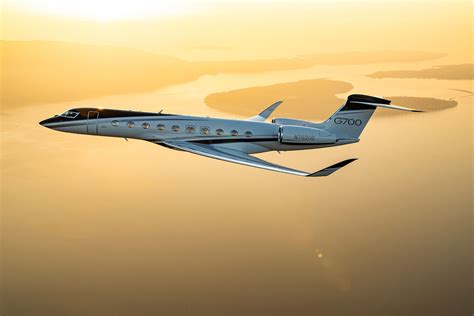
Industry estimates suggest that some pilots flying for billionaires or major corporations earn $300,000 to $500,000 per year, especially when operating large intercontinental aircraft like the Gulfstream G700 or Bombardier Global 7500.
Those roles often involve international travel across continents, carrying executives or family members on highly personalized itineraries. Discretion, professionalism, and reliability become just as important as flying ability.
Scheduling and Lifestyle in Private Aviation
One of the most distinctive features of private aviation careers is the variety of scheduling systems used across different operators.
Airline pilots usually bid monthly schedules composed of multi-day trips. Corporate pilots, however, may work rotating blocks of days on duty followed by extended periods off.
For example, some companies offer patterns such as seven days on followed by seven days off, creating predictable rotations that allow pilots to plan personal time well in advance. Others offer schedules averaging 13 to 19 workdays per month.
Another appealing feature is home basing. Instead of relocating to a specific hub airport, pilots can live near almost any commercial airport. When it’s time to begin a trip, the company simply books an airline ticket to position the pilot to the aircraft.
This arrangement provides an unusual degree of geographic flexibility. A pilot might live in a small town yet still operate a global jet fleet.

Despite these advantages, private aviation schedules can also be unpredictable. Charter flights often operate on demand, meaning pilots may receive assignments with little advance notice. A planned domestic flight could suddenly turn into an international trip if the client changes travel plans.
For pilots who enjoy variety and spontaneous travel, this dynamic environment is part of the appeal.
How Private Jet Pay Compares to Airline Pilots
A persistent debate in aviation circles revolves around whether private jet pilots earn more than airline pilots. The answer depends on timing and career stage.
Major airline captains at large carriers like Delta Air Lines, American Airlines, or United Airlines can earn well over $350,000 annually, particularly when flying wide-body aircraft on international routes. These positions also benefit from strong labor unions and extensive job security.
Corporate aviation offers competitive pay but typically lacks the same level of union representation. Job stability can depend heavily on the financial health of a company or the travel habits of a specific aircraft owner.
However, private aviation offers several advantages that airline pilots sometimes envy:
- Flexible home basing options
- Potentially higher earnings in elite flight departments
- A more personalized flying experience with smaller crews
The two career paths ultimately appeal to different personalities within the aviation world.
The Future of Private Jet Pilot Salaries
The 2010s and 2020s witnessed a dramatic shift in pilot compensation across the aviation industry. A growing global pilot shortage, combined with expanding travel demand, pushed airlines and private operators to increase pay and improve working conditions.
Corporate aviation experienced particularly strong growth during the early 2020s as wealthy travelers sought alternatives to crowded commercial flights. Fractional ownership and charter memberships expanded rapidly, requiring more pilots to operate growing fleets.
As a result, private jet pilot salaries in 2026 are significantly higher than they were just a decade earlier. Companies compete aggressively for experienced pilots, offering signing bonuses, enhanced schedules, and upgraded retirement packages.
Technology may also shape future careers. New long-range aircraft with advanced avionics reduce pilot workload while enabling nonstop flights between distant global cities. These innovations increase the demand for highly skilled crews capable of managing complex international operations.
Is Flying Private Jets Worth It?
For many aviators, corporate aviation represents a perfect blend of technical challenge, financial reward, and lifestyle flexibility. Pilots operate sophisticated aircraft while traveling to destinations rarely seen by commercial airline crews.
The job also carries a unique sense of responsibility. Passengers are often corporate leaders, celebrities, or entrepreneurs whose time is incredibly valuable. Every flight requires meticulous planning, flawless execution, and exceptional professionalism.
While airline careers may offer greater stability and standardized progression, private aviation rewards pilots with variety, prestige, and the potential for extraordinary earnings.
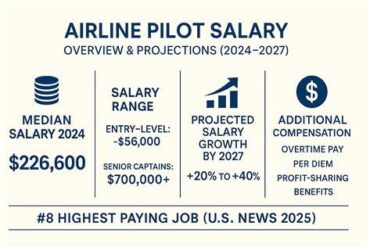
In 2026, the cockpit of a private jet remains one of the most intriguing workplaces in the aviation world. Salaries range from around $70,000 for entry-level first officers to well over $350,000 for senior captains, with elite positions climbing even higher.
For those willing to invest years of training, thousands of flight hours, and relentless dedication to aviation mastery, the private jet industry offers a career that combines adventure, precision, and financial success high above the clouds.